
Last updated November 2, 2026
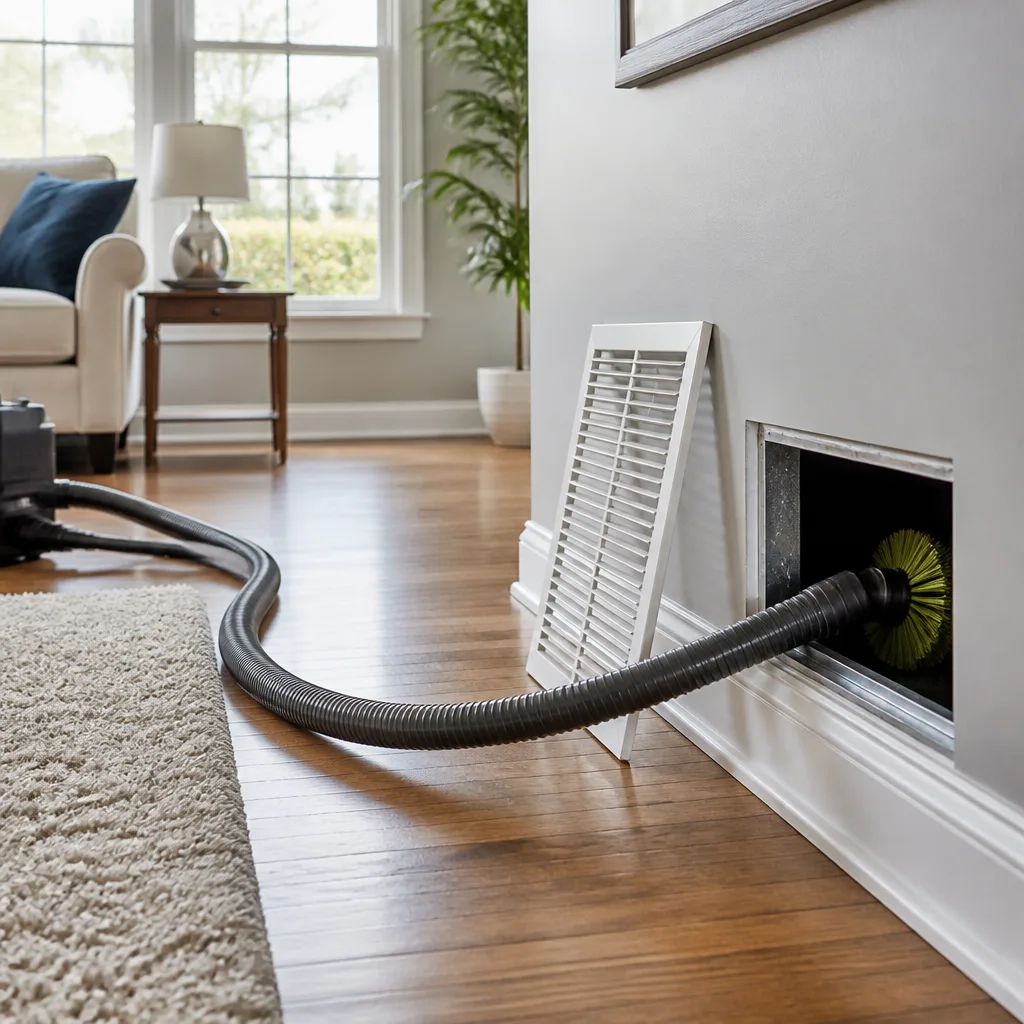 Whole-home duct cleaning
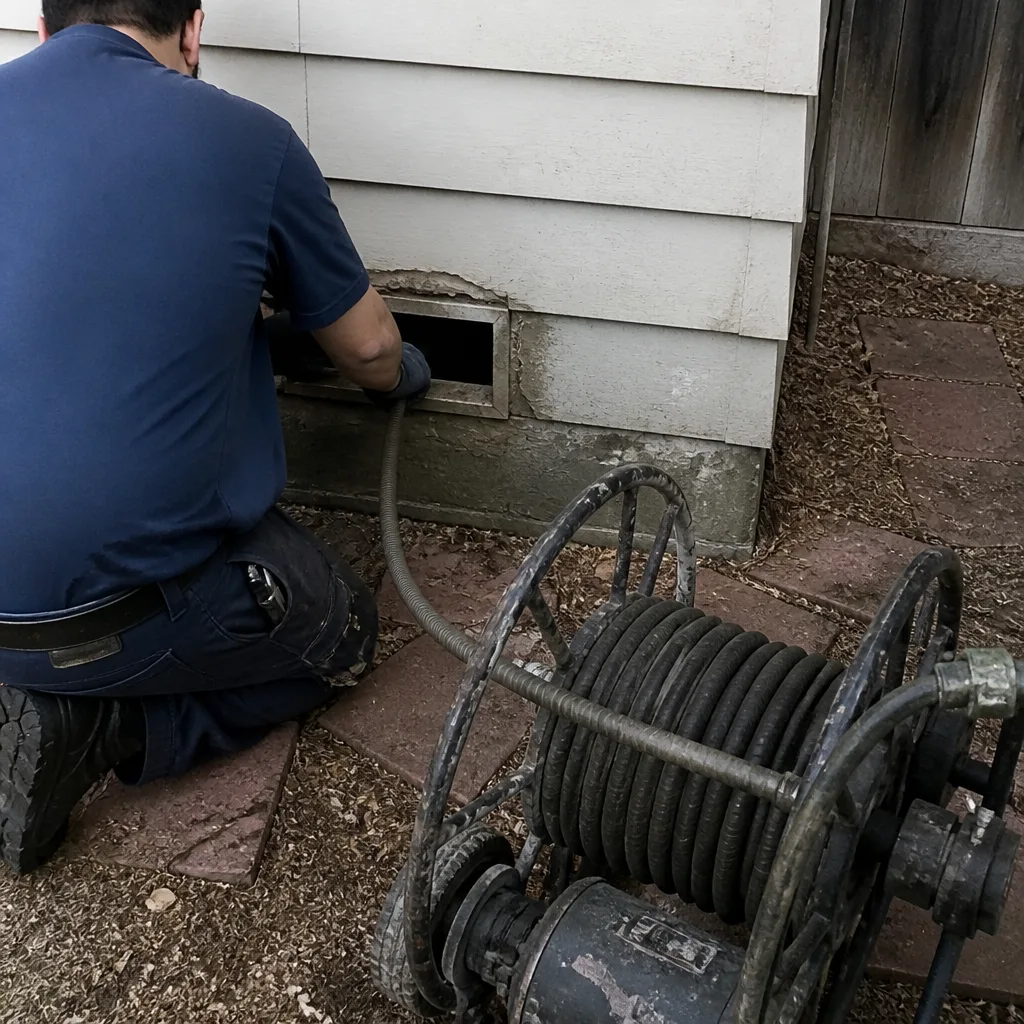
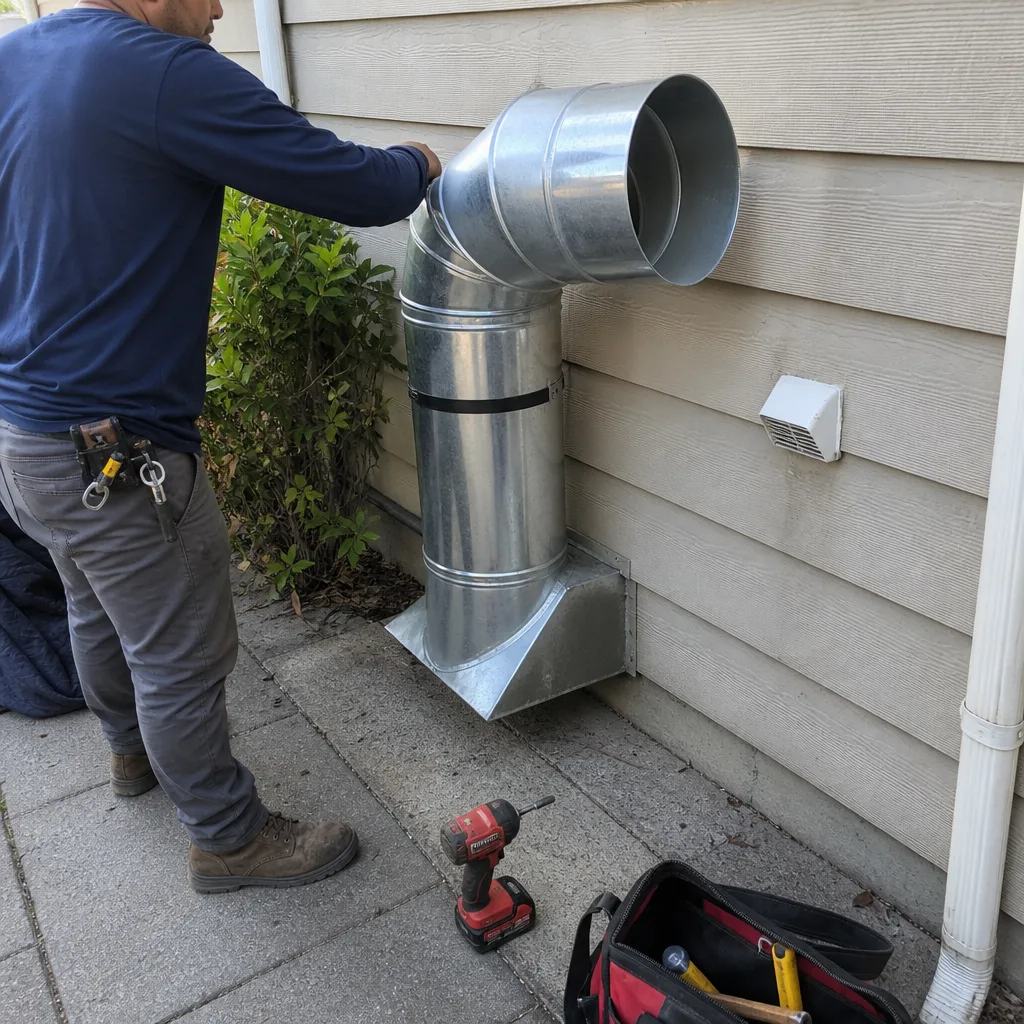
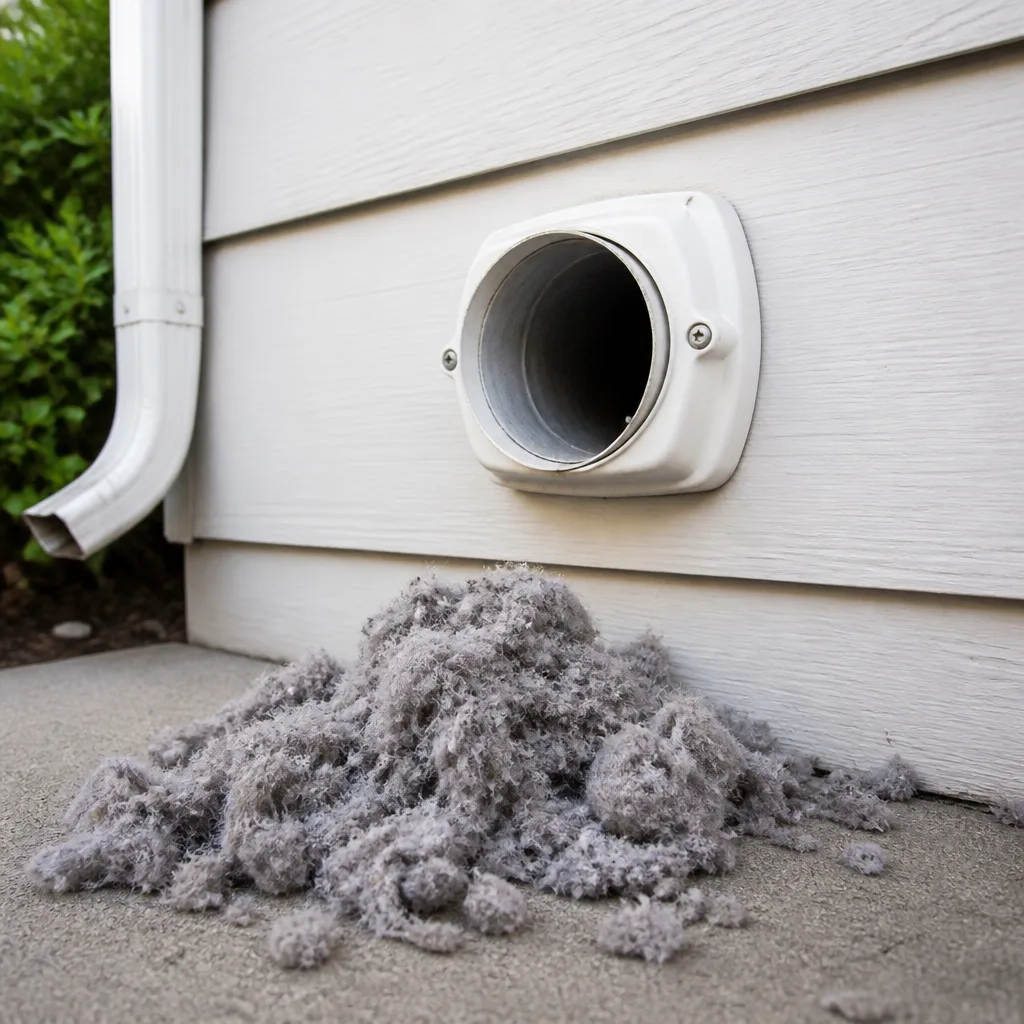 Dryer vent cleaning
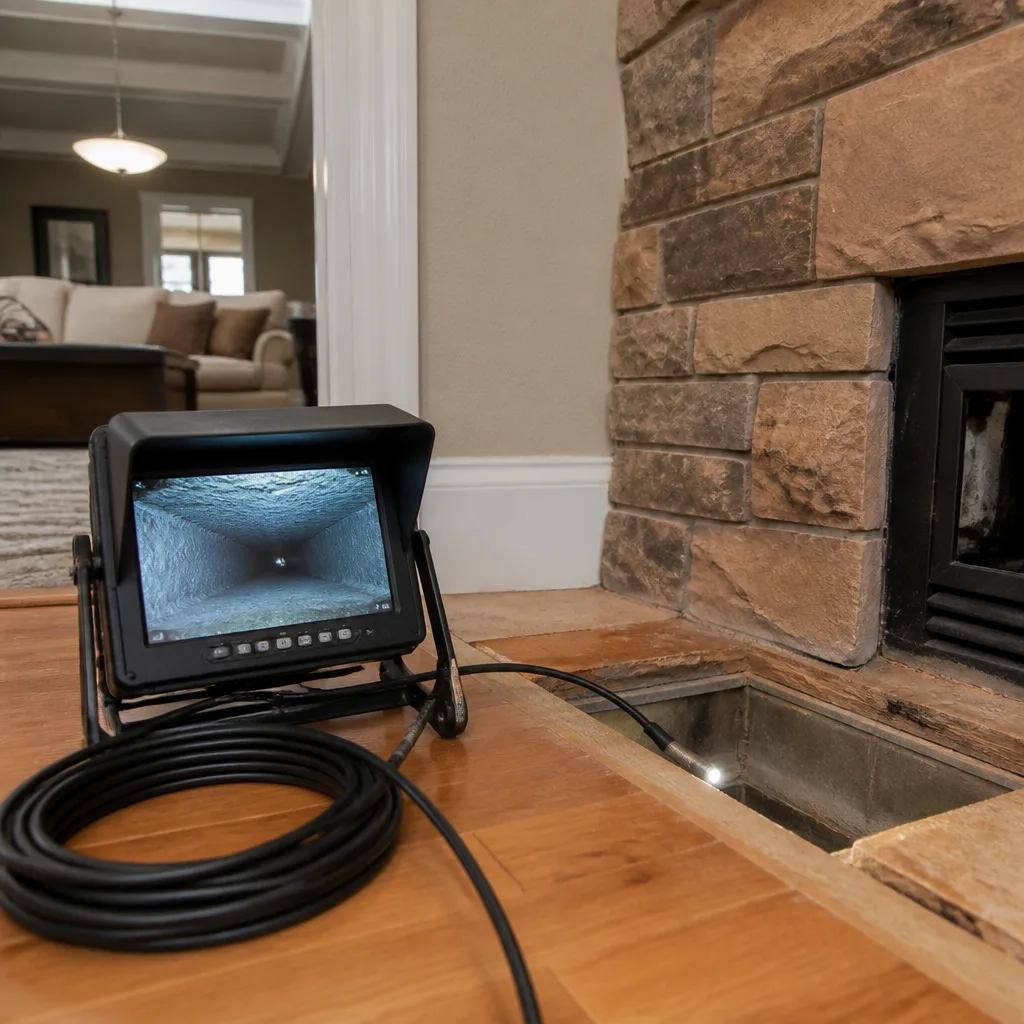 Camera inspection
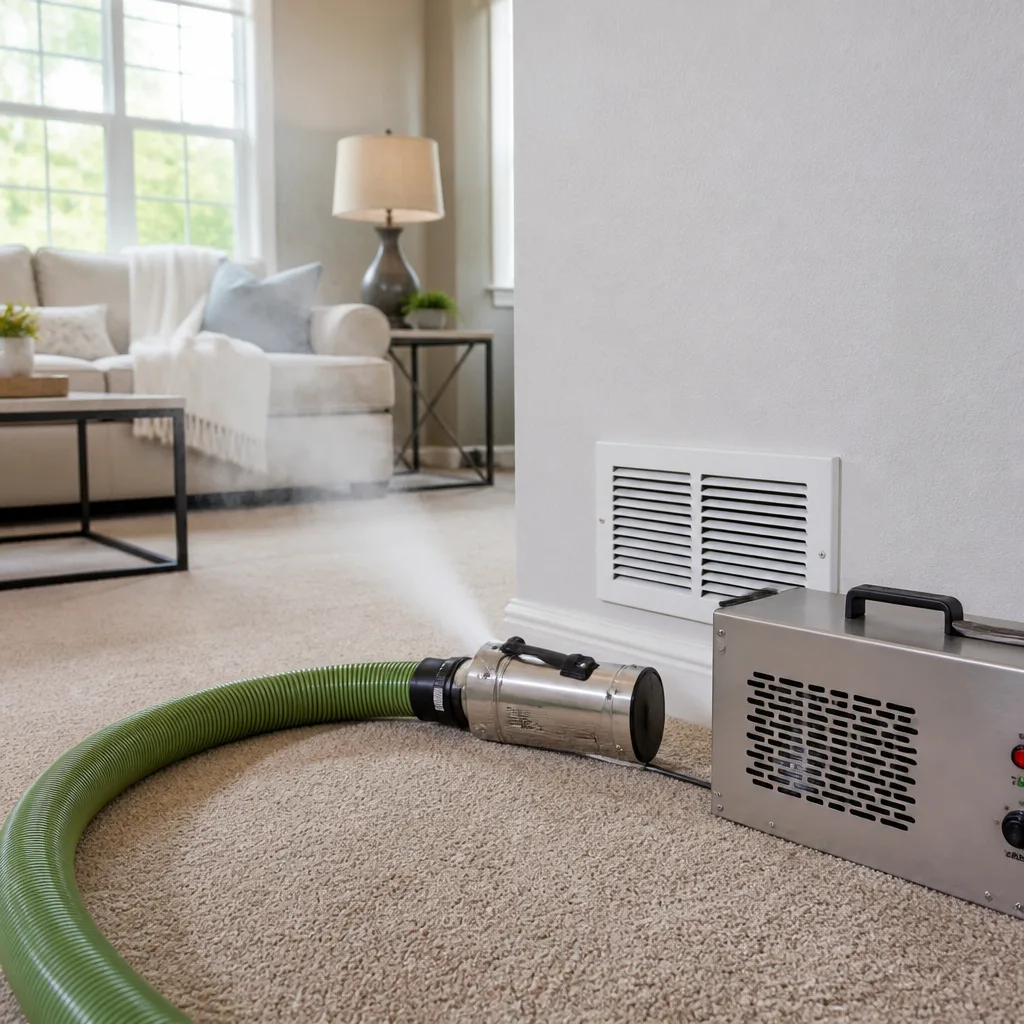 Sanitizing & deodorizing
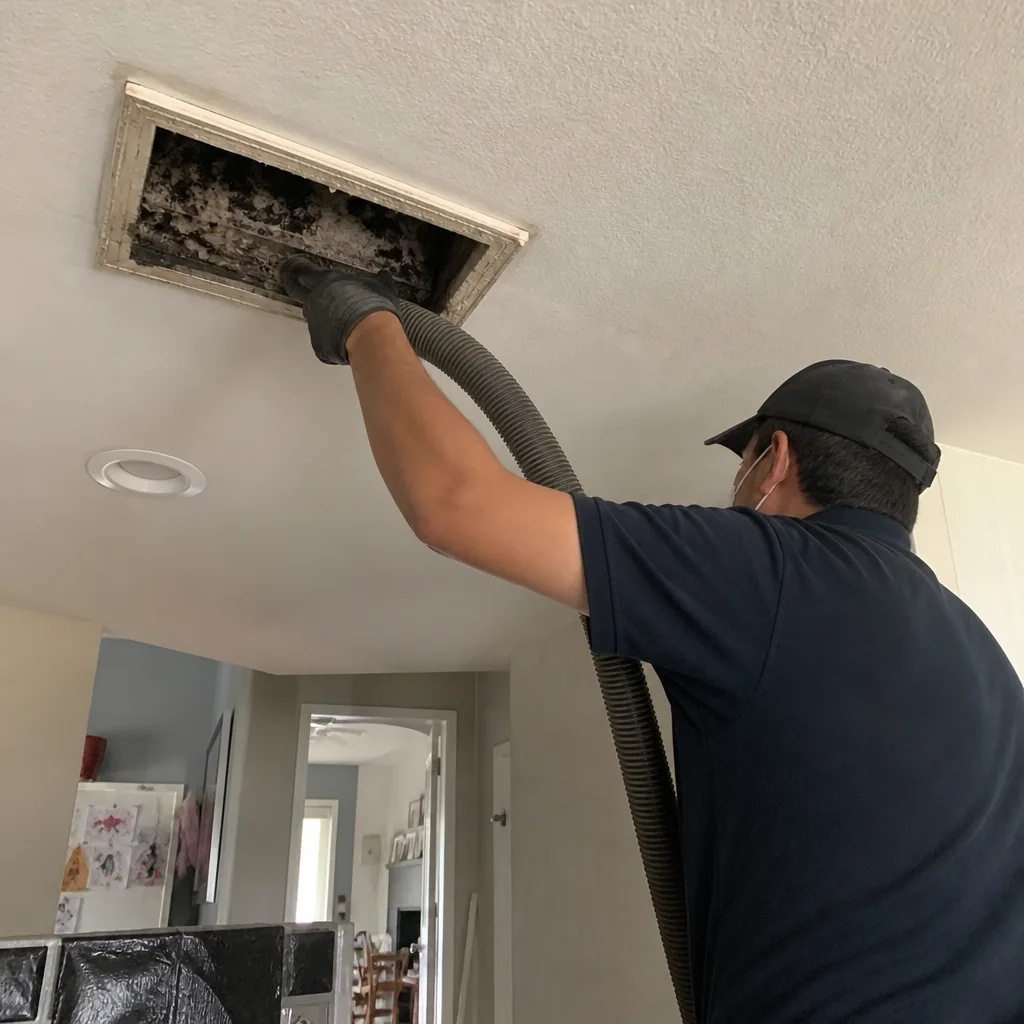
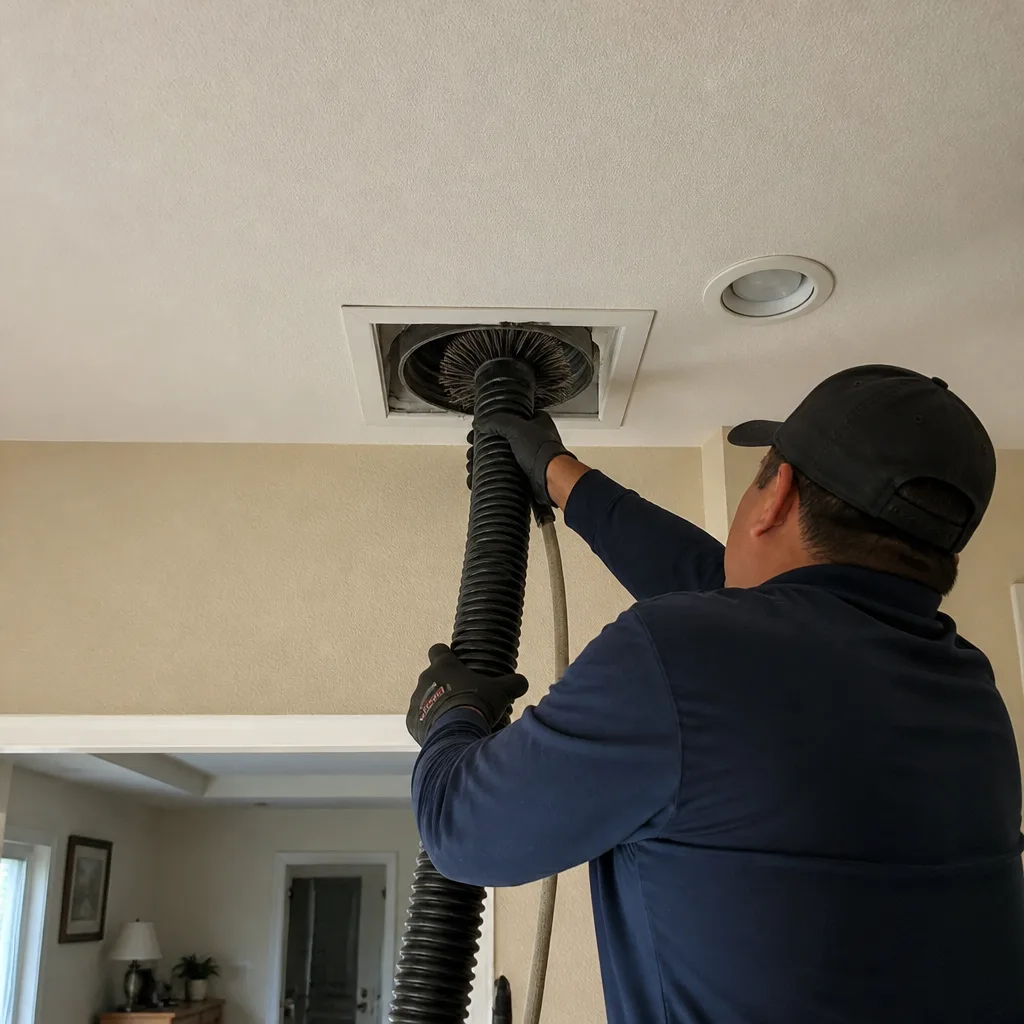
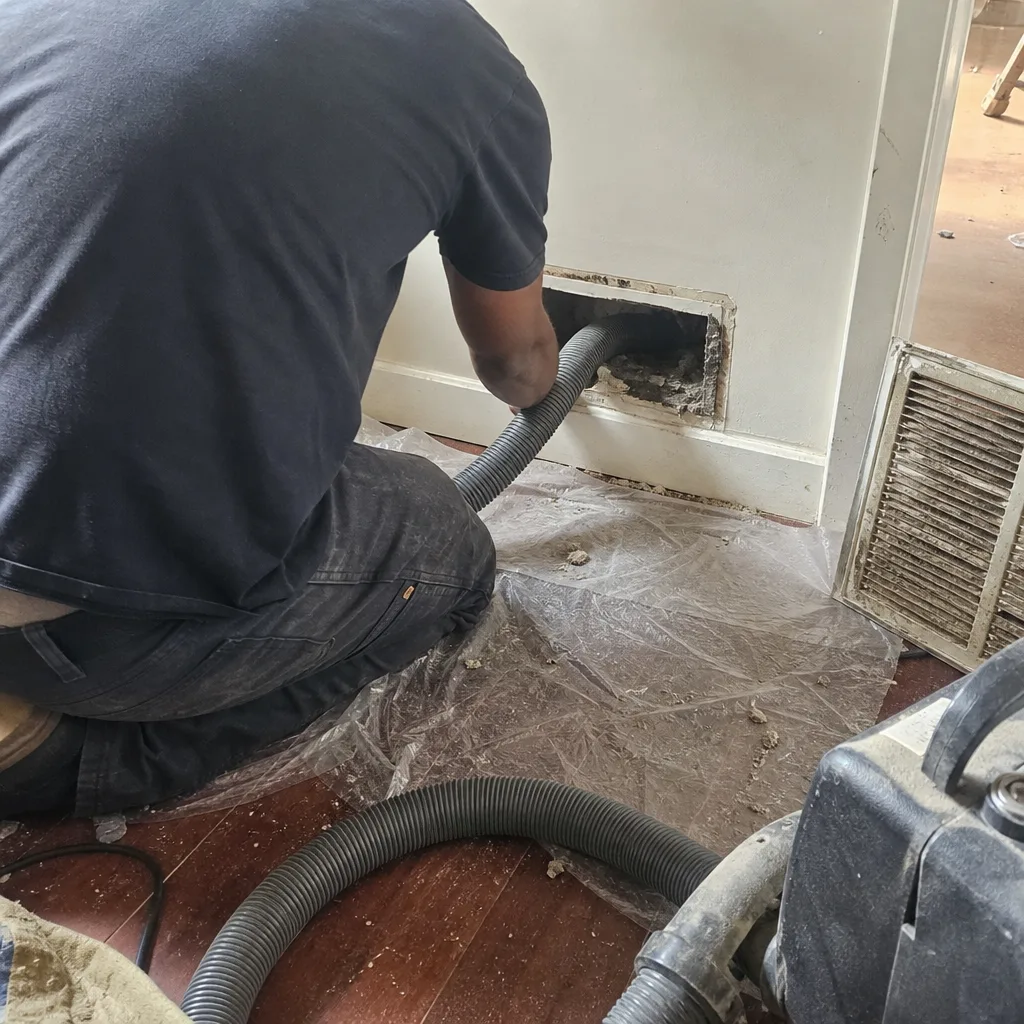
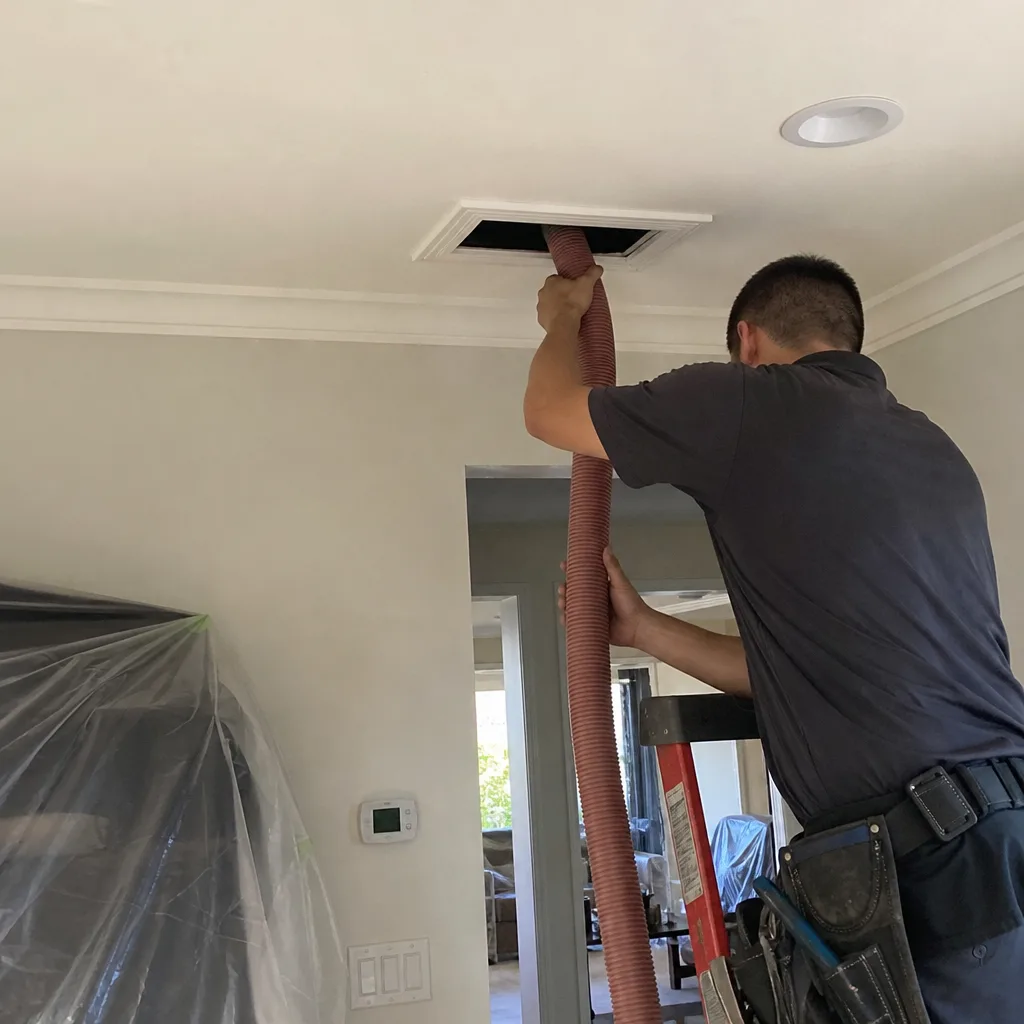
Whole-system duct and dryer vent check with before-and-after photos - you see exactly what came out of your vents
That "$99 whole-house special" is a bait ad - the real number appears once they are in your hallway, or the "clean" is a shop-vac at the register. We photograph the inside of your ducts before and after instead.
Air Duct Cleaning Troubleshooting: Common Problems and How to Fix Them
Here’s a number most Carmel Valley homeowners never hear: according to the U.S. Department of Energy, duct systems lose 20 to 30 percent of conditioned air to leaks, gaps, and disconnected joints before it ever reaches a single register. That means roughly a third of what you pay to heat or cool your home is escaping into your attic or crawl space. This guide exists because we field calls every week from people who paid for a duct cleaning, watched the truck pull away, and then noticed the same symptoms: dust at the registers within days, a musty smell that came back, one room still warmer than the others. The question they all ask is the same: was the cleaning incomplete, or was the problem never really in the ducts at all? We’ll walk you through how to tell the difference before you call anyone back.
Styles & brands we work with
- Whole-home duct cleaning
- Dryer vent cleaning
- Camera inspection
- Sanitizing & deodorizing
Quick Answer
If you had your air ducts cleaned and problems persist, the cause is almost always one of three things: the previous cleaning skipped critical components like the evaporator coil, return plenum, or main trunk line; the symptoms were never duct-related in the first place; or you have duct leaks or disconnected joints that no amount of cleaning can solve. Fixing it requires identifying which of those three you’re dealing with, then calling a company that offers Air Duct Cleaning that can clean and repair, not just vacuum and leave.
Table of Contents
- Symptom: Musty Smell Returns Within Days
- Symptom: Visible Dust at Registers Within a Week
- Symptom: Uneven Room Temperatures After Duct Cleaning
- Symptom: Allergies Didn’t Improve After Duct Cleaning
- How to Confirm a Previous Cleaning Was Incomplete
- The Three Components Budget Cleaners Skip
- When the Real Problem Is Duct Leakage, Not Dirt
- Questions to Ask Any Company Returning for a Re-Clean
- Common Mistakes to Avoid
- When to Call a Professional
- Frequently Asked Questions
- The Bottom Line
Symptom: Musty Smell Returns Within Days
A musty or damp odor that comes back a few days after a cleaning almost always points to a moisture source somewhere in the system, and the smell you notice is the result of biological growth feeding on that moisture. Duct cleaning removes the visible growth, but if the moisture problem remains, it comes back. In Carmel Valley, where coastal air keeps indoor humidity higher than inland San Diego neighborhoods, this pattern is especially common during late summer and early fall.
The usual culprits are:
- A clogged condensate drain line. The evaporator coil produces water as it cools your air. That water drains through a line that can clog with dust and biological film. When it backs up, water sits in the drain pan, and the musty smell starts.
- An oversized air conditioner. If your system is too large for your home, it cools the air too quickly and never runs long enough to remove humidity. The coil stays damp, and the dampness breeds odor.
- A return-side leak in a hot attic. When return ducts pull air from a hot, humid attic instead of from your living space, that moist air condenses inside the ductwork. This is a duct repair issue, not a cleaning issue.
The fix starts with finding the moisture, not re-cleaning. A technician who is serious about solving this will check the drain pan, measure static pressure, and inspect the coil. If they only quote you another cleaning, they have not found the problem. This is one of the situations where Air Duct Repair in Carmel Valley and cleaning need to happen together, because sealing the leak and clearing the growth are two parts of the same job.
Symptom: Visible Dust at Registers Within a Week
You cleaned the ducts, and within days there is a fresh dust pattern on the register face or a light dusting on the furniture below it. The first thing to understand is that visible dust at a register does not necessarily mean the ducts are dirty again. It often means new dust is entering the system from somewhere else, and the system is simply carrying it to that register.
The most common sources of dust re-entering a system after cleaning are:
- Return-side leaks in the attic or crawl space. The return side of your system is under negative pressure, which means it pulls air in from every gap and crack around it. If a return duct has an unsealed joint, it is pulling dusty attic air directly into the system and blowing it into your living spaces. A cleaning cannot fix this because the dust comes back as fast as it is removed.
- An unsealed filter slot. If the air filter does not fit tightly in its slot, air bypasses the filter entirely and carries unfiltered dust into the blower and coil. This is a simple mechanical fix that many companies never check.
- Dust from outside the system. If your home has old carpeting, pets, or single-pane windows, a significant amount of dust is generated inside the living space itself. The HVAC system simply circulates it. Duct cleaning does not stop a home from producing dust.
If your home is in an older Carmel Valley neighborhood with original ductwork from the 1990s or earlier, return-side gaps are common. We regularly find disconnected return trunks in attic spaces, pulling fiberglass insulation particles straight into the living areas. A phone camera and a flashlight can confirm whether the registers are dusting because the ducts are dirty again or because the system is pulling from somewhere it should not.
Symptom: Uneven Room Temperatures After Duct Cleaning
If one bedroom is still five degrees warmer than the rest of the house after a cleaning, the cause is rarely dirt. Dirt accumulates gradually and reduces airflow slightly over time. A dramatic temperature imbalance is almost always a distribution problem: a crushed flex duct, a disconnected joint, a closed damper, or a design issue in how the system was originally zoned.
Here is how a technician should approach an uneven-temperature complaint:
- Measure supply register airflow in each room with an anemometer. This tells you whether the warm room is receiving significantly less air than the others, or roughly the same amount.
- Inspect the duct run to that room. In Carmel Valley homes with attic systems, flex duct can be crushed by storage boxes, pinched by framing, or disconnected at the takeoff collar. We have found ducts that were never reconnected after a roof repair.
- Check the return path. If the room’s door is closed and there’s no return in that room, the supply air has nowhere to go. Air can only enter a room as fast as the existing air can leave it. A door undercut or a transfer grille may be the entire fix.
- Look at the zone damper, if one exists. Multi-zone systems in larger Carmel Valley homes use motorized dampers that can stick or fail, sending all conditioned air to one part of the house.
None of these fixes involve cleaning. This is why we say that cleaning a leaking or collapsed duct system is like mopping a wet floor while the faucet is still running. The water keeps coming, the dust keeps coming, and the temperature imbalance stays exactly where it was.
Symptom: Allergies Didn’t Improve After Duct Cleaning
If your allergies did not improve after a duct cleaning, there are two honest possibilities. Either the ducts were never the source of the allergens, or the cleaning did not reach the components where the biological material actually lives.
Let’s start with the first possibility. The air inside your home contains particles from your bedding, your pets, your candles, your cooking, and the people living there. Duct cleaning removes accumulated debris from the duct system. It does not change what is happening in the living space itself. If pollen enters the home through open windows during Carmel Valley’s spring bloom cycle, duct cleaning will not stop that. The same goes for dust mites in mattresses and dander embedded in carpet fibers.
The second possibility is more common, and it’s covered in detail in our Air Duct Cleaning Warning Signs: A Carmel Valley Homeowner’s Reference Guide. The majority of biological growth in an HVAC system is not inside the round metal pipes you picture when you think of “ducts.” It lives on the evaporator coil, inside the coil cabinet, and on the surfaces of the return plenum. These surfaces are cool, damp, and in contact with all the air that moves through your system. If a cleaning company only ran a brush through the supply and return registers and called it done, they skipped the exact surfaces that cause allergic responses.
This is the core point of this guide: after a professional cleaning, if symptoms persist, the most likely explanation is that the cleaning did not actually reach the coil, the plenum, or the return trunk. A second cleaning that ignores those same components will produce the same result.
How to Confirm a Previous Cleaning Was Incomplete
You do not need a master’s degree in HVAC to confirm that a cleaning was done poorly. You need a smartphone, a flashlight, and about ten minutes. Here is a step-by-step inspection you can do right now.
- Remove a supply register in a room you use daily. Most registers lift out with two screws or just pull free. Use your phone’s camera with the flash on. Point it into the duct boot and take a photo.
- Look at the duct walls. If the previous cleaning was thorough, the walls of the duct should look like bare metal or clean flex duct. If you see a visible dust coating, debris, or what looks like a lint film on the walls, the cleaning did not reach that section.
- Check the return plenum. Find your main return grille, usually on a wall near the center of the home or in a hallway ceiling. Remove the grille and photograph the inside of the plenum box. This is a large open chamber where air collects before entering the filter and blower. Budget cleaners frequently skip this entirely because it requires removing more than just the grille.
- Inspect the filter. If the filter is clogged with visible debris days after a cleaning, that debris came from somewhere in the system. A clean system should not immediately load a fresh filter.
- Check for vacuum marks or dislodged debris. When a high-quality professional cleaning is done with equipment like a Rotobrush or Nikro system, the agitation is visible. Loose debris is pulled out, not left behind. If you see clumps of lint or insulation sitting in the duct, the job was not completed.
Document everything you find. Photographs with timestamps are the single best tool you have if you need to call a company back and hold them accountable for incomplete work. We have had Carmel Valley homeowners send us photos of duct interiors showing a clean first five feet, then visible buildup deeper in. That is the signature of a register-level vacuum job, not a full-system cleaning.
The Three Components Budget Cleaners Skip
There are three parts of an HVAC system that determine whether a duct cleaning actually solves anything. Budget companies skip them because accessing each one takes time and equipment. Here is what each one is, why it matters, and what happens when it is ignored.
1. The Evaporator Coil
The evaporator coil sits above your furnace or inside your air handler. It is the cold surface that cools air as it passes through the system. Because it is cold, it condenses moisture from the air, and that moisture traps dust, pollen, and biological material. Over years of operation, the coil develops a layer of matted debris that restricts airflow and becomes a colony of exactly the material that triggers respiratory irritation.
Accessing the coil means opening the coil cabinet, inspecting it, and cleaning it with appropriate coil-cleaning agents that break down the biological film. Air duct cleaning companies that do not open the coil cabinet are not doing the job. What they miss is usually the single largest concentration of contaminants in the entire system.
2. The Return Plenum
The return plenum is the large box that sits between your main return grille and the air handler. All of your home’s air passes through it. If the plenum has a gap, a crack, or an unsealed joint, it pulls attic or wall-cavity air into the system. If the plenum interior is lined with fiberglass insulation that has degraded, it sheds fibers into the airstream.
Cleaning the plenum properly involves removing the grille, accessing the box, agitating the interior surfaces, and extracting the loosened debris. It also involves checking for gaps that need sealing. In our experience with Carmel Valley homes built in the 1980s and 1990s, return plenum leaks are one of the most common causes of post-cleaning dust complaints.
3. The Main Trunk Line
The main trunk line is the largest duct in your system, typically running the length of the home or through the attic. Branch ducts connect to it and feed individual rooms. The trunk line carries the highest air volume, which means it also deposits the most debris in corners and along seams. Cleaning the trunk line requires professional-grade agitation tools, like the Rotobrush or Nikro systems we run, to reach the full length of the trunk and pull material back to the collection point. A shop-vac attached to a register opening will not come close.
When a previous cleaning skipped the trunk line, the result is predictable: within days or weeks, the air moving through the system re-suspends the remaining debris and blows it into the living spaces. The homeowner assumes the cleaning “didn’t work.” What actually happened is that most of the system was never touched.
When the Real Problem Is Duct Leakage, Not Dirt
Some homes do not need another cleaning at all. They need someone to seal the duct system. In the attic or crawl space, where most ductwork lives, the environment is dirty. Attic air is full of dust, insulation fibers, and in some cases rodent droppings. Crawl space air is damp and carries soil particulates. When your system has leaks on the return side, it pulls that contaminated air into the system and distributes it through every register in the home. Cleaning the ducts without sealing the leaks is exactly like mopping a wet floor while the faucet is still running.
Signs that point to duct leakage rather than dirty ducts include:
- Dust at the registers returns within days even after a verified thorough cleaning.
- Rooms are consistently hot or cold no matter how long the system runs.
- You can see separated joints or collapsed sections in exposed ductwork in the attic or crawl space.
- Energy bills are higher than expected for a home of your size, which points to conditioned air leaking out and unconditioned air being pulled in.
- You notice a dusty, musty, or “attic smell” when the system first turns on.
Fixing these issues means either sealing accessible joints with mastic and mesh tape, or replacing sections of flex duct that have been crushed or torn. This is repair work. Many air duct cleaning companies in the Carmel Valley area do not perform repairs at all, as we explain in Choosing the Right Air Duct Cleaning Brand: A Buyer’s Guide for Carmel Valley. They clean, they hand you an invoice, and they leave. When a homeowner discovers the leaks after the fact, they are told to call an HVAC contractor, which means scheduling another company, paying another service fee, and waiting for another truck. The better option is a company that can do both on the same visit. That is the “clean it, repair it, done” model this guide keeps coming back to.
If you suspect leaks, start with a visual inspection of any exposed ductwork in your attic or crawl space. Look for tape that has peeled, joints that have separated, or flex duct that is pinched or flattened. If you see any of these, the cleaning issue is secondary. The system was never going to perform correctly until the leaks are addressed. Our Maple Air Duct home explains how we approach both services under one scope.
Questions to Ask Any Company Returning for a Re-Clean
If you believe your previous duct cleaning was incomplete and you are calling a company back for a second visit, be ready to ask the right questions. Any company that cannot answer these directly is likely to repeat the same incomplete scope. Here is the exact list we recommend.
- “Will you open the coil cabinet and clean the evaporator coil, or is this a duct-only cleaning?” If they hesitate or say the coil is not included, you have found the problem. Walk away.
- “What exactly did your last cleaning include? Can you show me the scope?” A legitimate company will have a written scope of work. Vague answers mean there was no defined scope.
- “Will you inspect the return plenum and main trunk line, and can I see the after-photos?” Professional companies document their work. We provide before-and-after photos of the interior of the system. Ask for the same.
- “Do you check for duct leaks and disconnected joints as part of the visit?” If the answer is no, they are not looking for the root cause. They are cleaning the surface and leaving.
- “What equipment are you using for agitation and extraction?” A company that shows up with a consumer shop vac cannot reach the trunk line or the coil. Professional systems like Rotobrush and Nikro are designed for this exact work.
- “Is there a flat price for the work, agreed before you start?” If they cannot give you a firm price for the scope, you are looking at a bait-and-switch operation. Get the scope and the price in writing before the truck arrives.
These questions apply whether you are calling the original company back or hiring someone new in Carmel Valley. The goal is to confirm that this time, the job will address the actual source of the problem, not just repeat the same surface-level pass.
Common Mistakes to Avoid
- Assuming any dust at the register means the cleaning failed. Dust can come from the living space itself, from a leaky return, or from a clogged filter slot. Diagnose before you re-clean.
- Not photographing the duct interior before and after a cleaning. Without photos, you have no way to verify what was done. Insist on visual proof.
- Accepting a cleaning that only covered the registers and the first few feet of duct. A full cleaning includes the coil, the plenum, the trunk line, and every branch duct. Ask for the scope in writing.
- Paying for a second cleaning when the real issue is duct leakage. Sealing gaps is a repair, not a cleaning. If your ducts are leaking, re-cleaning them will not change anything.
- Choosing a company based on price alone. Budget cleaners skip the coil and trunk line because those steps take time and equipment. You are paying for a partial service and will pay again to have it done right.
- Ignoring the filter. A new cleaning followed by a clogged filter means the system is still generating debris. Check the filter slot for bypass leaks and confirm the filter is properly sized.
When to Call a Professional
Call a professional when you have confirmed or strongly suspect any of the following: a return-side leak pulling attic or crawl space air into the system, visible buildup in the trunk line or plenum that a previous cleaning missed, a musty odor pointing to a biological source on the coil or in the drain pan, or a persistent room-to-room temperature imbalance that cleaning did not resolve. These are not DIY fixes, and attempting them without the right equipment risks damaging the ductwork or making the leak worse. If you are in Carmel Valley and want an honest assessment of what the previous company actually did, Maple Air Duct offers free estimates. Call (855) 338-0352 and we will inspect the system, document what we find, and give you a flat price for the work.
Frequently Asked Questions
The cost depends on what the actual problem is. Sealing a few duct joints typically runs in the low hundreds, while a full re-clean that includes the coil, plenum, and trunk line is priced as a whole-system job, not per vent. Some companies quote per-vent prices that balloon once they arrive; we give one flat price for the entire system before any work begins. Call (855) 338-0352 for a free estimate in Carmel Valley.
Dust returning within days of a cleaning usually means the system is pulling in new dust through a return-side leak, the filter slot is not sealed, or the previous cleaning did not actually reach the trunk line and plenum. Start by photographing the inside of a few ducts with your phone. If there is visible buildup, the previous cleaning was incomplete.
If the cleaning skipped the evaporator coil and the return plenum, the biological material that triggers allergy symptoms is still sitting on those surfaces, and the system is blowing air across it every time it runs. A proper cleaning must include the coil and plenum or it will not improve indoor air quality.
Remove a supply register, shine a flashlight into the duct, and take a photo. If the duct walls show a visible dust film, debris, or lint clumps, the cleaning did not reach that section. Do the same at the main return grille to check the plenum. Before-and-after photos from any professional company should confirm the work, not just claim it.
That depends on the condition of the ductwork. If flex ducts have been crushed, torn, or become saturated with moisture, replacement may be the more honest recommendation. If the ductwork is structurally sound but full of debris, a proper cleaning with professional-grade equipment is the right call. A good inspector will tell you which one you need without upselling.
If you have separated joints, leaking return plenums, or crushed flex duct, then yes. Cleaning removes the debris that is already in the system; repair stops new debris from entering and stops conditioned air from escaping. Homes in Carmel Valley with original ductwork from the 1980s or 1990s commonly need both services on the same visit.
The Bottom Line
When air duct problems persist after a cleaning, the cause is almost never a mystery. Either the cleaning skipped the coil, the plenum, or the trunk line; or the system was leaking and pulling in new contaminants all along. The solution is to stop guessing and start looking. Photograph the duct interiors. Confirm whether the previous company reached the full system. Ask the questions in this guide before you pay for another visit. And if the fix requires Air Duct Cleaning in Carmel Valley, Dryer Vent Cleaning in Carmel Valley, or Air Duct Repair in Carmel Valley, choose a company that can handle all three with professional-grade equipment like Rotobrush and Nikro systems, not a repurposed shop vac. Clean it. Repair it. Done.
Written by the team at Maple Air Duct, serving Carmel Valley since 2017. For more guides & resources, visit our blog.
See the difference
 Before
 After
 Before
 After
 Before
 After