
Last updated November 2, 2026
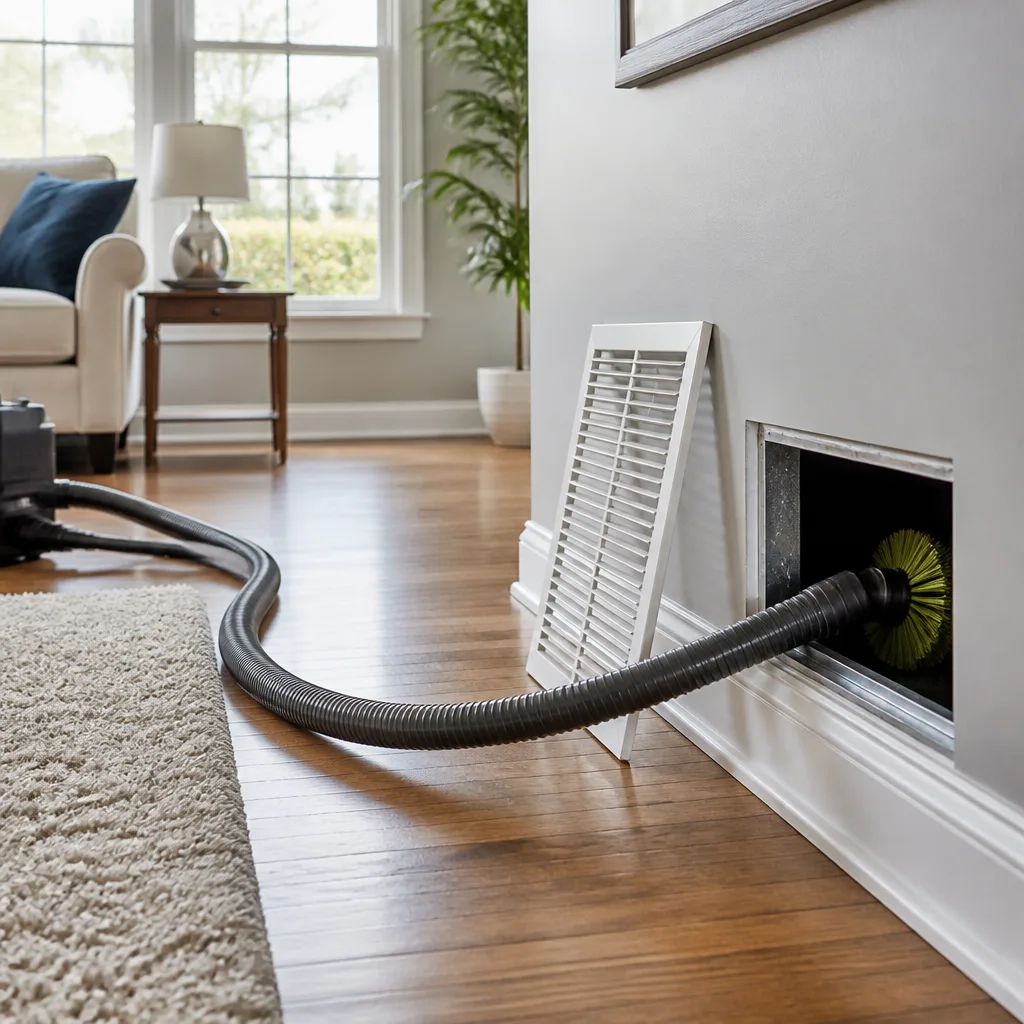 Whole-home duct cleaning
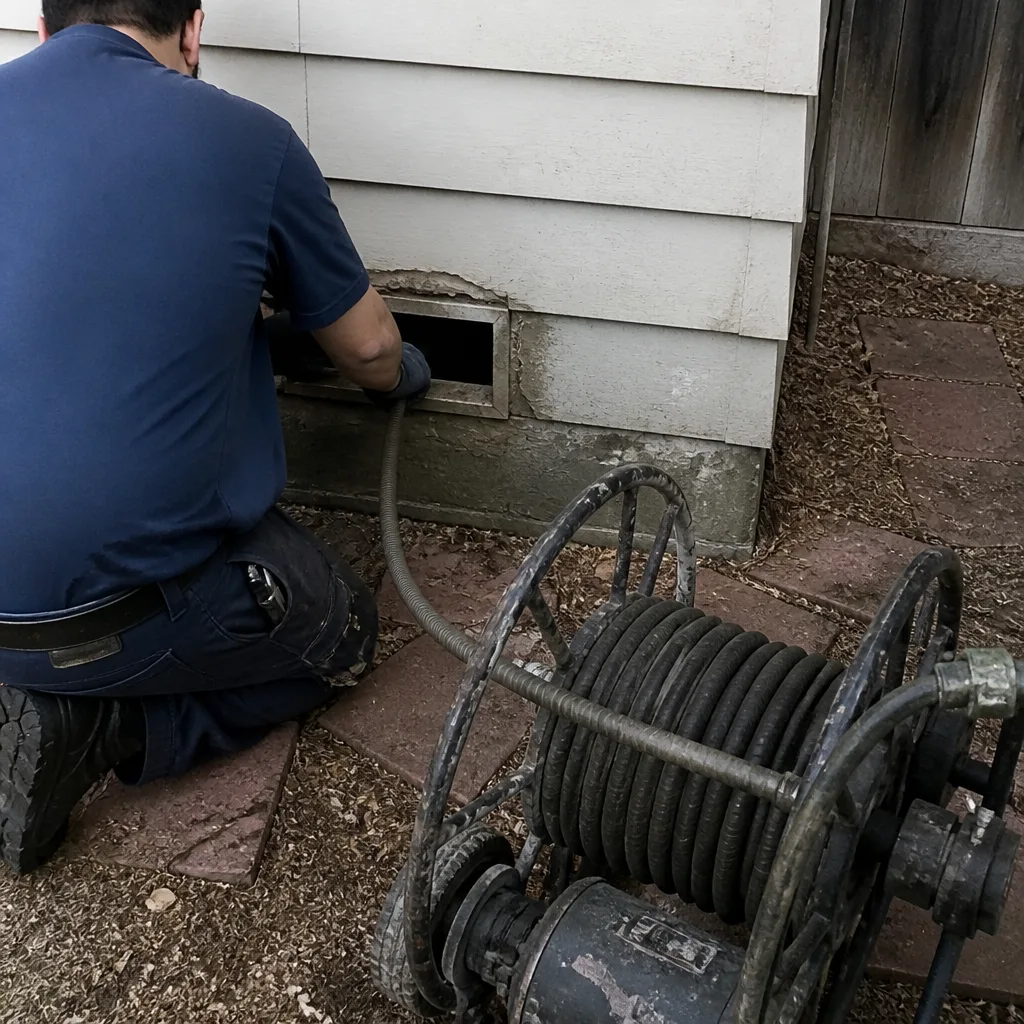
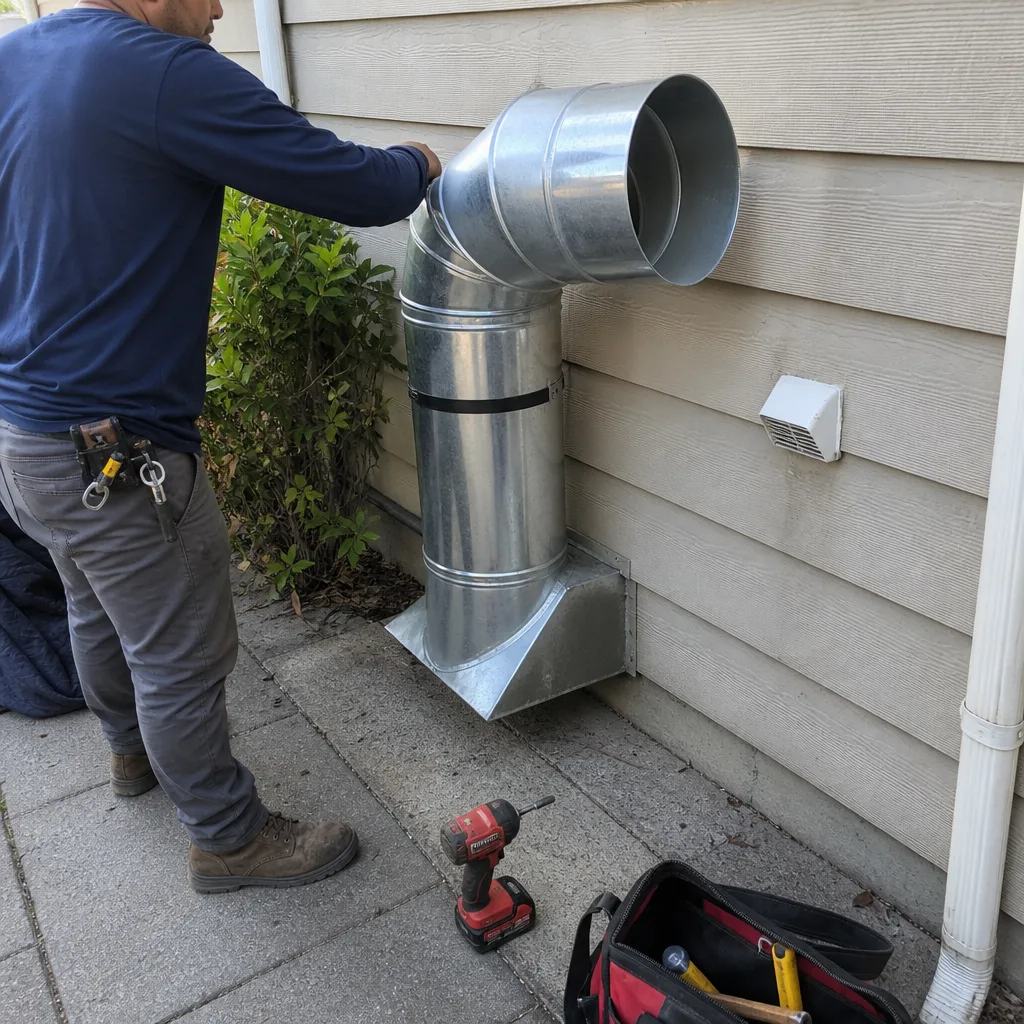
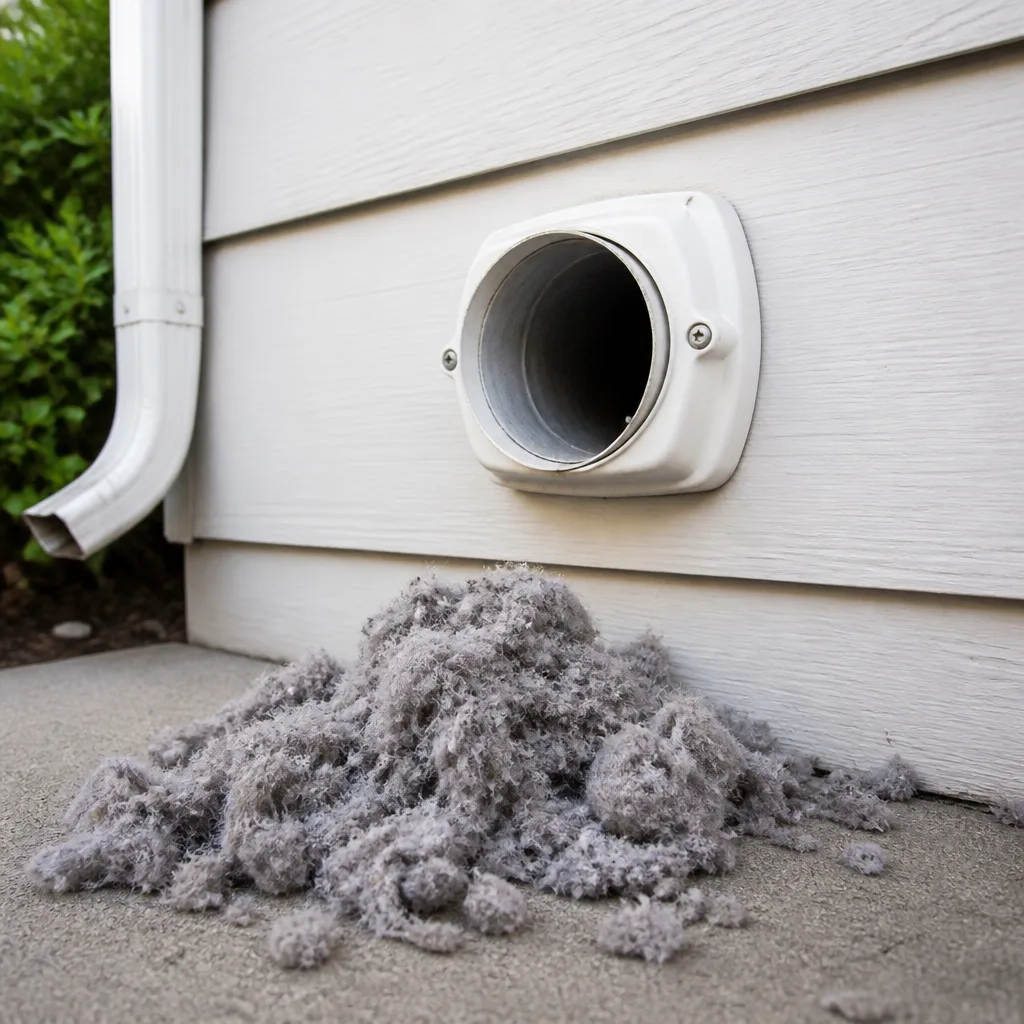 Dryer vent cleaning
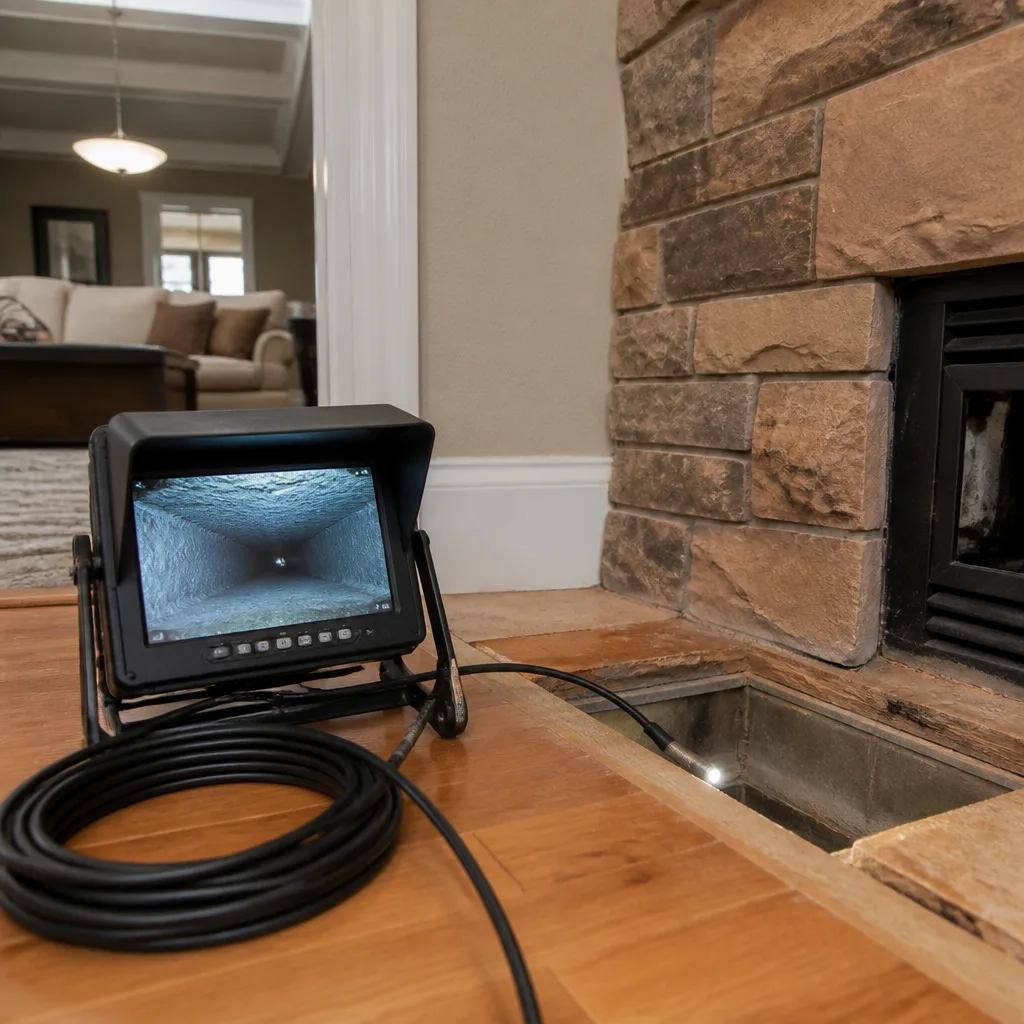 Camera inspection
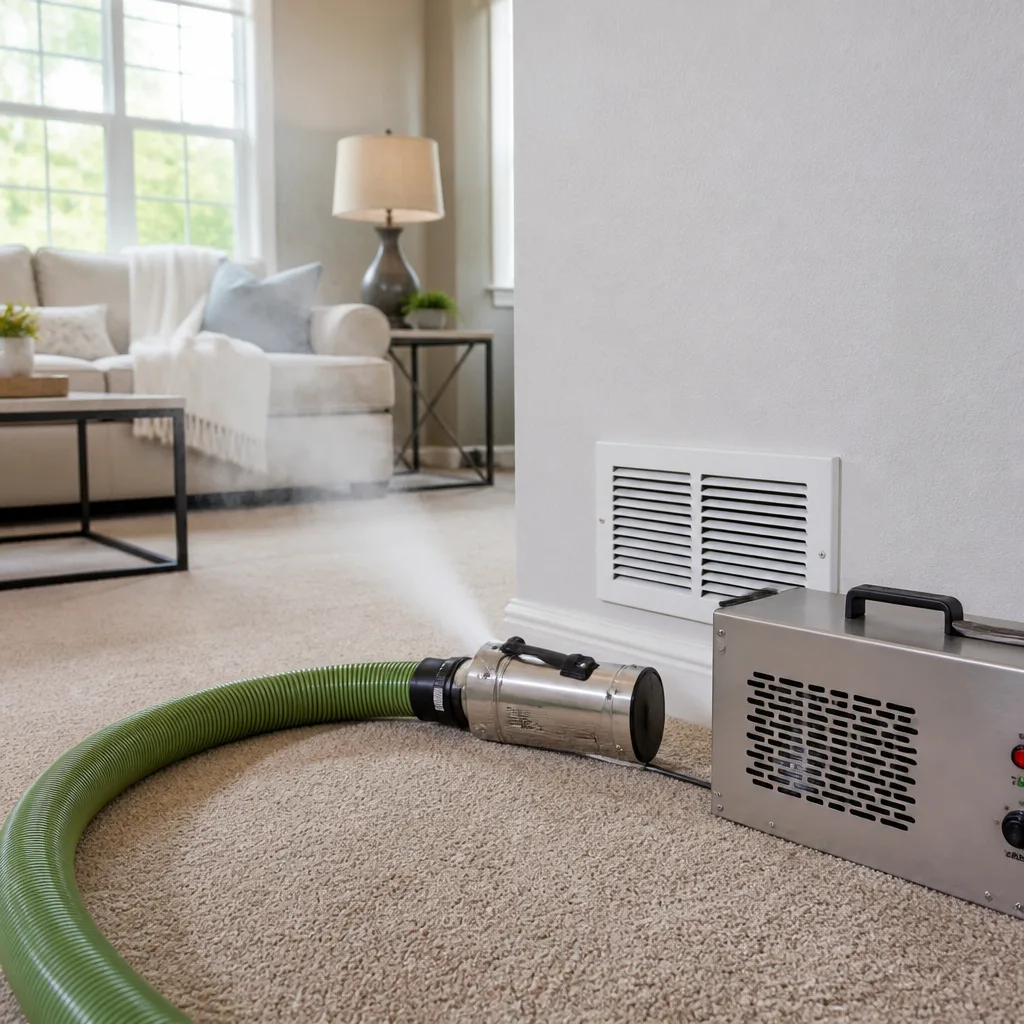 Sanitizing & deodorizing
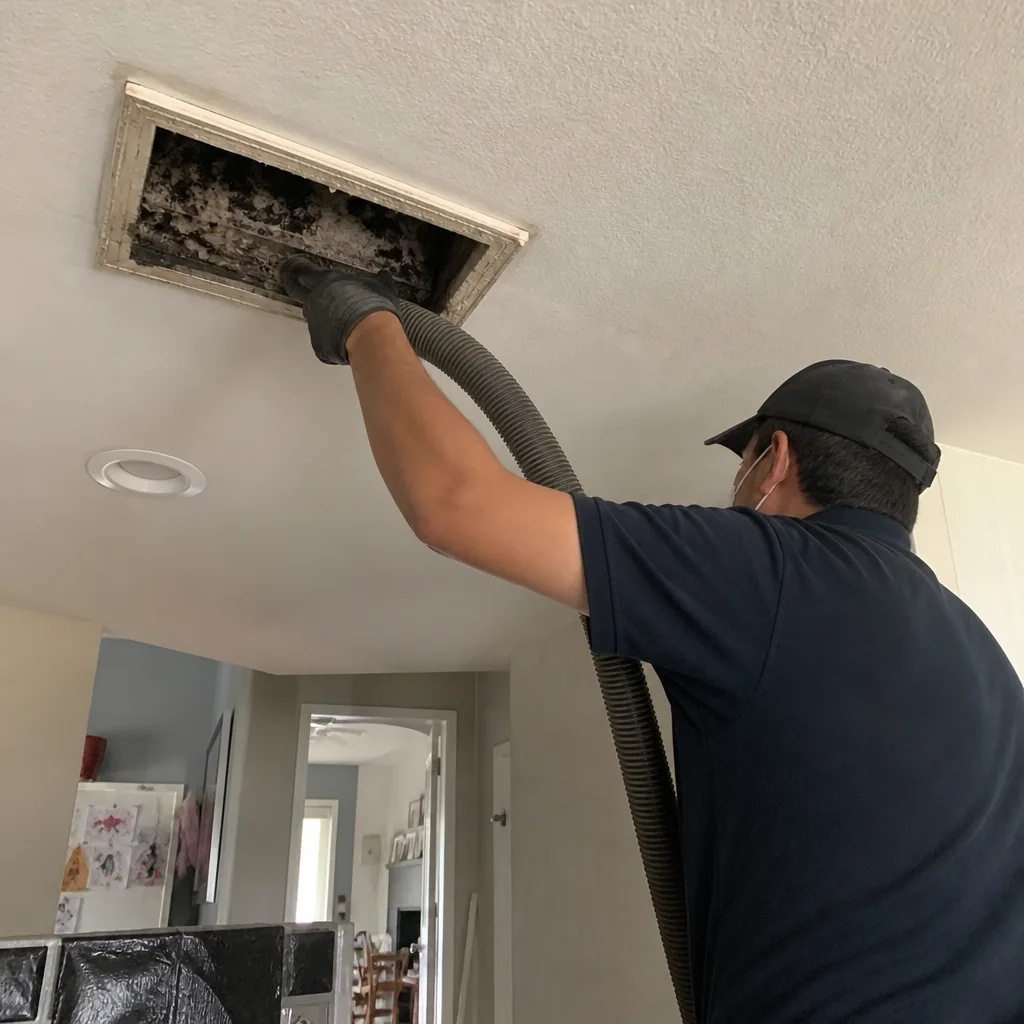
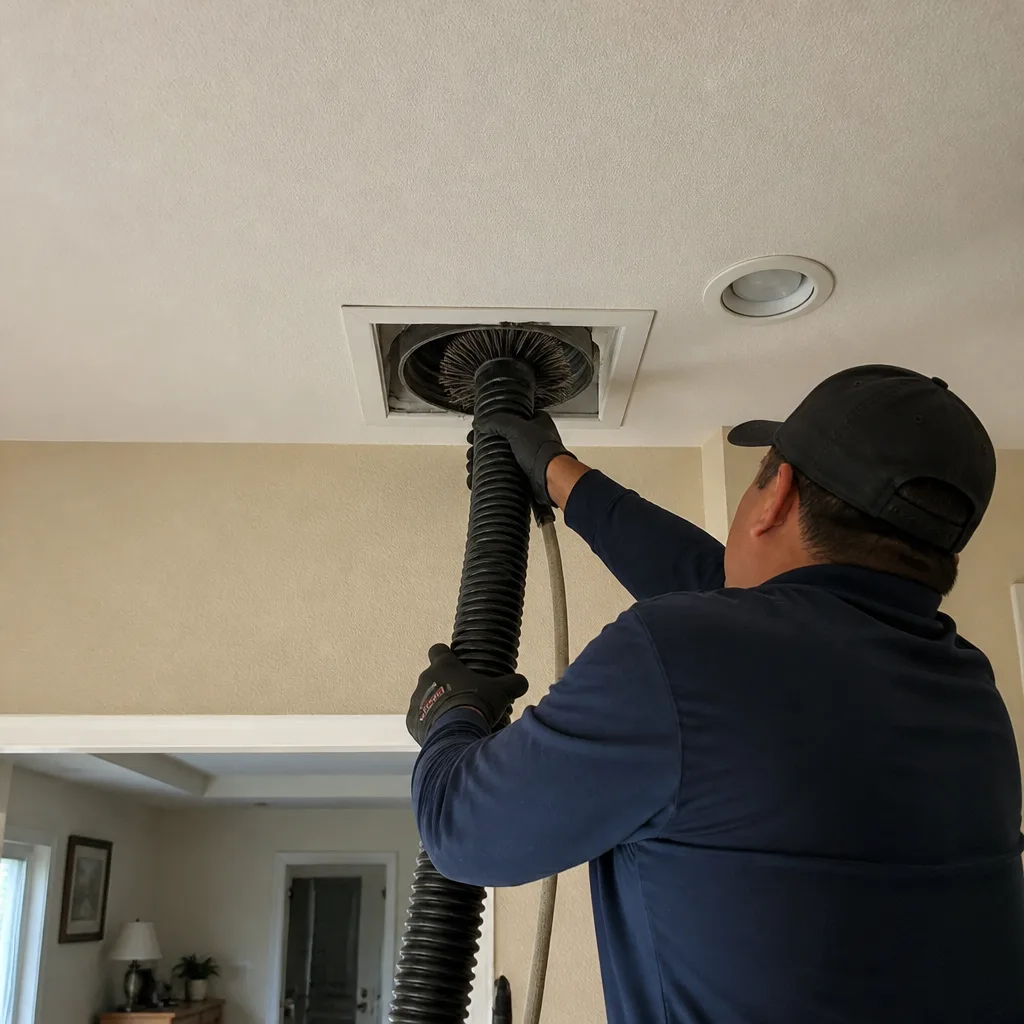
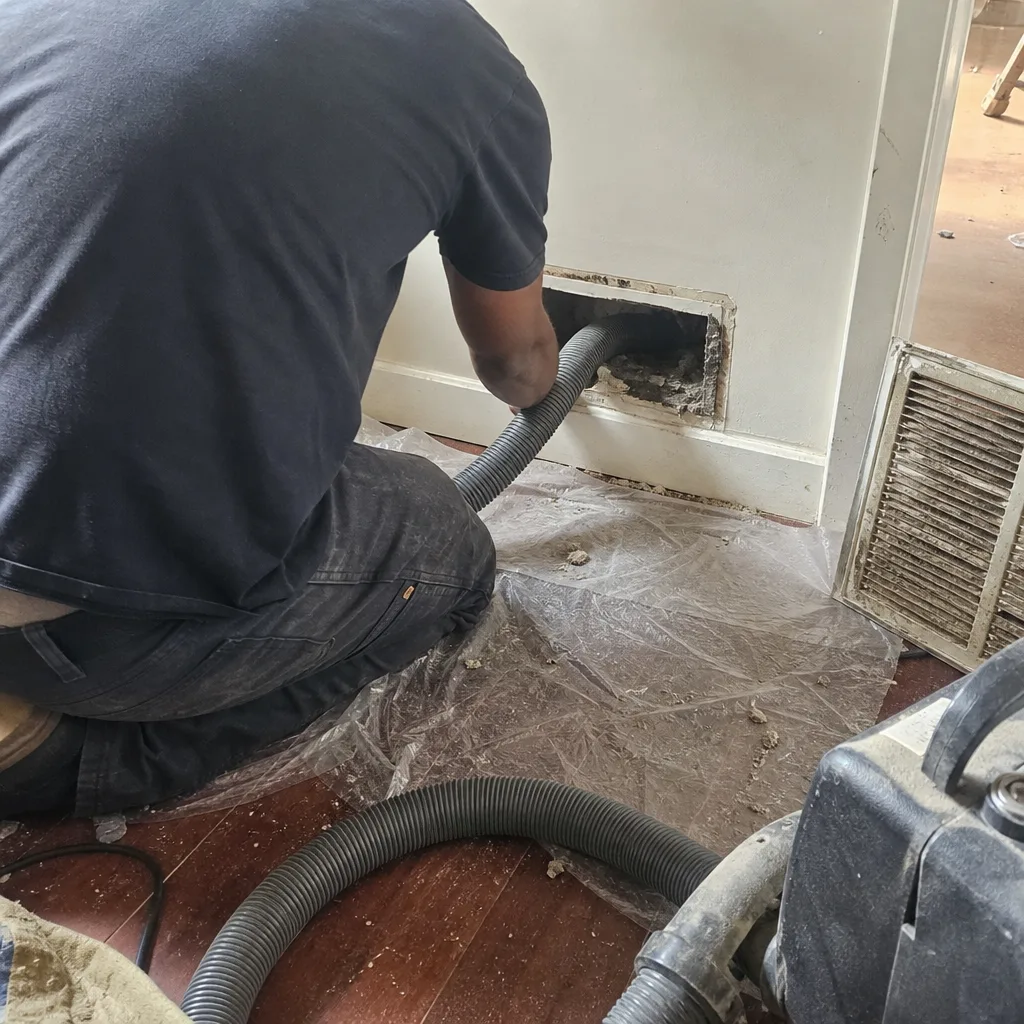
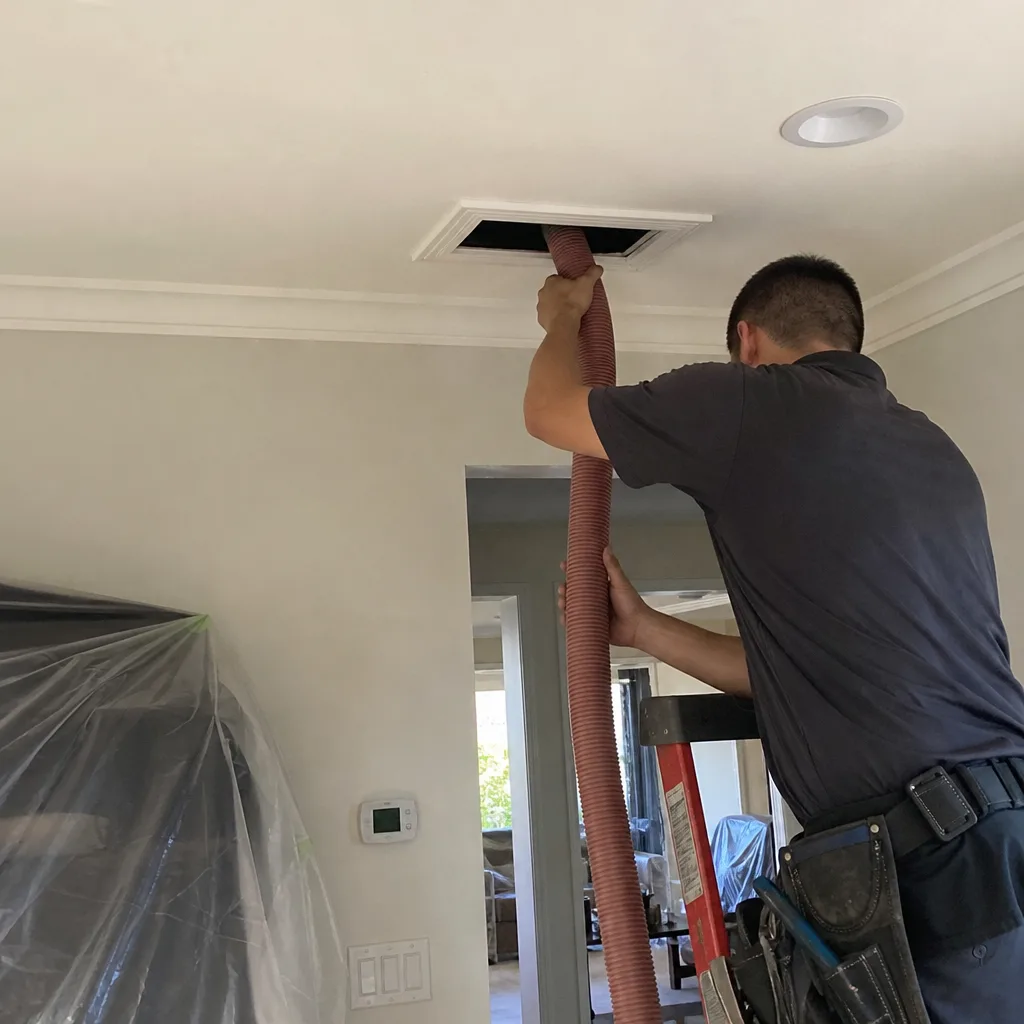
Whole-system duct and dryer vent check with before-and-after photos - you see exactly what came out of your vents
That "$99 whole-house special" is a bait ad - the real number appears once they are in your hallway, or the "clean" is a shop-vac at the register. We photograph the inside of your ducts before and after instead.
The Complete Air Duct Cleaning Guide for Carmel Valley Homeowners
Most air duct cleaning guides read like they were written for a subdivision in Phoenix: dry, dusty, and predictable. Carmel Valley is none of those things. We’re wedged between coastal fog and canyon wind, between marine humidity and wildfire season. That combination doesn’t just dirty your ducts. It changes *how* they get dirty, *what* the contamination looks like, and *which* cleaning method actually works. If you’ve ever wondered why your neighbor’s ducts looked like they were coated in gray paste while a cousin in Scottsdale just vacuums out loose sand, this guide explains the difference. By the end, you’ll know exactly what’s inside your system, how a proper cleaning removes it, and how to verify the work was done right, here in Carmel Valley, CA.
Styles & brands we work with
- Whole-home duct cleaning
- Dryer vent cleaning
- Camera inspection
- Sanitizing & deodorizing
Quick Answer
Air duct cleaning in Carmel Valley addresses a specific problem: the marine layer’s moisture mixes with canyon dust and wildfire ash inside your ductwork, creating a sticky, compacted residue that basic vacuum systems can’t dislodge. A proper cleaning uses a commercial brush-and-vacuum system like Rotobrush or a blow-and-collect system like Nikro, matched to your duct material and contamination type. The process should take 3 to 5 hours for a typical home, include full-scope inspection of the supply and return sides, and end with documented verification: visual scope footage, filter condition checks, and airflow confirmation. If your technician can’t show you what the ducts looked like before and after, the job wasn’t done.
Table of Contents
- Why Carmel Valley’s Microclimate Creates a Different Kind of Duct Contamination
- The Two Professional Methods: Rotobrush vs. Nikro – and When Each Makes Sense
- The Room-by-Room Pre-Service Inspection Checklist
- The Flex Duct Problem: Why 1990s and 2000s Carmel Valley Builds Need Special Handling
- Step-by-Step: What a Full-Scope Air Duct Cleaning Actually Includes
- Post-Cleaning Verification: What Good Looks Like
- How Often Should Carmel Valley Homeowners Actually Clean Their Ducts?
- What Air Duct Cleaning Costs in Carmel Valley – and Why Cheap Quotes Collapse
- Common Mistakes to Avoid
- When to Call a Professional
- Frequently Asked Questions
- The Bottom Line
Why Carmel Valley’s Microclimate Creates a Different Kind of Duct Contamination
In our experience cleaning systems across Carmel Valley, the contamination we pull out of ductwork here falls into three distinct layers. The bottom layer is fine canyon dust – the particulate that blows in from Carmel Valley Road corridors and the surrounding open space, especially during Santa Ana events. The middle layer is something most guides never mention: a gray, tacky paste formed when that dust absorbs moisture from marine layer fog that pushes inland on summer mornings. The top layer, after a few fire seasons, is a fine black or brown film of wildfire ash.
That paste layer is the real problem. In a dry climate like Phoenix or Las Vegas, duct dust stays loose. A decent vacuum pulls it out. In air duct cleaning in Carmel Valley, that dust has bonded to the duct walls with a consistency closer to dried mud. It doesn’t lift with suction alone. It has to be physically agitated – brushed loose from the duct surface – before any vacuum can collect it. This is why equipment matters so much in our service area. A consumer-grade shop vac with a hose attachment will remove the loose top layer and leave the bonded paste intact, which means your ducts look marginally cleaner for a month and then return to baseline because the actual source of restriction was never removed.
Wildfire ash adds another variable. Ash is alkaline and extremely fine – fine enough to pass through many standard residential filters and settle in the return side of the system. Once inside, it coats blower motors, heat exchangers, and evaporator coils. If you’ve noticed a persistent faint smoke smell when the system kicks on, even months after the last fire, that’s ash residue inside the ductwork, not in the air outside.
The Two Professional Methods: Rotobrush vs. Nikro – and When Each Makes Sense
The air duct cleaning industry has a split, and it’s worth understanding before you schedule service. There are two dominant professional approaches: brush-and-vacuum systems (exemplified by Rotobrush) and blow-and-collect systems (exemplified by Nikro). Both are legitimate. Neither is a gimmick. But each is suited to different duct materials and contamination types, and a technician who only owns one system will often use it on everything, whether it’s the right tool or not.
Rotobrush systems use a rotating brush head attached to a powerful vacuum. The brush mechanically scrubs the duct interior while the vacuum collects dislodged debris simultaneously. This is the preferred method for sheet metal ducts with bonded contamination – exactly the paste-and-ash combination we see throughout Carmel Valley. The brush physically scrapes the sticky layer off the metal, and the vacuum captures it before it can re-settle. For rigid metal ductwork, this is the most thorough option available.
Nikro systems take a different approach. Instead of a brush, they use compressed air to blast contamination loose while a powerful negative-air collector pulls it out of the system. This is the preferred method for flex duct, which we’ll cover in its own section below. It’s also the better choice for ducts with sharp turns or complex branch configurations where a rotating brush can bind. Nikro equipment is what you’ll find in many commercial and remediation projects because of the sheer air volume it moves.
At Maple Air Duct, we run both Rotobrush and Nikro systems. That’s not a marketing line – it’s a practical necessity for servicing Carmel Valley homes properly. A 2003 track home with flex duct in the hallway runs needs different handling than a 1980s custom with rigid sheet metal mains. The right tool depends on what we find in the inspection, not what’s already mounted on the truck.
The Room-by-Room Pre-Service Inspection Checklist
Before you call anyone, spend 20 minutes walking your own system. You can’t see inside the ducts, but you can read the signals the system is sending. Here’s the checklist we walk our Carmel Valley customers through before we arrive:
- Check the return grille in the hallway or living room. Pull the grille off (usually two screws or tension clips) and look at the filter. If the filter has a gray, greasy coating that smears when touched, that’s the fog-moistened dust paste we described earlier. It’s already inside your ducts in the same form.
- Run your finger along the inside of each supply register. In most Carmel Valley homes, you’ll feel a fine grit. But if you feel a tacky film or see black streaking around the register edges, that’s ash and dust bonded to the register face – a reliable indicator of the same material upstream in the duct branch.
- Check airflow at each register with a tissue. Hold a single sheet of tissue against each supply vent with the system running. It should lift and flutter. If it barely moves on one side of the house while the other side flutters strongly, you have a restriction – often a collapsed flex duct or an accumulation point.
- Listen for changes in tonal quality between rooms. The system should sound consistent. A whistling register means high static pressure, typically from a restriction. A room that sounds muffled often means the branch is partially blocked.
- Inspect the visible ductwork in the garage or attic. If you can see sheet metal, look for rust spots or condensation stains. If you can see flex duct, look for sagging between supports. A flex duct that dips more than a few inches between hangers is collecting debris at the low point.
- Note any rooms that smell different. A musty smell isolated to one room, especially on the first hot day of summer, points to moisture in that specific branch line. In Carmel Valley, this is often the result of fog-driven condensation in an uninsulated duct run through an unconditioned attic space.
This checklist won’t replace a professional inspection, but it gives you a baseline. When the technician arrives, you can point to specifics rather than just saying “it feels dusty.” That specificity leads to a better cleaning.
The Flex Duct Problem: Why 1990s and 2000s Carmel Valley Builds Need Special Handling
Carmel Valley’s housing stock exploded in the 1990s and early 2000s, and that era of construction defaulted to flex duct for branch lines. Flex duct is a spiral wire coil wrapped in fiberglass insulation and sheathed in a plastic or foil vapor barrier, with a thin plastic inner liner that actually carries the air. It’s inexpensive, fast to install, and fine to live with. But it demands a different cleaning protocol than sheet metal.
The inner liner of flex duct is easily damaged. A rotating brush designed for metal ducts, set too aggressively, can tear the liner, which creates a leak that pulls attic air into the conditioned space. Once the liner tears, no amount of cleaning fixes the problem – the duct segment needs replacement. This is the origin of air duct repair in Carmel Valley as a core service for us, because we routinely find liner damage during inspections that previous cleaning companies either caused or failed to report.
For flex duct, the correct cleaning method is blow-and-collect. A Nikro-style system uses high-volume air to dislodge debris without any contact with the liner. It’s gentler on the duct and, in many cases, more effective for this material because flex duct collects debris at low points and sag points, where a brush can’t reach anyway. This is exactly why we run both system types. A company that only owns a Rotobrush will either over-abrade the flex or underserve it by leaving the brush out and running the vacuum alone.
Flex duct also ages poorly in coastal climates. The vapor barrier breaks down under years of temperature cycling and fog humidity. We routinely see duct in Carmel Valley homes where the exterior sheathing is brittle, the insulation is matted and damp, and the liner is starting to delaminate. At that point, cleaning extends the life of the system by a few years at most. The honest recommendation is replacement, and that’s a conversation a cleaning-only company never has because they don’t staff for it.
Step-by-Step: What a Full-Scope Air Duct Cleaning Actually Includes
A legitimate air duct cleaning in Carmel Valley is not a 45-minute vacuum pass. It’s a 3 to 5 hour process on a typical single-family home. Here’s what the full process looks like when it’s done to professional standard:
- System inspection and pressure test. Before cleaning begins, the technician maps the system: supply side, return side, trunk lines, branch lines, and registers. They check for existing damage – collapsed flex, disconnected boots, torn liners, and rust-through on metal sections. This step often discovers issues that were invisible to the homeowner.
- Filter removal and replacement assessment. The current filter is removed and inspected. A clogged or collapsed filter explains some of the pressure imbalance, and the technician notes the correct MERV rating for the system before recommending a replacement.
- Register and grille sealing. All supply registers and return grilles are sealed off except the section being actively cleaned. This creates controlled negative pressure so debris is pulled toward the collection point instead of being blown through the rest of the house.
- Negative air connection. A high-CFM vacuum system (Rotobrush collection or Nikro negative-air collector) is connected to the trunk line. In our trucks, this is commercial-grade equipment like what remediation contractors use – not a residential extractor running at partial capacity.
- Mechanical agitation of duct walls. This is the step that separates a real cleaning from a vacuum pass. On sheet metal systems, a rotating brush scrubs the bonded contamination loose. On flex duct systems, compressed air agitation performs the same function without liner contact. This mechanically releases the fog-paste and ash layer that suction alone leaves behind.
- Branch line cleaning. Each branch is cleaned individually from the register opening back toward the trunk. The technician works room by room, sealing off already-cleaned branches to maintain system pressure.
- Return side cleaning. The return side often carries more contamination than the supply side because unfiltered air has been pulled through it for years. This includes the return trunk, return branches, and the area around the blower cabinet.
- Blower and coil inspection. With the cabinet open, the technician inspects the blower motor and evaporator coil. If coil cleaning is needed, that’s a separate but related service – and it’s often the missing piece when a homeowner says “I had my ducts cleaned and it didn’t help.” The ducts were clean but the coil was still packed.
- System reassembly and filter installation. Registers are reinstalled, grilles reattached, and a fresh filter installed. The technician confirms proper seal at every access point they opened.
- Verification and documentation. Before-and-after scope footage is captured at key points in the system, airflow is checked at representative registers, and the technician walks you through what they found, what they did, and what remains.
This is the standard we hold for our work in Carmel Valley. If you’re comparing quotes, ask each company to walk you through their process in this level of detail. The ones who can’t are the ones who underbid the job and overpromise the outcome.
Post-Cleaning Verification: What Good Looks Like
The most common frustration we hear from Carmel Valley homeowners is some variation of “I paid for a cleaning and I can’t tell if anything happened.” That’s a fair complaint, and it’s exactly why verification should be a required part of your service, not an optional add-on. Here’s what a properly verified job looks like:
- Visual scope footage. A flexible borescope camera run through the supply and return trunks should show clean duct surfaces. For sheet metal, you should see bare metal with no streaking or residue. For flex duct, the liner should look clean and undamaged. If the company won’t show you the after footage, they didn’t take it – and you shouldn’t pay the final invoice.
- Airflow before and after. A simple anemometer reading at each register, before cleaning and after, quantifies the improvement. A branch that was moving poorly before and strongly after is objective evidence the restriction was removed. Not every company offers this, but it’s easy to do and we consider it standard.
- Filter condition immediately post-service. The brand-new filter installed at the end of cleaning should stay clean for at least two to four weeks. That’s your single best ongoing indicator. If a new filter is visibly dirty within a week, either the cleaning didn’t get the bulk contamination or there’s an active particle source in the home – and in Carmel Valley, that source is often a failed flex duct pulling attic air into the system.
- System sound profile. After cleaning, the system should run quieter, not louder. A reduction in whistling at registers means static pressure dropped, which confirms the restriction was mechanical (debris) rather than design (undersized duct).
- The smell test. Turn the system off for 24 hours, then turn it on. That first cycle should push air that smells neutral. If you catch a musty hit, it’s still there, and it’s probably in the coil or blower cabinet, not the duct walls.
We’ve written this level of detail because we believe verification matters as much as cleaning itself. The equipment deployed from our trucks – Rotobrush and Nikro for agitation and collection, plus Abatement Technologies air filtration for post-service air quality – is built for jobs where the customer demands proof. If you’re hiring a company for air duct cleaning in Carmel Valley, make proof part of the agreement before they start.
How Often Should Carmel Valley Homeowners Actually Clean Their Ducts?
The national guideline from NADCA (the National Air Duct Cleaners Association) is every 3 to 5 years. That’s a reasonable baseline for a generic American home. For Carmel Valley, we’d adjust that to every 2 to 3 years, and here’s why: our contamination profile is more aggressive than the national average. The fog-moisture cycle creates bonded residue that builds faster. The canyon dust events during Santa Ana winds deliver more particulate per event. And the multiplier that no national guide accounts for is wildfire ash.
There’s a simple sequence that mirrors reality for most of our customers. After a significant wildfire season – one where ash fell visibly on surfaces in Carmel Valley – schedule a professional cleaning within the following 6 to 12 months. Ash that settled on roofs and in outdoor air intakes during the fire will have worked its way through the filter and into the system by then. Waiting 3 years after an ash event means running that ash through your blower motor and coil for three full seasons.
Other accelerants that justify a shorter interval: recent renovation (drywall dust is extremely fine and penetrates everything), pets with significant dander, a home that historically lacked a regular filter change schedule, and any home where the flex duct liner has already started to show age. If you’ve lived in your Carmel Valley home for 5 years and have never cleaned the ducts, and you’ve never inspected the flex duct, the system is overdue for both a cleaning and an honest assessment of the duct condition.
What Air Duct Cleaning Costs in Carmel Valley – and Why Cheap Quotes Collapse
Whole-system air duct cleaning in Carmel Valley for a typical single-family home (3 to 4 bedrooms, 1,500 to 2,500 square feet) generally runs between $450 and $900. That’s the real range for a legitimate, full-scope cleaning using professional equipment from start to finish. Smaller homes or condos might land slightly under. Larger estates or systems with multiple zones and complex duct layouts can run $1,000 to $1,500 or more.
Here’s what moves the price:
- Number of systems or zones. A single-zone system is one trunk and one return. A two-zone home is effectively two cleanings. The incremental cost is mostly time.
- Duct material. Flex duct costs less to clean than sheet metal because blow-and-collect is faster than brush-and-vacuum. But flex duct also has a higher rate of discovered damage, which can add repair scope to the same visit.
- Contamination severity. A system that’s gone 10 years without service and has a full paste-and-ash layer takes longer to clean than one on a 3-year schedule. Expect the estimate to reflect that if the company actually looked at your system before quoting.
- Access conditions. Tight crawlspace or steep attic access adds time. It’s not a surcharge, but it is labor, and honest companies account for it.
- What’s included in verification. Scope footage, airflow readings, and before-and-after documentation take time. Companies that skip verification can bid lower because they’re doing less.
Now, about the cheap quotes. You’ve seen the ads: $99 whole-house duct cleaning. Here’s the reality. That number is a teaser to get a van to your house, and the final invoice depends on what they “find” once they arrive. The per-vent upcharge model is the most common version – the bait price includes a handful of vents and every additional vent runs $30 to $50. On a 20-vent home, that $99 turns into $700, and you still got the same weak vacuum job you were trying to avoid. The telegraph of this business model is the ad itself: if a company can’t give you a flat, whole-system price over the phone for a defined scope of work, they’re planning to inflate once they’re on site.
Our pricing model at Maple Air Duct is one flat price per system, agreed before work starts. No per-vent math, no discovering surprise fees mid-job. The price covers the full process described in this guide, including verification documentation. If the scope grows because we find damage that must be repaired, that’s a separate conversation with a separate price, and you approve it before we touch it. That’s the only honest way to do this kind of work, in Carmel Valley or anywhere else.
Common Mistakes to Avoid
- Hiring on price alone, without asking about equipment. A company running a portable consumer-grade extractor will not remove the bonded fog-paste layer common in Carmel Valley homes. Ask what specific systems they run. If they can’t name Rotobrush or Nikro, keep looking.
- Allowing a rotating brush on flex duct without verification. Flex duct liners tear easily under aggressive brush agitation. A proper company will switch to blow-and-collect for flex. If they insist on running a brush through flex, they either don’t know or don’t care – both are disqualifying.
- Skipping the return side. Some low-bid companies clean only the supply side and call it done, especially when the return registers are in awkward locations. The return side carries unfiltered air and is usually dirtier. A full cleaning includes both sides.
- Accepting a quote without a defined scope of work. “Whole-house cleaning” means nothing unless the company defines what they’ll access and clean. Get the scope in writing: supply side, return side, branch lines, blower inspection, filter replacement.
- Replacing the filter with a higher MERV rating without understanding the tradeoff. High-MERV filters can restrict airflow on systems not designed for them, especially older Carmel Valley homes. Work with your technician to select the right filter for your equipment.
- Paying in full before seeing verification. You wouldn’t buy a car without looking under the hood. Don’t pay the final air duct cleaning invoice until you’ve reviewed the after-scope footage and confirmed the system is running as documented.
- Assuming duct cleaning fixes musty smells. If the odor is coming from a moisture-damaged flex duct or a dirty evaporator coil, cleaning alone won’t eliminate it. The source must be repaired. This is the difference between clean ducts and a healthy system.
When to Call a Professional
Call a professional when any of these conditions apply: visible mold growth inside or around your registers; persistent musty odor when the system runs; declining airflow in one or more rooms; visible dust blowing from registers when the blower starts; a home that’s seen little or no duct maintenance in 5 or more years; recent renovation; or a significant wildfire ash event in the Carmel Valley area. These are not conditions that a DIY approach can address, because the problem is inside the duct wall, not on visible surfaces. At Maple Air Duct, we offer free estimates for air duct cleaning in Carmel Valley, as well as dryer vent cleaning in Carmel Valley and full-scope air duct repair in Carmel Valley. Call (855) 338-0352 to schedule an inspection – we’ll tell you honestly whether your system needs work, and we won’t sell you a cleaning you don’t need.
Frequently Asked Questions
Air duct cleaning in Carmel Valley typically costs between $450 and $900 for a standard single-family home, with larger or multi-zone systems running $1,000 to $1,500. The final price depends on system size, duct material, contamination level, and whether the company includes verification in their scope. One flat price per system, agreed before work starts, should be standard – not a per-vent price that grows once the technician is on site. Call (855) 338-0352 for a free estimate and a defined scope of work.
Rotobrush is a brush-and-vacuum system: a rotating brush mechanically scrubs the duct interior while a connected vacuum collects the dislodged debris. It’s ideal for sheet metal ducts with bonded contamination. Nikro is a blow-and-collect system: high-volume air pressure dislodges debris while a negative-air collector captures it. It’s better for flex duct and complex branch layouts. Carmel Valley homes need both approaches depending on duct material, which is why Maple Air Duct runs both systems.
The most reliable verification is before-and-after borescope footage of your duct interiors. Beyond that, airflow measurements at each register should show measurable improvement, and a new filter installed after cleaning should stay clean for at least two weeks. If none of this documentation was provided, the scope of work wasn’t completed to professional standard.
Low air duct cleaning quotes in Carmel Valley almost always use a teaser price that expands on site. The most common model is a flat low price for a limited number of vents, with each additional vent priced separately. A $99 advertised special often becomes a $500 to $700 invoice. A legitimate company gives a whole-system flat price with a defined scope before work begins.
Yes, if the wrong method is used. A rotating brush that’s too aggressive for the thin plastic liner inside flex duct can tear it, creating a leak. Carmel Valley homes built in the 1990s and 2000s often have extensive flex duct. A proper cleaning switches to blow-and-collect for flex duct and reserves brush agitation for sheet metal.
Every 2 to 3 years for most Carmel Valley homes, rather than the national 3 to 5 year guideline, because local conditions – marine fog moisture, canyon dust, and wildfire ash – create bonded contamination that builds faster. After a significant wildfire season with visible ash fall, schedule a cleaning within 6 to 12 months.
The Bottom Line
Air duct cleaning in Carmel Valley is a different job than it is almost anywhere else in the country. The fog creates moisture that binds dust into paste. The canyon winds keep feeding the system. The fire seasons add an alkaline ash layer that standard residential cleaning methods leave behind. A proper cleaning uses commercial equipment properly matched to your duct material, covers both supply and return sides, and ends with verification you can see and measure. When you find a company that offers all of that at one flat price, agreed before work starts, you’ve found the one worth keeping.
Written by the team at Maple Air Duct, serving Carmel Valley since 2017.
See the difference
 Before
 After
 Before
 After
 Before
 After