
Last updated November 2, 2026
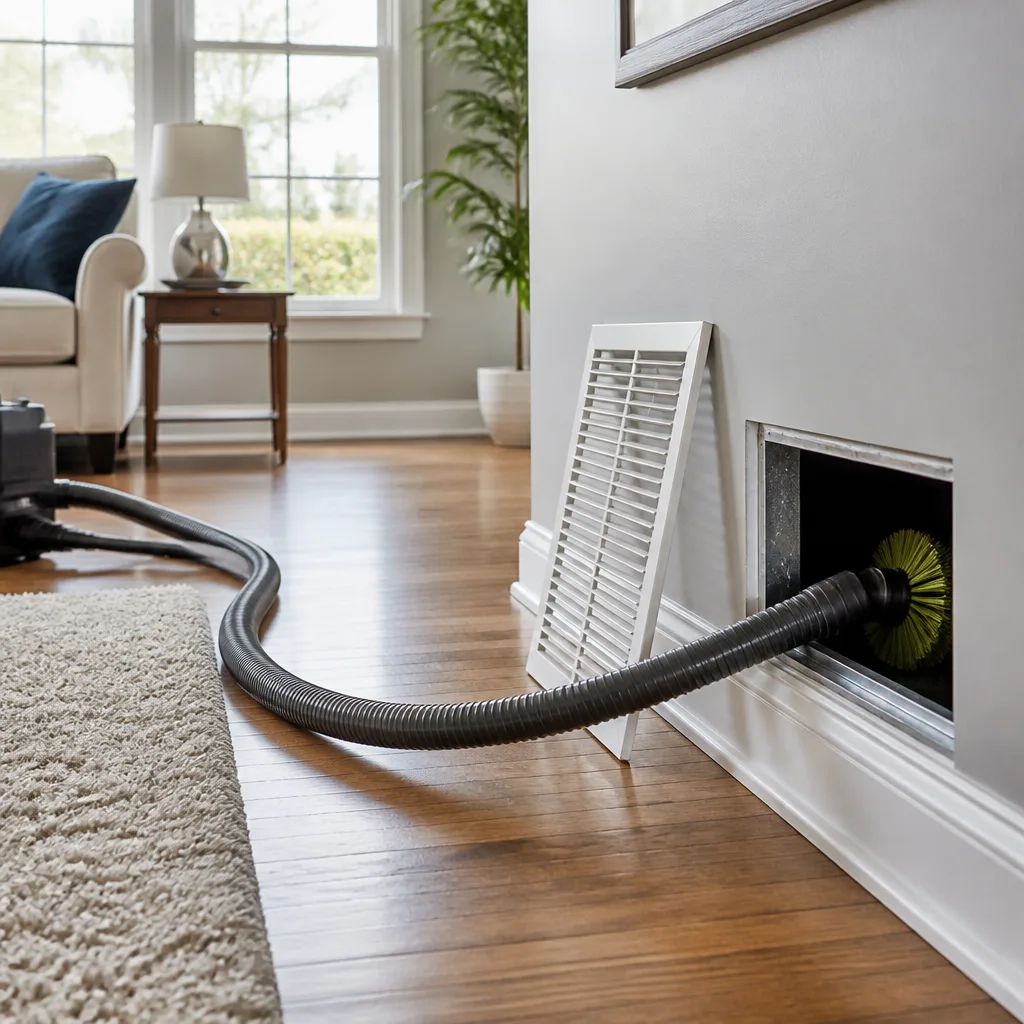 Whole-home duct cleaning
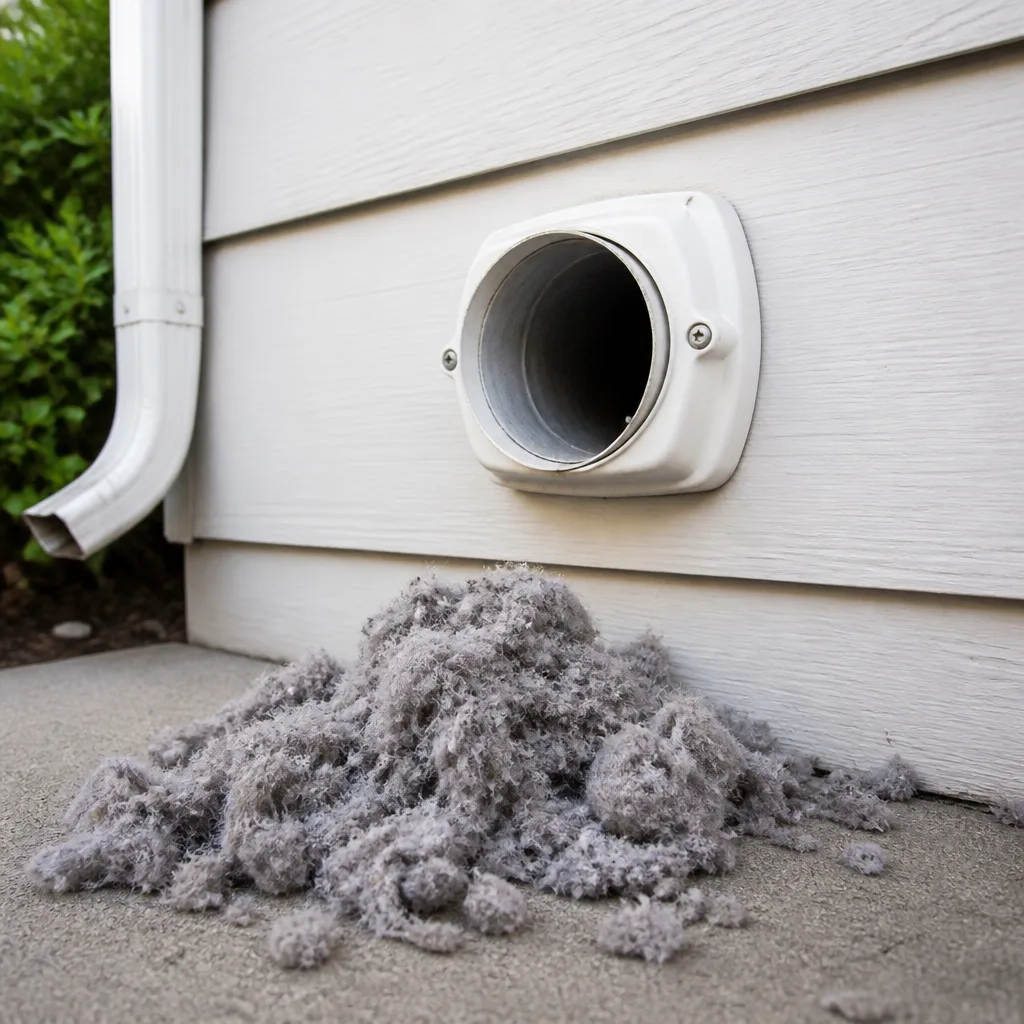 Dryer vent cleaning
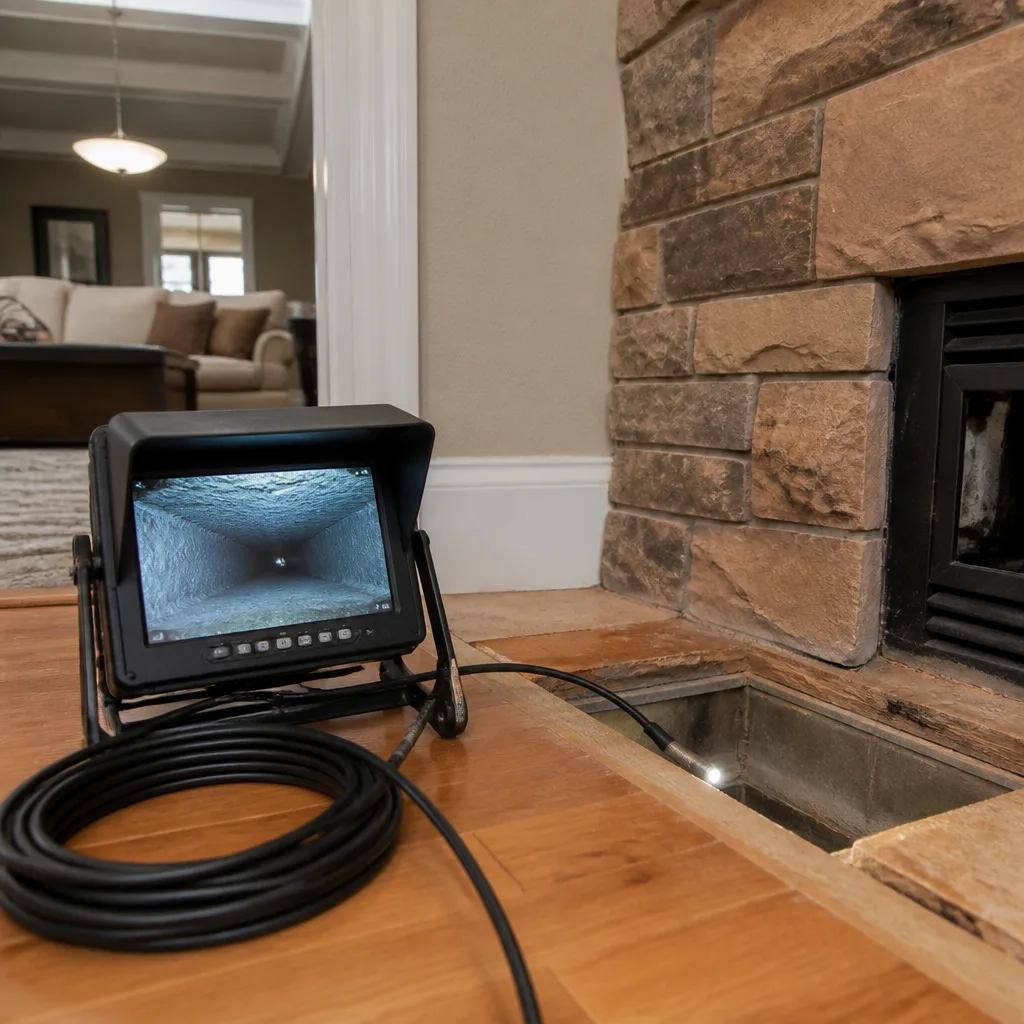 Camera inspection
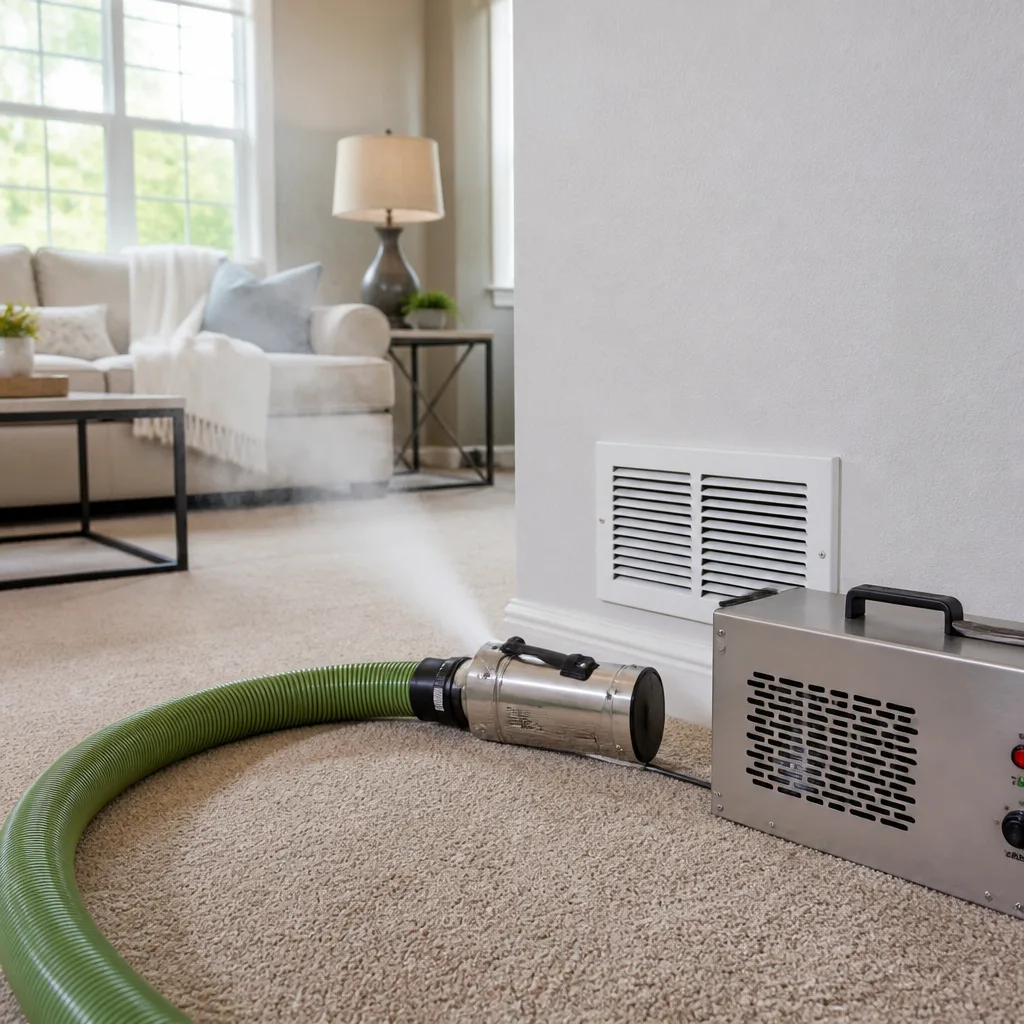 Sanitizing & deodorizing
Whole-system duct and dryer vent check with before-and-after photos - you see exactly what came out of your vents
That "$99 whole-house special" is a bait ad - the real number appears once they are in your hallway, or the "clean" is a shop-vac at the register. We photograph the inside of your ducts before and after instead.
Choosing the Right Air Duct Cleaning Brand: A Buyer’s Guide for Carmel Valley
Most homeowners in Carmel Valley spend more time reading restaurant reviews than researching the equipment an air duct cleaning company will push through their home. That is a mistake with real consequences. An air duct cleaning company’s Google rating tells you about their customer service. It tells you almost nothing about whether their equipment can remove embedded debris from a 30-foot flex duct run. Those are different evaluations, and only one of them affects your air quality. This guide will show you how to evaluate duct cleaning companies on the single most predictive variable: the machinery they own and the scope they actually cover.
Styles & brands we work with
- Whole-home duct cleaning
- Dryer vent cleaning
- Camera inspection
- Sanitizing & deodorizing
Quick Answer
The best air duct cleaning company in Carmel Valley CA is one that owns professional-grade negative air systems like Rotobrush or Nikro, includes the air handler and return pathways in every quote, and offers repair capability for whatever the cleaning uncovers. Reviews and price matter far less than whether the technician’s equipment physically contacts the duct walls while extracting debris under negative pressure. Before booking, ask to see photos of the actual equipment and request a written scope that lists every component being cleaned, not just supply registers.
Table of Contents
- The Equipment Audit: What Actually Removes Debris
- How to Verify Equipment Before You Book
- The Scope Completeness Test: What Your Quote Should Include
- What NADCA Certification Actually Covers
- Specialists, Franchises, and Generalists: Who Does Carmel Valley Best
- What Carmel Valley’s Climate Does to Your Ducts
- Questions to Ask Before You Book
- Common Mistakes to Avoid
- When to Call a Professional
- Frequently Asked Questions
- The Bottom Line
The Equipment Audit: What Actually Removes Debris
Not all duct cleaning methods are equal, and the differences are physical, not cosmetic. When we evaluate duct cleaning companies for our own reference and for the questions Carmel Valley property managers ask us, we sort equipment into four tiers. The tier a company operates in determines whether your duct cleaning is a meaningful air quality improvement or an expensive visual exercise.
The first and weakest tier is the contact vacuum method. This is what most budget-priced companies use. A technician runs a shop-vac style hose into the duct through a register and moves it around. The problem is physics: a shop vac produces suction but not enough airflow volume to overcome the static pressure of a full duct run. In a 20-foot section of flex duct, the suction at the far end drops to a fraction of what it is at the opening. Debris embedded in the duct lining, dust caked onto the walls from years of condensation cycles, and particulate trapped in bends and junctions stay put. The technician leaves, the dust remains, and you have paid for a service that did not address the problem. Many companies dress this method up with a rotating brush attachment, but the core limitation is the same: a contact vacuum has neither the agitation force nor the negative air volume to pull debris from surfaces it cannot directly touch with sustained pressure.
The second tier is compressed air agitation with a standard vacuum. This uses an air compressor to blast debris off the duct walls while a negative air machine pulls the loosened material out. It is a real method and can be effective for lightly soiled ducts, but it has a practical ceiling. In older Carmel Valley homes where ducts have accumulated years of fine particulate, compressed air without sufficient negative air volume can actually push debris further into the duct system rather than extracting it. The method works, but it requires careful pressure management and a vacuum with enough cubic feet per minute of airflow to keep up. Not every company using this method has that calibrated.
The third tier, and the standard that matters for most residential work, is brush agitation with simultaneous negative air extraction. This is what professional-grade systems like Rotobrush and Nikro are built for. A powered brush head makes physical contact with the duct walls, mechanically dislodging debris that has adhered to surfaces. At the same time, a high-volume negative air machine pulls the loosened particulate out of the system before it can resettle. The key phrase is “simultaneous.” Contact plus extraction at the same moment is what separates a real clean from a cosmetic pass. In flex duct, where the interior liner has ridges that trap dust, a rotating brush is the difference between cleaning the duct and just disturbing the top layer. In our work across Carmel Valley, we have pulled debris out of systems that had been “cleaned” by a previous company within the past year, and the difference is always equipment.
The fourth tier adds remediation-grade negative air filtration, the territory of equipment like Abatement Technologies air scrubbers and HEPA-filtered negative air machines. This class of equipment is overkill for a routine duct cleaning, but it matters for specific situations: post-construction dust, smoke damage, mold remediation, or any scenario where the particulate being removed is hazardous enough that you do not want it recirculating in the home during extraction. A full-scope duct cleaning company in Carmel Valley should have access to this tier, even if most residential jobs never require it. The presence of remediation-grade gear signals that the company understands containment and airflow physics at a deeper level than a standard cleaning-only operator.
How to Verify Equipment Before You Book
Every duct cleaning company in Carmel Valley will tell you their equipment is professional-grade. Very few will show you proof. Here is the verification process we recommend, and it takes about fifteen minutes on the phone.
Step 1: Ask the direct question. “What specific equipment do you use, and can you send me photos of the actual machines?” A company using Rotobrush, Nikro, or similar professional systems can answer this instantly. They can name the model line, describe the brush head diameter, and send you photos of the equipment in their van from a job this week. A company using a consumer-grade setup will hesitate, use vague language like “commercial-grade tools,” or give you a brand name you have never heard of with no model number.
Step 2: Ask for the airflow spec. Negative air machines are measured in cubic feet per minute, or CFM. Professional duct cleaning systems run in the 1,000 to 8,000 CFM range depending on the machine. A standard shop vac might move 100 to 200 CFM through a four-inch hose. The gap is not subtle. If the company cannot tell you the CFM rating of their negative air machine, that is an answer in itself. They do not know because they have never been asked.
Step 3: Ask what happens when they find damage. This question separates cleaning-only operators from full-scope specialists. A duct cleaning company that also offers Air Duct Repair in Carmel Valley will answer with specifics: how they patch a disconnected section, how they re-seal a leaking joint, how they handle a crushed flex run. A cleaning-only company will say they will “note it in the report” or refer you to an HVAC contractor. The problem with referral answers is that someone else is then entering your system, and the cleaning company has no accountability for the repair quality. A company that cleans and repairs under one roof, like the model we operate on, closes that loop.
Step 4: Ask for a written scope before you agree to anything. The quote should list every component being cleaned, every access point being cut, and every pathway being serviced. If the quote is a single line item that says “duct cleaning,” ask for the detail. A professional company has a standard scope document. It is not something they need to create on the spot.
The Scope Completeness Test: What Your Quote Should Include
The most common way homeowners in Carmel Valley get shortchanged on a duct cleaning is not through bad equipment, it is through an incomplete scope. A company quotes a low price, shows up with decent equipment, and cleans only the supply registers. The rest of the system, the part that matters most for air quality, never gets touched.
Here is the scope a complete duct cleaning should include, and the questions to ask about each component:
- Supply registers and boots: This is the minimum. Every company includes these. If this is the entirety of the quote, the quote is incomplete.
- Return registers and return duct pathways: Return ducts pull air from your living spaces back to the air handler. They carry just as much dust as supply ducts and are often dirtier because they run at lower velocity. A quote that skips return pathways is skipping half the system. We regularly see return ducts in Carmel Valley homes that have never been cleaned because previous companies only serviced supply registers.
- The air handler compartment: This is the box where the blower fan and, depending on your system, the evaporator coil live. Dust accumulates on the blower blades, the coil fins, and the interior surfaces of the compartment. This dust affects system efficiency and blows directly into your supply ductwork. A complete cleaning includes removing the access panel and cleaning the accessible surfaces in the air handler compartment.
- Evaporator coil inspection: If the coil is accessible, the technician should at minimum inspect it and document its condition. A coated coil reduces airflow and efficiency. Inspection is part of a complete scope. Coil cleaning, if the coil is heavily fouled, is a separate service that requires care to avoid damaging the fins, but the inspection should always happen.
- Access points and resealing: To reach interior duct sections, technicians cut small access holes in the main trunk line and reseal them with metal patches and mastic or aluminum tape. A complete scope includes all access holes cut and a written commitment that every hole will be resealed to airtight standard. Ask for photos of the access points before and after resealing.
- Plenum boxes and transition points: Where the trunk line connects to the air handler and where branches split off, debris accumulates at the transitions. These are the points where airflow changes direction and particulate drops out of the air stream. They should be explicitly included.
In short: a complete quote covers the entire air pathway, not just the parts that are easy to reach. If your quote stops at supply registers, you are paying for a partial job. If the company will not specify what they include, treat that as a red flag. A full-service Air Duct Cleaning in Carmel Valley provider should have no hesitation documenting scope.
What NADCA Certification Actually Covers
NADCA is the National Air Duct Cleaners Association. Certification is the industry standard baseline, and it is worth checking. But it is also important to understand what NADCA certification does and does not mean for a Carmel Valley homeowner evaluating companies.
NADCA certification means the company has demonstrated knowledge of NADCA’s ACR standard, the industry reference for assessment, cleaning, and restoration of HVAC systems. Certified technicians understand the basics of negative air containment, proper access point placement, and the importance of cleaning all components of the system, not just supply registers. Certification is not meaningless. It is a real signal that the company knows the vocabulary and the standards.
What NADCA certification does not cover is the equipment quality question at the center of this guide. A company can be NADCA-certified and still use consumer-grade contact vacuum systems. Certification tests knowledge, not machinery. It does not verify that the company owns a Rotobrush or Nikro system, that they maintain their equipment, or that they deploy remediation-grade negative air when needed. NADCA certification is a floor, not a ceiling. It tells you the company knows the rules. It does not tell you whether they have the tools to execute against those rules.
A practical approach for Carmel Valley homeowners: treat NADCA certification as a minimum filter. If a company is not certified, that is a reasonable reason to move on. But among NADCA-certified companies, the differentiator is still equipment and scope. Ask the equipment questions in the previous section. Ask for the written scope. A certified company that uses professional negative air and agitation systems will be able to answer both quickly and clearly.
Specialists, Franchises, and Generalists: Who Does Carmel Valley Best
When you look at the duct cleaning market in Carmel Valley, you are choosing between three categories of companies, and they are not equal.
Franchise chains offer the comfort of a recognizable brand name and a standardized process. The problem is that standardization goes the other direction too: these companies face significant cost pressure, and many franchise locations operate with equipment that meets the franchise minimum rather than the standard a serious operator would choose. The technician who shows up at your Carmel Valley home may be excellent, or may be three weeks into the job with a diluted training program. You cannot evaluate the franchise as a whole; you have to evaluate the specific location and the specific equipment that location owns. The brand name tells you nothing about the van pulling up to your curb.
HVAC generalists offer duct cleaning as an upsell during service calls. The company knows HVAC systems deeply, but duct cleaning is not their core business. They may not own professional agitation equipment. They may bill duct cleaning as a low-effort add-on done with a vacuum they already had in the truck. There are exceptions, but the structural incentive points toward treating duct cleaning as revenue filler, not a specialty. When the cleaning uncovers damage, a generalist will fix it, which is a point in their favor, but the cleaning itself often does not meet the standard a specialist would deliver.
Local duct cleaning specialists who have invested in commercial-grade residential equipment occupy the top of the quality curve. These are companies whose entire reputation rests on duct cleaning, dryer vent work, and duct repair. They own the Rotobrush and Nikro systems because their livelihood depends on it. They offer Dryer Vent Cleaning in Carmel Valley as a first-class service, not an upsell, because they understand the connection between airflow, fire safety, and system performance. They repair ducts because they have seen too many cleaning-only jobs where the debris was a symptom of a bigger problem and nobody fixed it. In our experience across Carmel Valley, the specialist operating model consistently produces better outcomes than either franchise or generalist approaches, and the reason is simple: the equipment quality bar and the scope completeness bar are the entire business model.
For Carmel Valley homeowners, that means the company search should start with local specialists and verify their equipment claims, not start with the biggest brand name and hope the local franchise happens to be well-equipped.
What Carmel Valley’s Climate Does to Your Ducts
Carmel Valley’s specific climate patterns have a direct effect on duct system conditions, and they create a profile of particulate accumulation that a thoughtful cleaning approach has to address.
Carmel Valley sits in a coastal-influenced microclimate that sees consistent temperature swings and significant moisture in the air during parts of the year. Warm, humid air moving over cooler duct surfaces creates condensation inside the ductwork, especially in uninsulated sections of metal trunk line or in flex duct runs through unconditioned attics. That condensation binds dust and fine particulate to the duct walls, creating the embedded debris layer that simple vacuum methods cannot remove. This is why the brush agitation method matters more in Carmel Valley than it might in a drier climate: the debris is adhered, not just sitting loose.
The marine layer influence also means homes in Carmel Valley deal with higher indoor humidity levels than inland communities, which increases the likelihood of biological growth on dust accumulations inside ductwork. A duct system that has not been cleaned in a decade in Carmel Valley is not just dusty; it is a candidate for microbiological contamination in the accumulated layer. Professional cleaning with proper agitation and extraction addresses this. A surface-level vacuum pass does not.
There is also a construction-specific factor. Large portions of Carmel Valley were developed in building waves over the past three decades, and homes in different neighborhoods have different duct system ages and configurations. Older sections of Carmel Valley have systems with more metal trunk line, which is durable but prone to joint separation over time. Newer developments have more flex duct, which is easier to install but traps debris more readily in its ridged interior liner. Neither is immune; they fail in different ways. A cleaning company that also does duct repair in Carmel Valley is positioned to identify and fix the specific failure mode your system is prone to, rather than just cleaning around it.
The practical takeaway: in Carmel Valley, the adhesion factor means agitation matters more, the moisture factor means thorough extraction matters more, and the mixed system age means repair capability matters more than it would in a drier, newer market. Choose equipment and scope accordingly.
Questions to Ask Before You Book
Here is the complete call script we recommend for Carmel Valley homeowners evaluating duct cleaning companies. Run through these questions in order, and you will know within ten minutes whether you are talking to a serious operator.
- “What specific equipment do you use, and can you send me photos of it?” A real answer names Rotobrush, Nikro, or similar professional systems and includes model information. Photos should show the negative air machine and the agitation head. Vague answers mean consumer-grade tools.
- “What is the airflow rating of your negative air machine?” Professional systems run in the thousands of CFM. If the person on the phone does not know what CFM means, that is your answer.
- “What does your written scope include? Will you clean the air handler, the returns, and all plenum boxes?” Supply-register-only providers will try to avoid this question or change the subject to price. A full-scope company answers immediately.
- “What happens if you find damaged ductwork during the cleaning?” A company with repair capability will describe the fix. A cleaning-only company will describe a referral. You want the company that fixes what they find.
- “Are you NADCA certified, and who trained your technicians?” NADCA certification is the floor. Technician training source tells you whether the company invests in people or just in marketing.
- “Can you provide before-and-after photos of my actual duct system?” A professional company can and will. This is the verification of work quality that protects you from paying for a partial clean.
Notice that none of these questions are about price. Price matters, but it is the last variable to evaluate, not the first. A company that passes all six questions is worth paying for. A company that fails the first two is not worth hiring at any price.
Common Mistakes to Avoid
- Choosing on Google rating alone. A 4.9-star rating measures scheduling courtesy and responsiveness. It does not measure the physical removal of embedded debris from a 30-foot duct run. Read the equipment questions above and apply them regardless of the star count. We have cleaned systems in Carmel Valley that were “cleaned” by highly-rated companies within the previous year.
- Falling for the per-vent pricing trap. A quote that prices per vent is a bait-and-switch structure. The scope is artificially low because the company plans to upsell you on the day of service. A professional duct cleaning is quoted as a whole-system flat price agreed before the work starts, with scope clearly documented. Never accept per-vent pricing.
- Believing you need duct cleaning every year. For a home with no pets, no smokers, no recent construction, and reasonable filter discipline, duct cleaning every five to seven years is usually sufficient. Companies pushing annual cleans are selling frequency, not service. Carmel Valley homes with pets, high pollen exposure, or coastal humidity issues may need more frequent service, but the honest answer should come from an inspection, not a marketing calendar.
- Skipping the air handler in the quote. If the air handler compartment is not in the written scope, the most consequential dust in the system is being left untouched. Dust on the blower and coil gets pushed directly into the clean ducts the moment the system runs. Always insist the air handler is included.
- Accepting “we clean the vents” as a scope description. This phrase is deliberately vague. It usually means supply registers only. Demand a component-by-component written scope, and walk away if the company will not provide one.
- Treating duct cleaning and dryer vent cleaning as interchangeable. They are different services with different safety profiles. A clogged dryer vent is a documented fire risk, and per NFPA data, dryer vent failures are among the leading causes of residential house fires. A company that treats dryer vent cleaning as an afterthought is not taking safety seriously. The dryer vent should be a first-class service, not an add-on line item.
- Assuming insurance covers duct cleaning. Most homeowner policies treat duct cleaning as maintenance, not a covered loss. If a company tells you they will “handle the insurance claim” for routine cleaning, be wary. Full-scope companies can document damage for legitimate claims, but they will not promise coverage for basic maintenance.
When to Call a Professional
Some duct conditions require professional attention, and attempting to address them yourself with a hardware store vacuum and a long hose attachment will not solve the problem. If you can see visible dust accumulation around register openings in your Carmel Valley home after vacuuming, that is debris from deeper in the duct system, not surface dust. If family members experience persistent allergy symptoms that worsen when the HVAC system runs, the ducts may be the reservoir. If you have completed a renovation and the system ran during construction, drywall dust and debris are embedded in the ducts and the air handler. If you smell a musty odor when the system starts, that is a moisture and biological growth signal, not a cleanliness problem that air freshener will address. If your dryer takes longer than one cycle to dry a normal load, the vent is restricted, and that is a fire risk, not an efficiency inconvenience. None of these are DIY scenarios. The right call is a professional with agitation-based negative air equipment and a written scope. Maple Air Duct offers free estimates in Carmel Valley. Call (855) 338-0352 to schedule an inspection, and we will document what your system actually needs before any work is agreed.
Frequently Asked Questions
In Carmel Valley, a complete whole-system duct cleaning with professional agitation equipment typically runs between $450 and $850 for a standard single-family home, with larger systems and additional components like the air handler or multiple return pathways increasing the scope and price. This range assumes a full-scope clean of all supply and return ducts, air handler inspection, and resealed access points. Be wary of quotes below $300, which nearly always indicate a supply-register-only scope or consumer-grade equipment. Call (855) 338-0352 for an exact quote with a documented scope, and the estimate is free.
Cheaper quotes usually mean one of three things: the company is using a contact vacuum instead of professional agitation equipment, the scope is limited to supply registers only, or the price is a teaser designed to generate upsells once the technician arrives. All three are common in this industry, and all three result in either an incomplete job or a final invoice far higher than the quoted number. A professional company can explain exactly why their price is what it is: the cost of owning and maintaining Rotobrush or Nikro equipment, the time required for a full-scope clean, and the labor to reseal every access point correctly.
You know the work was done when you receive before-and-after photos of your actual duct system, including the supply duct interiors, the return pathways, and the air handler compartment. Any professional company should offer this as standard practice. The photos should be date-stamped and show the same duct sections before cleaning and after cleaning. If a company will not provide photos of your actual system, treat that as a red flag. Verbal reassurances are not verification.
For most Carmel Valley homes without pets, smokers, or recent construction, air duct cleaning is appropriate every five to seven years. Homes with pets that shed heavily, residents with allergy or asthma conditions, or a recent renovation should consider more frequent cleaning, potentially every three to four years. The honest answer depends on an inspection, not a fixed marketing schedule. A professional company will look at your system and tell you whether it needs cleaning now or can wait.
Yes. We are trained to work on systems from leading air quality brands including Honeywell and Aprilaire. These are premium whole-home filtration installations, and they require a cleaning company that understands how the filtration system integrates with the ductwork. If your Carmel Valley home has a whole-home air cleaner, electronic air cleaner, or media filter cabinet from Honeywell or Aprilaire, the cleaning scope should specifically account for those components. We do not treat them as afterthoughts.
Clear access to all registers and returns by moving furniture and removing floor coverings or rugs from register areas. Make sure the area around the air handler is accessible, including any closet or attic access path. If you have pets, secure them in a separate room during the cleaning. A professional company will provide a preparation checklist ahead of the appointment, but these three items cover the essentials for most Carmel Valley homes. Call (855) 338-0352 and we will walk you through the specific prep for your system.
Yes. A dryer can appear to work normally while lint accumulates in the vent line, restricting airflow and increasing the temperature inside the vent. This is a documented fire risk, and per NFPA data, dryer vent failures are among the leading causes of residential house fires. The restriction builds gradually, so the performance decline is easy to miss until the dryer is taking two cycles to dry a load. That delay is the warning sign. The vent should be professionally cleaned on a schedule appropriate to your usage, and the service should be treated as a safety necessity, not an optional upsell.
The Bottom Line
Choosing an air duct cleaning company in Carmel Valley comes down to three evaluations, and they should happen in this order: equipment, scope, and verification. Ask what specific machinery the company uses and demand photos. Ask for a written scope that includes the air handler, return pathways, and all plenum boxes. Ask for before-and-after photos of your actual duct system when the work is done. A company that owns Rotobrush or Nikro professional systems, documents a complete scope, and addresses dryer vent safety as a first-class service is the company worth hiring. Maple Air Duct operates on exactly that model, with full air duct services, dryer vent cleaning, and air duct repair under one roof. Call (855) 338-0352 for a free estimate and a documented scope for your Carmel Valley home.
Written by the team at Maple Air Duct, serving Carmel Valley since 2017.
See the difference
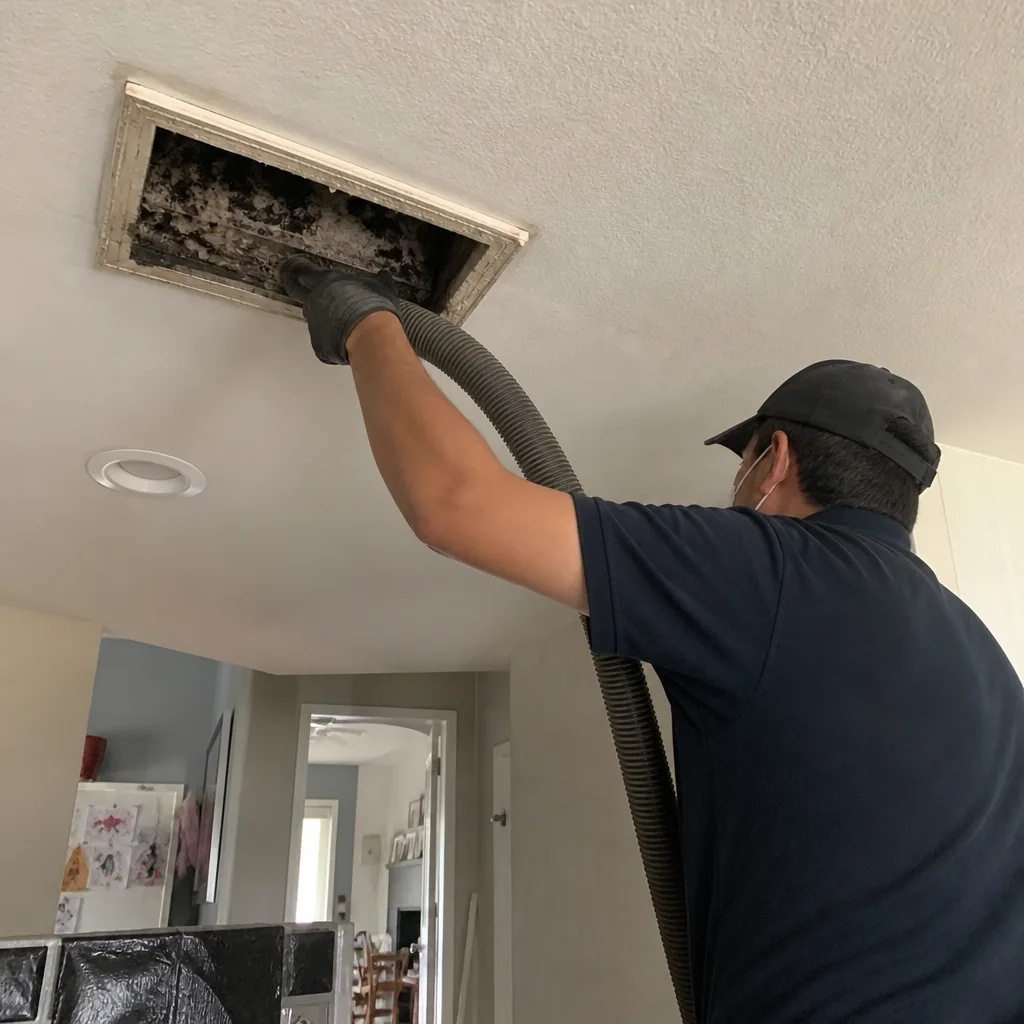 Before
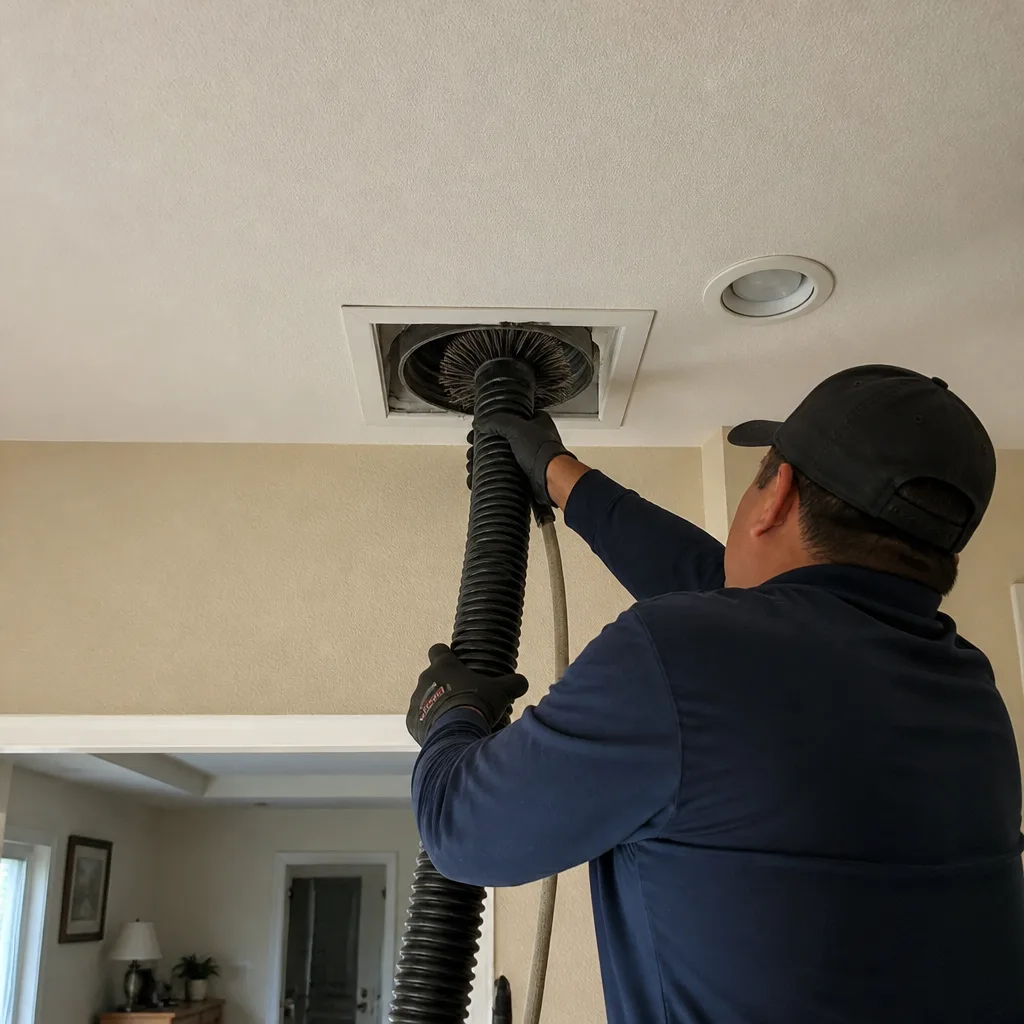 After
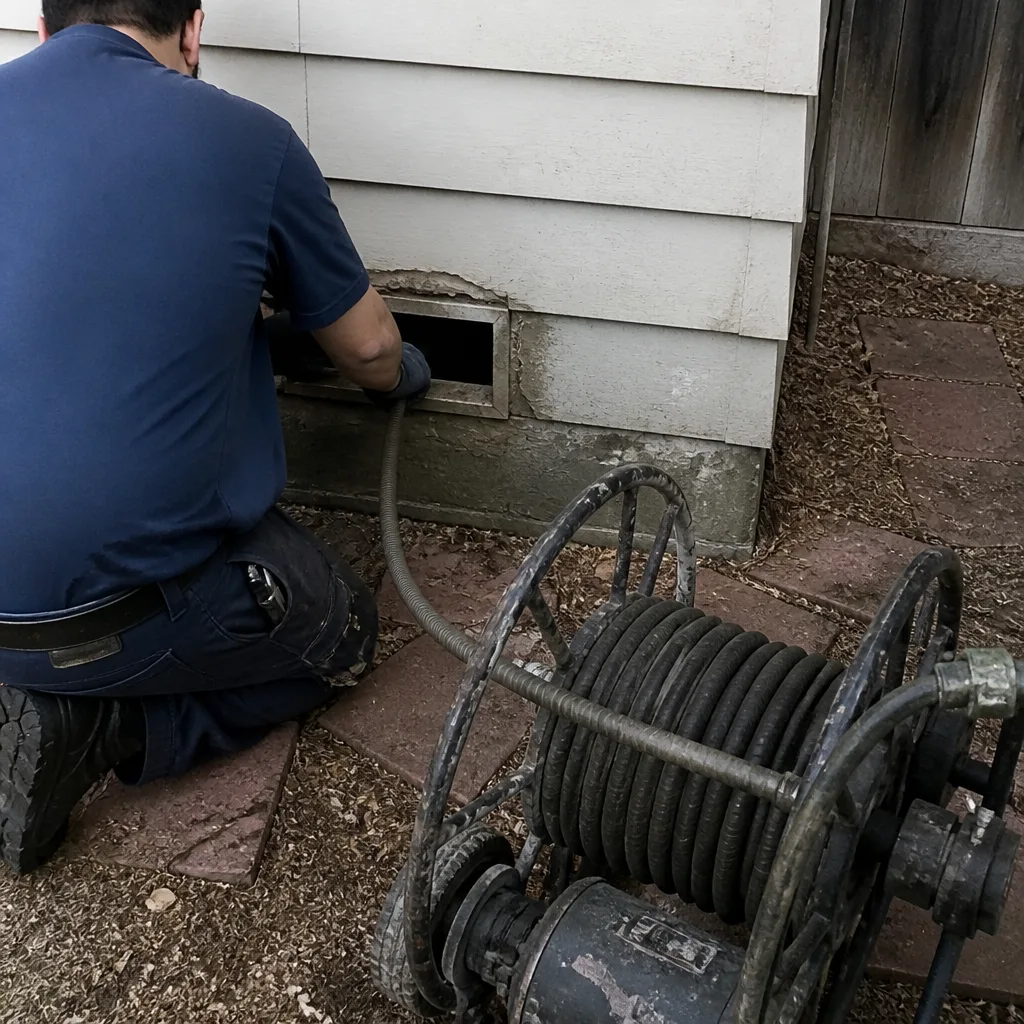 Before
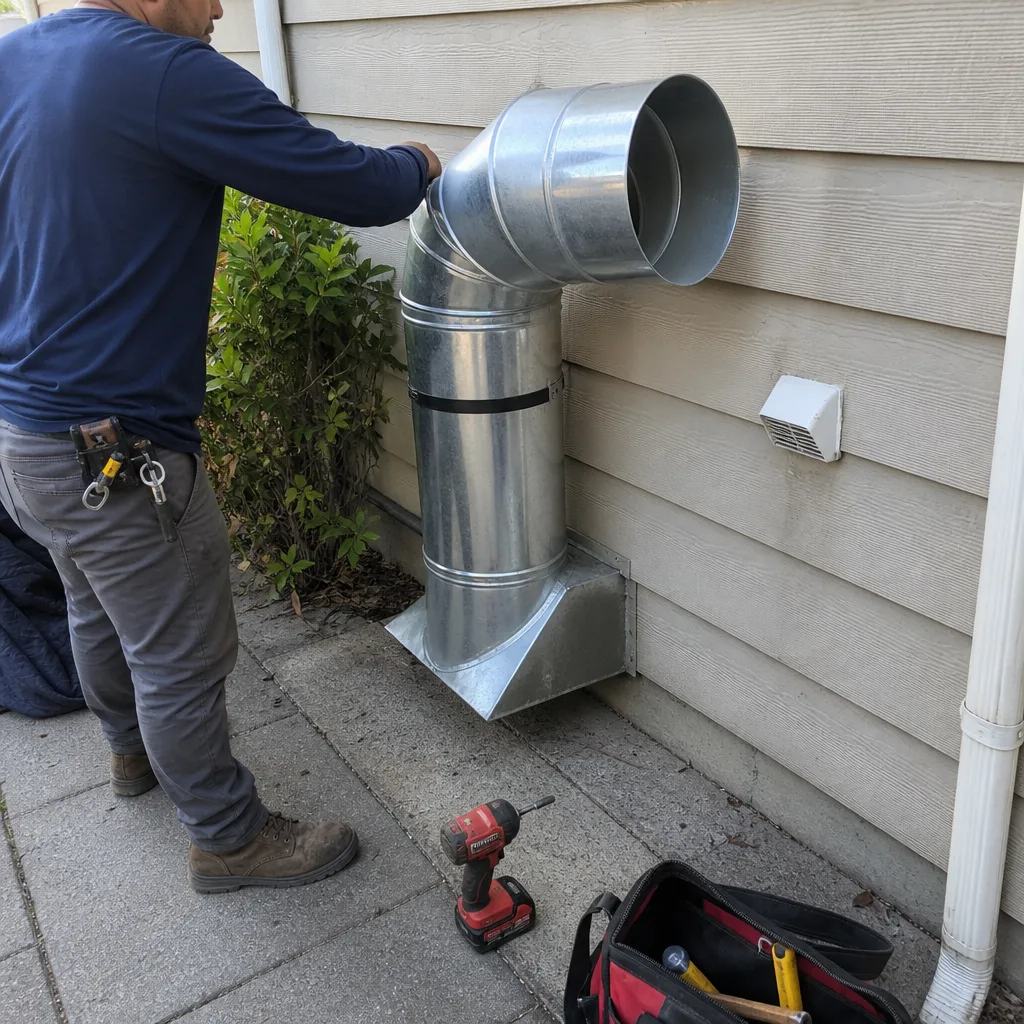 After
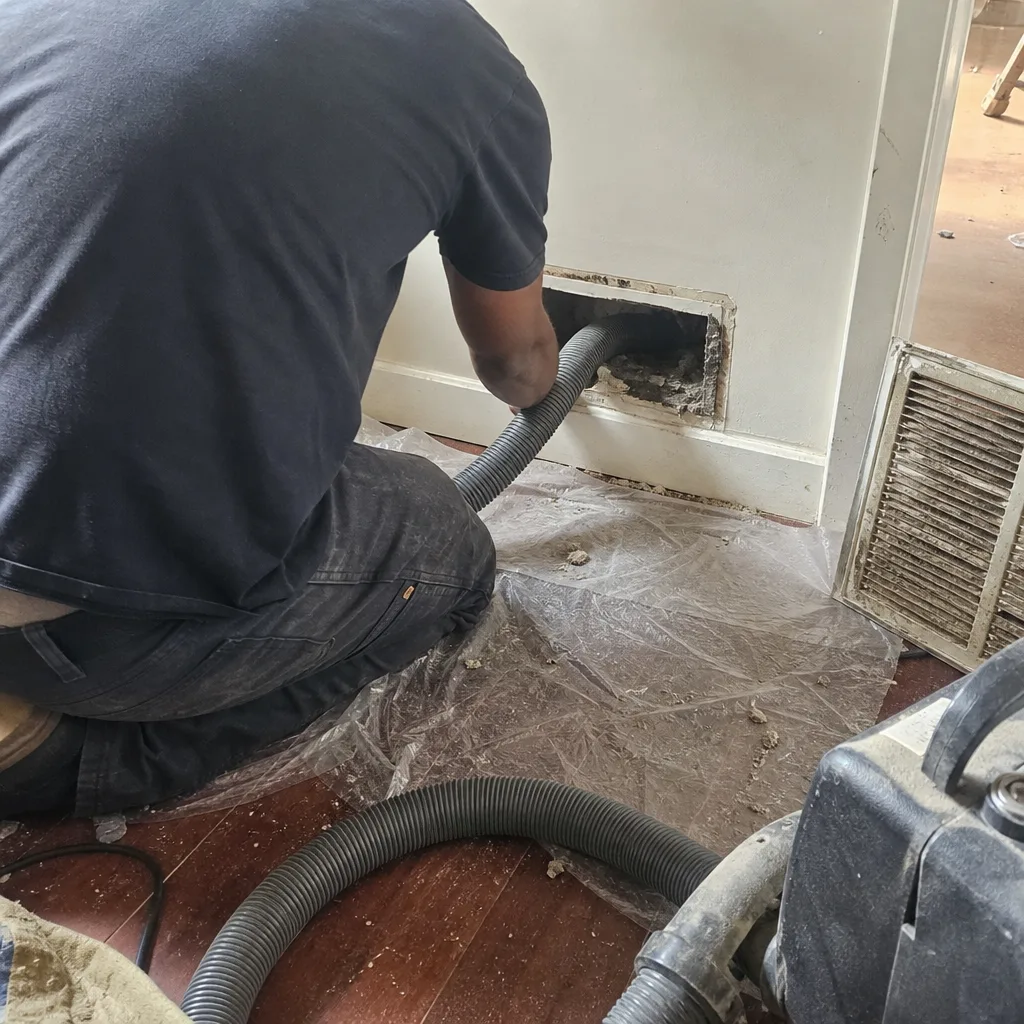 Before
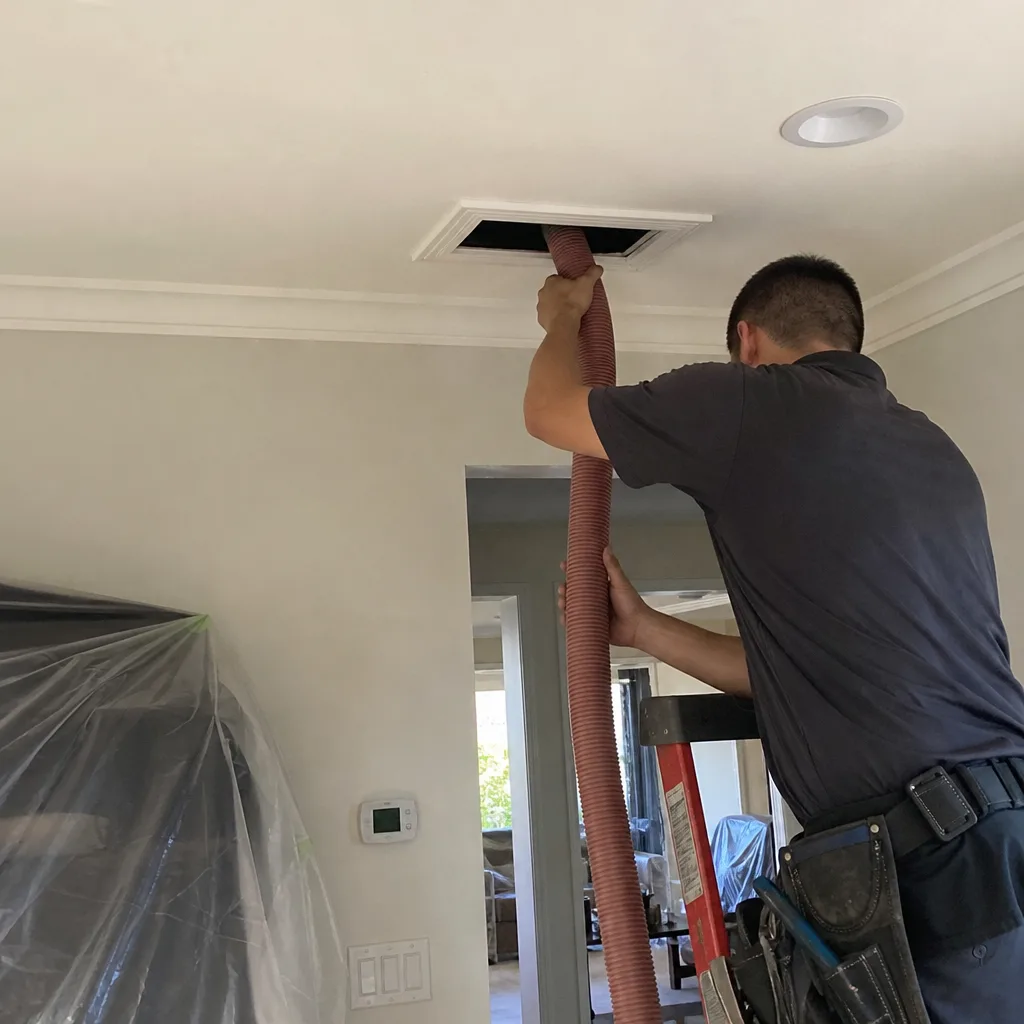 After