
Last updated November 2, 2026
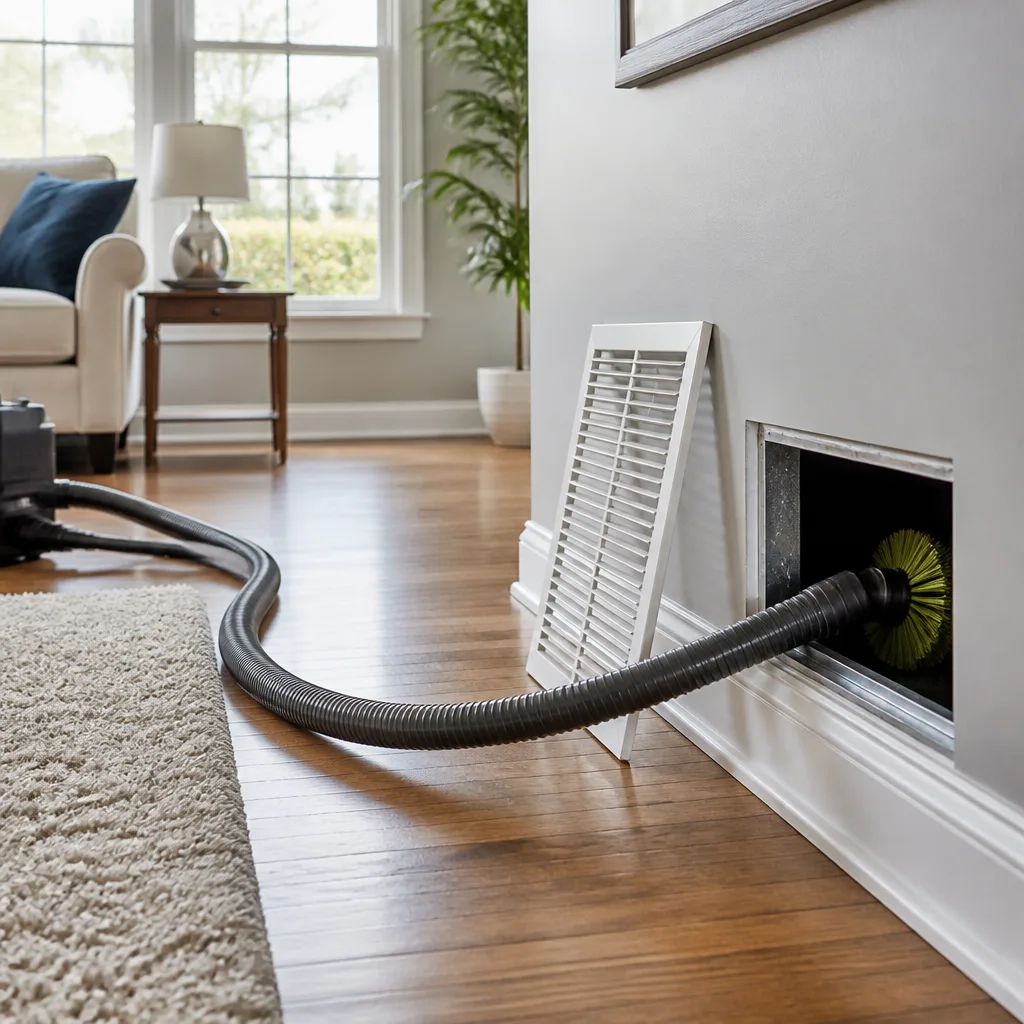 Whole-home duct cleaning
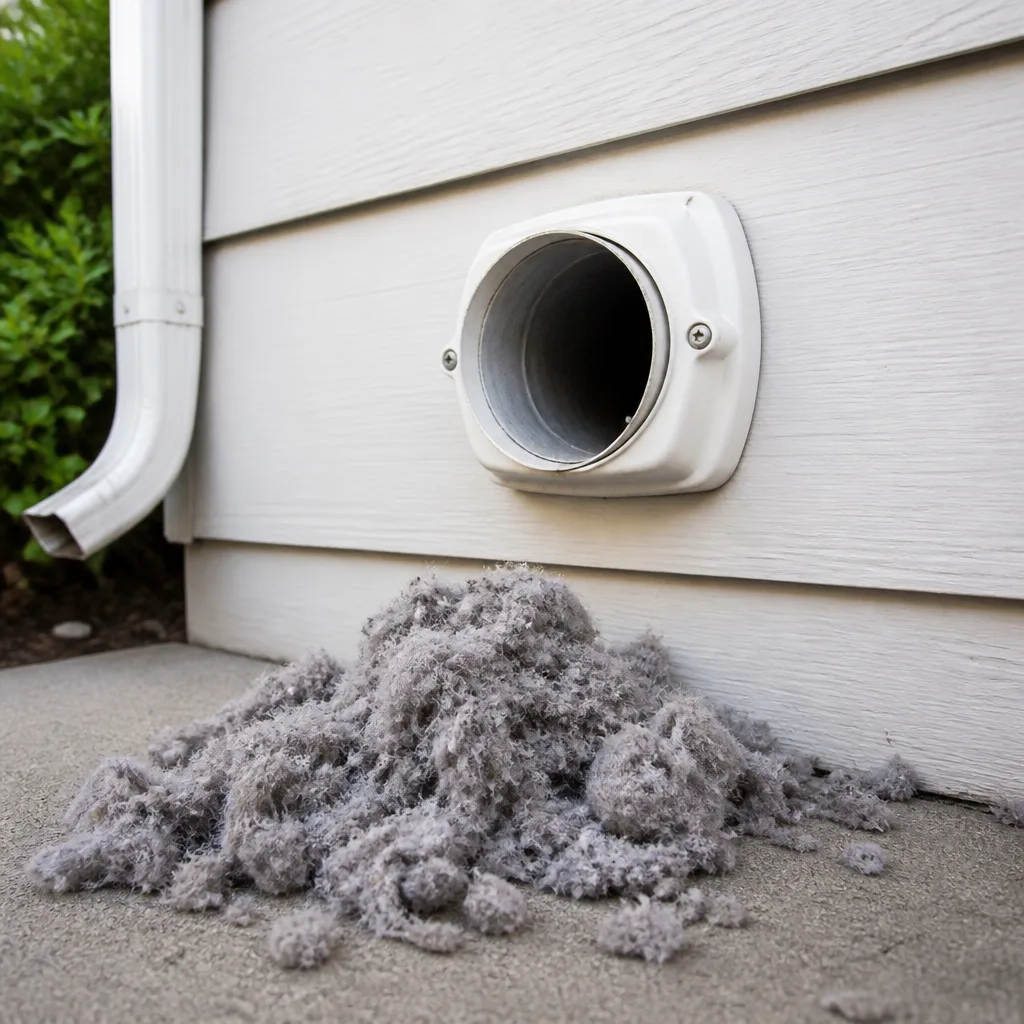 Dryer vent cleaning
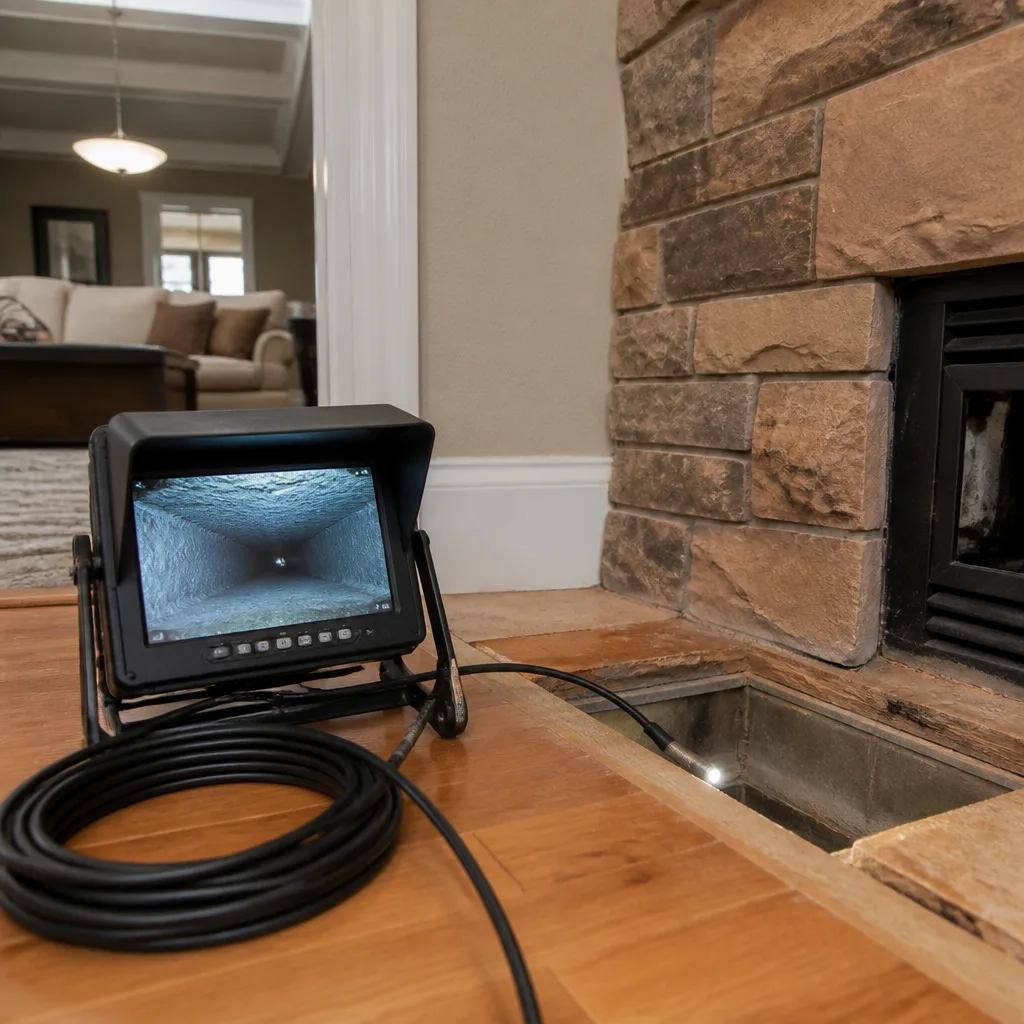 Camera inspection
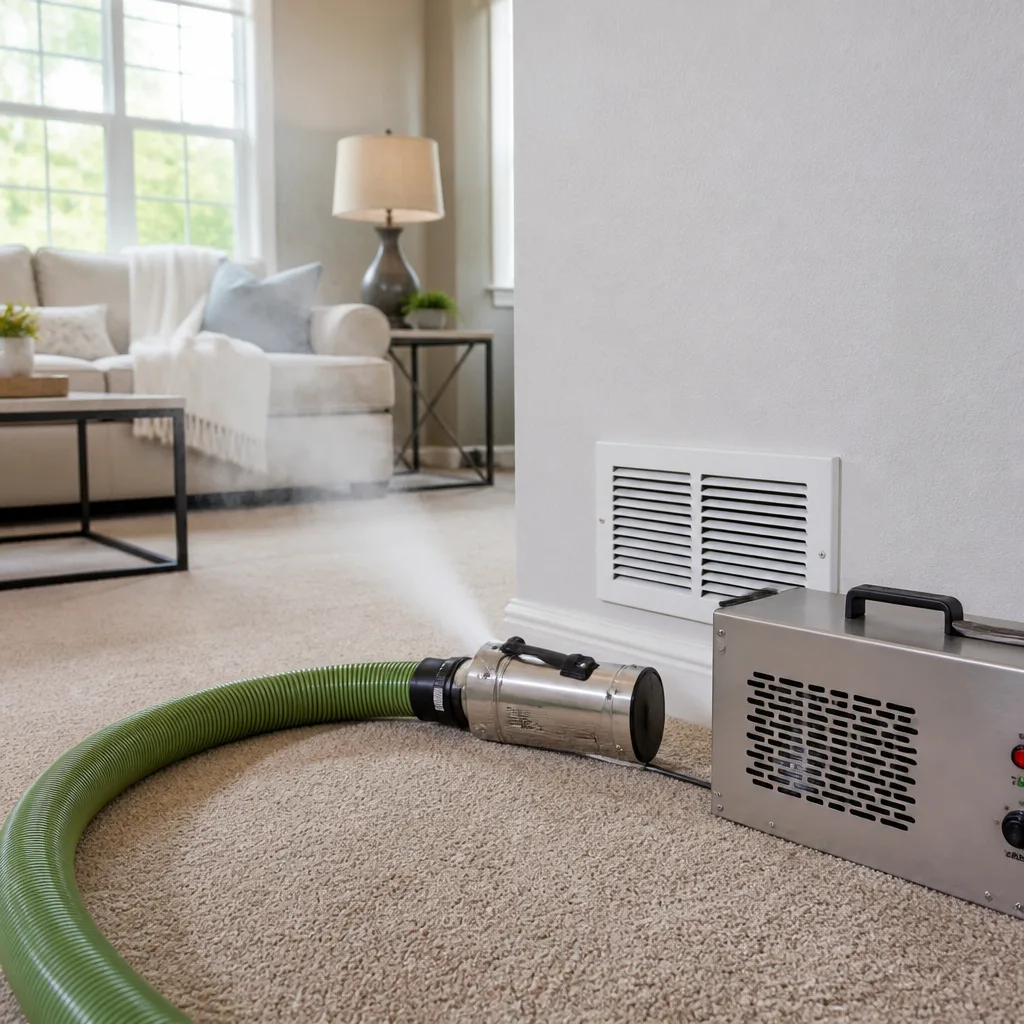 Sanitizing & deodorizing
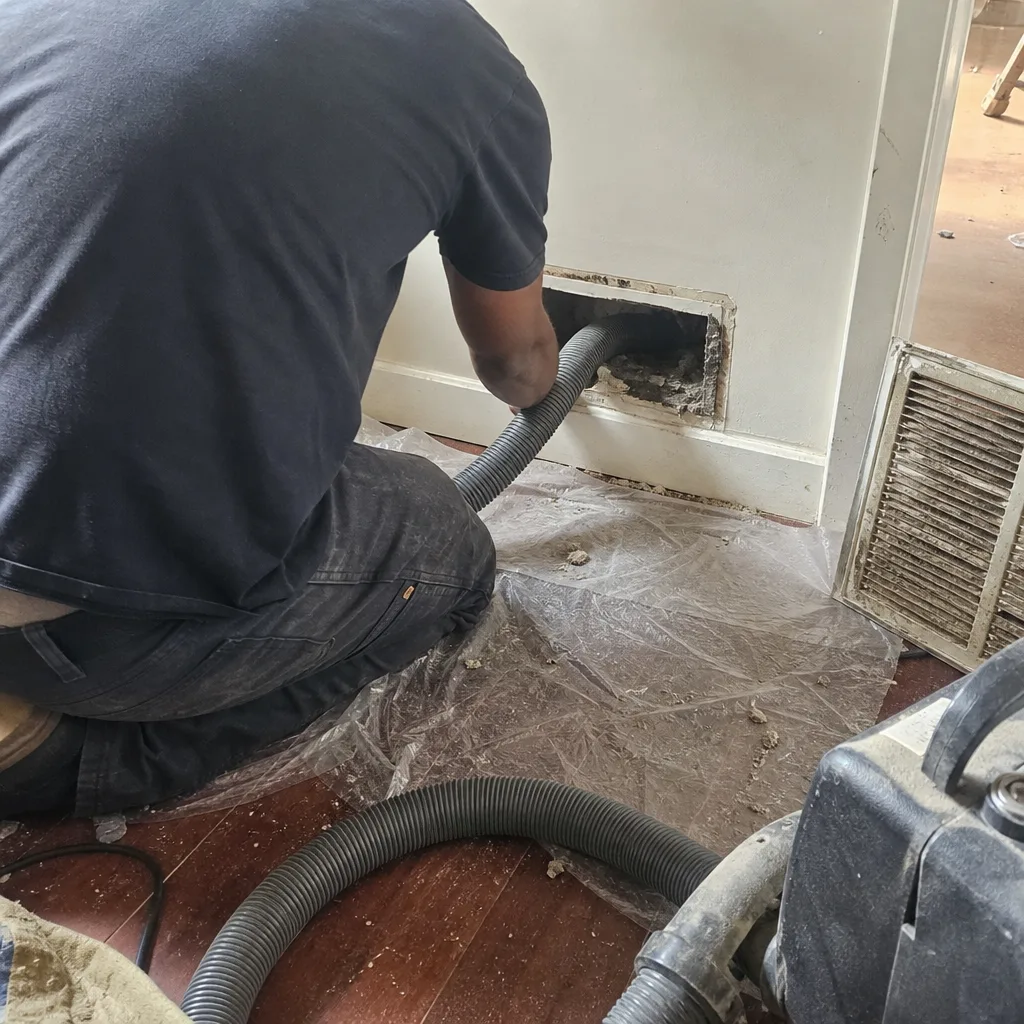
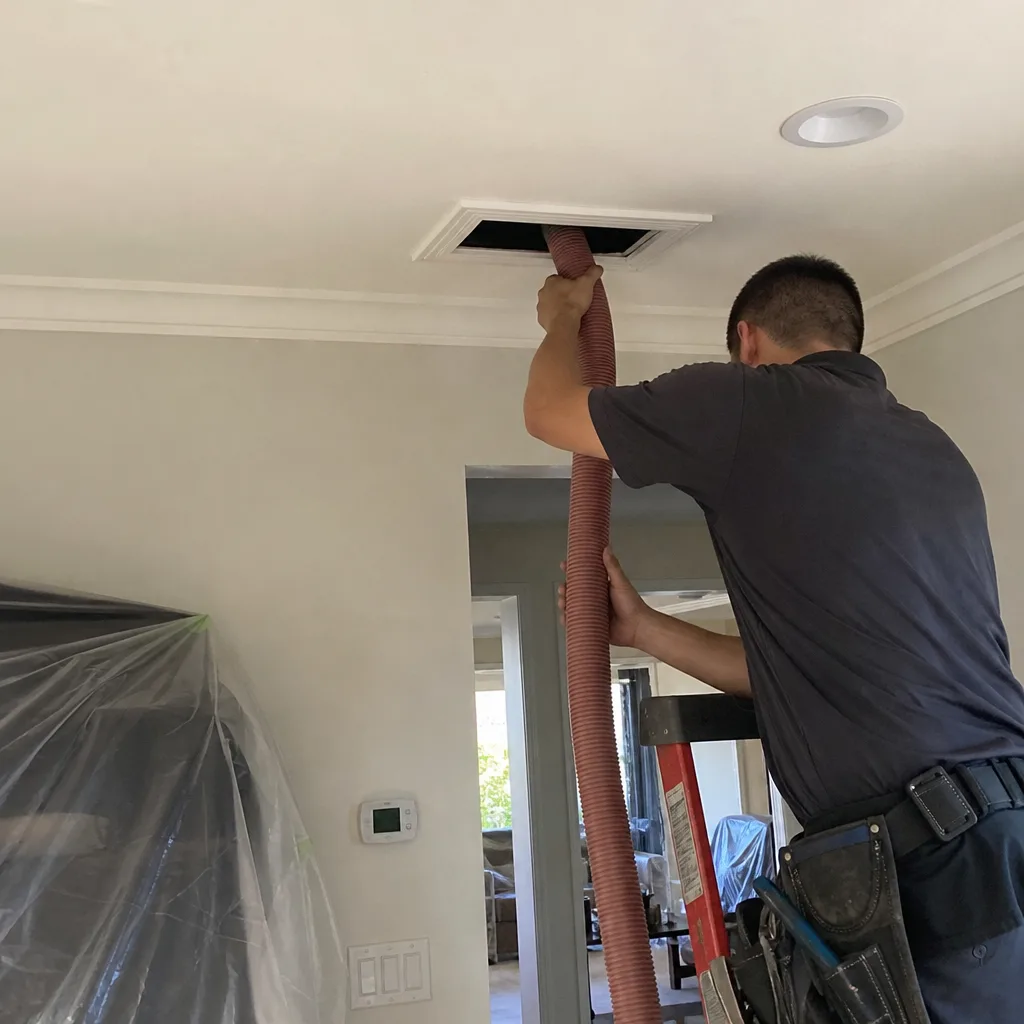
Whole-system duct and dryer vent check with before-and-after photos - you see exactly what came out of your vents
That "$99 whole-house special" is a bait ad - the real number appears once they are in your hallway, or the "clean" is a shop-vac at the register. We photograph the inside of your ducts before and after instead.
Air Duct Cleaning Warning Signs: A Carmel Valley Homeowner’s Reference Guide
Dust collecting on your supply registers is not, by itself, a warning sign that your ducts are dirty. It’s a normal byproduct of conditioned air moving through a system, and in many Carmel Valley homes it simply means the filter is catching particulates exactly as designed. The real indicators of duct contamination are quieter, more specific, and often missed until a technician finds something worse downstream. This guide for Carmel Valley homeowners separates duct-specific failure signals from ordinary HVAC quirks, explains what each sign physically means, and tells you when cleaning will fix the problem versus when you’re looking at a repair or equipment issue. We work these systems every week across Carmel Valley, from the older ranches east of Highway 1 to the newer builds up in the Santa Lucia foothills, and the patterns are consistent.
Styles & brands we work with
- Whole-home duct cleaning
- Dryer vent cleaning
- Camera inspection
- Sanitizing & deodorizing
Quick Answer
The warning signs that actually point to dirty or damaged ducts in Carmel Valley are debris trails on walls below registers, persistent musty or dusty odors that don’t clear with filter changes, room-to-room temperature differences of 15% or more at the same thermostat setting, visible debris inside the duct when you inspect with a flashlight, and unexplained increases in dust accumulation on horizontal surfaces. None of these should be ignored, but not all of them require air duct cleaning. Some point to coil fouling, blower motor problems, or structural duct failure. The right response starts with identifying which system component is actually causing the symptom.
Table of Contents
- Register Dust vs. Debris Trails: What’s Normal and What Isn’t
- How to Inspect Your Own Ducts with a Flashlight and Phone Camera
- Airflow Asymmetry and Temperature Variance: The Comfort Test
- Odor Profiling: Dusty, Musty, or Chemical
- Signs That Duct Cleaning Alone Won’t Fix the Problem
- What Carmel Valley’s Climate Does to Duct Systems
- Common Mistakes to Avoid
- When to Call a Professional
- Frequently Asked Questions
- The Bottom Line
Register Dust vs. Debris Trails: What’s Normal and What Isn’t
Here’s the distinction most reference guides miss. Light, even dust on the register face is normal. Air moving through the system picks up microscopic particles from every surface it touches, and some of those particles settle where the air exits. If you wipe a register and it’s coated again in two weeks while your filter is clean, that’s still likely normal. The dust is often coming from the room itself, not the ducts.
What’s not normal is a visible debris trail on the wall or ceiling directly adjacent to a register. You’ll see it as gray or brown streaking above supply vents, often on textured walls. This indicates particles are being thrown outward with enough velocity to stick, which happens when duct pressure is higher than it should be. In Carmel Valley homes, we typically find two causes. The first is a high-velocity bypass situation, where a damper has been closed too far or a room has been added without rebalancing the system. The second is more serious: a collapsed or degraded duct liner that’s shedding material into the airstream. Either way, this is a signal to inspect, not ignore.
How to Inspect Your Own Ducts with a Flashlight and Phone Camera
You can perform a basic register inspection in about twenty minutes with tools you already own: a bright flashlight, a phone camera, and a screwdriver to remove register covers. This won’t replace a professional inspection with a Rotobrush or Nikro system, but it will tell you whether a deeper look is warranted. Here’s the step-by-step process we recommend to Carmel Valley homeowners who want to know what they’re dealing with before making a call.
- Turn off the HVAC system at the thermostat. You want still air so debris doesn’t blow toward your face.
- Remove two or three supply registers in different rooms. Pick one in the main living area, one in a bedroom, and one near the air handler if accessible.
- Shine the flashlight into the duct opening at a low angle. A direct beam will wash out texture; a low angle reveals buildup on the duct walls.
- Take photos with your phone. The camera often sees more than your eye does in low light. Review the images zoomed in.
- Note the color and texture of what you see. This is where the diagnostic information lives.
What you find will fall into a few categories. Light gray powder that’s uniform is usually fine particulate: dead skin cells, fabric lint, and general household dust. This is what cleaning addresses. Dark gray or black patches that look like soot are often candle residue or fireplace byproduct pulled into the return side. White or greenish fuzzy growth suggests moisture and possible mold; in Carmel Valley’s marine layer climate, this is more common than most homeowners expect. Coarse debris like sand granules or drywall chunks points to construction work, either recent renovation or original build debris the contractor never removed. Finally, small brown pellets or shredded insulation material signals rodent activity, which is a different problem that requires exclusion work alongside duct cleaning.
Airflow Asymmetry and Temperature Variance: The Comfort Test
Room-to-room temperature differences are one of the most reliable warning signs of duct problems, and one of the most commonly misattributed. A room that runs five degrees warmer than the rest of the house might be a dirty duct, but it might also be inadequate insulation, a south-facing wall with too much glass, or an undersized register. The way to separate duct issues from building envelope issues is systematic comparison.
Here’s the test we walk our Carmel Valley customers through. Set the thermostat to a consistent temperature, let the system run for an hour, then walk the house with a thermometer. Record the temperature at chest height in each room, away from windows and vents. If you consistently see a spread of 15% or more between the warmest and coolest rooms at the same thermostat setting, start thinking about airflow rather than insulation. Insulation problems tend to be directional: the western rooms get hot in afternoon. Airflow problems tend to be consistent: the same bedroom is always cold in summer and warm in winter, regardless of time of day.
Airflow asymmetry has several duct-specific causes. A disconnected or collapsed duct section removes a room from the system entirely. A kinked flex duct in the attic or crawlspace, which happens during sloppy installation or after a contractor works in the area, chokes flow. A severely dirty coil reduces total system airflow but affects distant rooms first. And a blower motor that’s failing will reduce pressure throughout, changing the balance between rooms. None of these are fixed by cleaning alone, which is why proper diagnosis is what separates effective duct service from guesswork.
Reach out to Maple Air Duct home services for a full diagnostic conversation before you spend money on the wrong fix.
Odor Profiling: Dusty, Musty, or Chemical
Your nose is a diagnostic tool if you know what it’s telling you. Odors that originate in the duct system fall into three categories, and they point to different problems. The distinction matters because the fixes are different, and guessing wrong wastes money.
A dusty or hot smell that appears when the system starts, then fades after a few minutes, is the most common duct odor in Carmel Valley homes. It’s accumulated particulate sitting on the heat exchanger. When the system fires up, the heat bakes that dust and you smell it at the registers. A filter change won’t remove existing buildup. This odor typically indicates the system is due for cleaning, and the smell usually resolves after the heat exchanger and surrounding plenum are cleaned with professional equipment rather than a shop vac that can’t reach the surfaces.
A musty or damp smell that’s persistent, not intermittent, points to moisture. In the flex duct and coil areas under Carmel Valley homes and in attics, condensation combined with organic debris creates the conditions for biological growth. This odor often worsens in the humid summer months when the AC runs hard. Cleaning may resolve it if the growth is on accumulated debris, but if the moisture source isn’t addressed, the smell returns. That’s why a proper inspection includes checking drain pan function, condensation line flow, and flex duct condition, not just scooping out debris.
A chemical or plastic smell is the least discussed and potentially the most serious. Older duct liners break down over time, especially in systems that have seen decades of thermal cycling. The liner material off-gasses and sheds into the airstream. If you smell something like burnt plastic or solvent and you haven’t used those products in the home, suspect the liner. This is a repair and liner replacement situation, not a cleaning situation. We’ve seen this in older Carmel Valley homes where original ductwork from the seventies and eighties has finally reached the end of its service life.
Signs That Duct Cleaning Alone Won’t Fix the Problem
Duct cleaning addresses particulate buildup inside the duct system. It does not fix everything that produces symptoms in a home. A significant portion of the calls we get in Carmel Valley involve symptoms that point to the duct system but actually originate in other components. Here are the signs that tell us cleaning alone won’t be enough, and what the real fix looks like.
- Dirty coil on the indoor unit. If airflow is weak everywhere and the system seems to run constantly without satisfying the thermostat, the evaporator coil may be fouled. Coil fouling reduces both airflow and heat exchange efficiency. This requires coil cleaning, which is a separate service from duct cleaning. In severe cases, a coil is so impacted that it needs chemical cleaning or replacement.
- Blower motor problems. Weak airflow that comes and goes, or a system that makes noise but doesn’t move air, points to the blower. A failing capacitor, a worn motor, or a slipping belt can all mimic duct restriction. Replacing the motor is an HVAC service call, not a duct service call.
- Structural duct failure. If one room receives almost no airflow while others are fine, and you can confirm the register is open, suspect a disconnected or crushed duct branch. This is common in crawlspace systems where animals or past contractors have disturbed the ductwork. Fixing it means reconnecting or replacing the duct section.
- Return air problems. Insufficient return air causes negative pressure in the home, which pulls dust from attics, crawlspaces, and wall cavities into the living space. If you clean the ducts but don’t fix the return air imbalance, the dust problem returns within months.
Maple Air Duct handles the Air Duct Repair in Carmel Valley side of these findings, which is the gap many cleaning-only companies leave open. If we find structural damage during a cleaning, we can repair it on the spot rather than referring you out and leaving the system half-fixed.
What Carmel Valley’s Climate Does to Duct Systems
Carmel Valley has a specific set of environmental conditions that shape how duct systems fail here. Understanding these factors helps you interpret warning signs more accurately and anticipate what your system will need over time. We work with systems across the valley every week, and the patterns are clear.
The marine layer that rolls in from Monterey Bay brings consistent humidity, particularly in the summer mornings and into the early afternoon. That moisture finds its way into crawlspaces and attics where ductwork lives. Metal ducts sweat. Flex ducts absorb ambient moisture when the insulation jacket is compromised. The result is a higher baseline level of biological growth risk in duct systems here than in drier inland climates. A musty smell that appears in June and persists through September is usually the marine layer interacting with accumulated dust in the system.
The valley’s temperature swings add another stressor. Days in the nineties followed by nights in the fifties create thermal expansion and contraction cycles that loosen duct connections over time. Older systems with taped joints are particularly vulnerable. Every summer, we see homes where a joint that was marginally sealed for years finally separates, and a room goes suddenly dead. The homeowner often interprets the sudden airflow loss as a dirty duct, but the real issue is structural.
Construction dust is a persistent variable in Carmel Valley. The area has seen steady renovation and new construction for decades, and construction particulate is finer and more invasive than typical household dust. It settles into return ducts during remodels and lingers long after the contractors leave. If you purchased a renovated home or completed a remodel without sealing the returns, the ducts likely contain a layer of drywall dust that no amount of filter changes will remove.
For a full picture of what professional cleaning addresses in this environment, see our Air Duct Cleaning in Carmel Valley page.
Common Mistakes to Avoid
- Cleaning based on register dust alone. As discussed, register dust is often normal. Cleaning the ducts will not stop dust from settling on registers if the dust is coming from the room itself. Check the filter and look at what’s actually inside the duct before making a decision.
- Using a consumer shop vac to “clean” from the register. A household vacuum cannot reach past the first foot of ductwork and does not have the airflow volume to dislodge particulate on duct walls. Professional systems like the Rotobrush and Nikro equipment we use create the agitation and negative pressure needed to clean the full duct run.
- Ignoring a persistent musty smell because it only happens in summer. Carmel Valley’s humidity cycle makes summer mustiness common, but “common” doesn’t mean “harmless.” The conditions that make the smell are also the conditions that support continued biological growth. Address the moisture source, not just the smell.
- Closing registers in unused rooms to save energy. This raises static pressure in the system, which leads to debris blow-by, premature blower wear, and uneven temperatures. If rooms aren’t used, address the airflow at the damper level, not by choking off registers.
- Replacing the thermostat when rooms feel uneven. The thermostat is rarely the problem. Room temperature variance points to airflow distribution, and replacing the thermostat just adds cost without addressing the system.
- Waiting until a smell or allergy symptom becomes severe before inspecting. Duct problems compound. Debris attracts moisture, moisture supports growth, growth restricts airflow, restriction strains the blower. An early inspection and cleaning is almost always less expensive than a late-stage repair.
- Hiring the lowest bid without asking what equipment they use. A company that sends a technician with a portable shop vac is not the same as one that deploys commercial-grade Rotobrush or Nikro systems with Abatement Technologies filtration for more serious contamination. The price difference exists for a reason.
If you have a dryer vent in your home, the warning signs there are different from duct warning signs. Lint buildup behind the dryer, clothes taking longer to dry, and a burning smell during operation all point to a vent issue that matters for fire safety. Our Dryer Vent Cleaning in Carmel Valley group handles those as a dedicated service, not a bolt-on.
When to Call a Professional
There’s no strict threshold where a DIY inspection becomes a professional call, but the practical line is this: if you’ve done the register inspection and found clumpy debris, visible mold, rodent evidence, or liner material, stop and make the call. If you’ve confirmed temperature variances over 15% that don’t resolve with filter changes, the system needs diagnostic attention. If an odor persists for more than two heating or cooling cycles, particularly a musty or chemical smell, professional assessment is warranted. And if you’ve discovered a room with almost no airflow while the rest of the house runs fine, that’s structural, not filth, and it won’t fix itself.
Maple Air Duct offers free estimates in Carmel Valley. Call (855) 338-0352 and we’ll walk through your symptoms, help you determine whether you’re dealing with a cleaning issue or something else, and schedule accordingly. Our Rotobrush and Nikro equipment lets us address the full duct run, and when we find damage, we can repair it under the same appointment.
Frequently Asked Questions
Air duct cleaning in Carmel Valley typically runs between $350 and $850 for a full single-family home, depending on the number of furnaces, the length of duct runs, and whether the system includes multiple zones or a crawlspace configuration. Homes with two systems or extensive ductwork fall at the higher end. Beware of quotes under $200; those are almost always per-vent pricing that escalates quickly once the technician arrives. Maple Air Duct quotes one flat price per system before any work starts. Call (855) 338-0352 for an exact quote for your home.
Cheap duct cleaning quotes usually come from companies using portable shop vacs that cannot reach the full duct run, or from companies using low introductory pricing that expands into per-vent charges on site. The result is either a partial cleaning that leaves most of the system untouched, or a final invoice far above the quoted price. Professional systems like Rotobrush and Nikro cost more to operate but actually clean the full duct system. The quote difference reflects the equipment and scope difference.
Ask for before-and-after photos of your own duct system, specifically the main trunk line and the supply branches. A legitimate cleaning company using professional equipment will be able to show you the difference. At Maple Air Duct, we photograph the interior of the system before and after so you can see the surfaces we cleaned. If a company cannot produce photos or access the full duct run, the work was likely partial.
For most Carmel Valley homes, duct cleaning is appropriate every three to five years. Homes with pets, residents with respiratory conditions, recent remodeling, or a crawlspace that sees moisture may need cleaning more frequently, typically every two to three years. The variable is not time alone but what’s entering and accumulating in the system. Climate plays a role too: our marine layer humidity accelerates biological growth on debris, which is why the interval here tends to be shorter than in drier regions.
Yes, but the mechanism is different than most homeowners assume. Dirty ducts don’t necessarily introduce new allergens into the home; they recirculate existing particulate every time the system runs. Pollen, dust mites, pet dander, and mold spores that have settled in the ductwork get blown back into living spaces over and over. For allergy sufferers, this means constant exposure rather than isolated events. Cleaning reduces that cycling load when it’s combined with a good filter and addressed moisture problems.
Yes, within limits. Dust near registers comes from room air being entrained by the supply airstream and then settling, not necessarily from the ducts themselves. If you see dust on horizontal surfaces near the register within days of a professional cleaning, check the room’s dust load, the filter quality, and whether the home has adequate return air. Ducts that are actually clean don’t produce new dust, but they also don’t prevent room dust from collecting.
The Bottom Line
The warning signs that matter in a Carmel Valley home are specific and diagnosable: debris trails on walls, room temperature variance over 15%, persistent odors that survive filter changes, and visible debris inside the ducts when you look. What most people call warning signs are actually normal system behavior, and what most people ignore are the quiet indicators of structural or moisture problems. The right response is sequential: inspect, identify the source, then decide whether you’re dealing with cleaning, repair, or equipment service. See our more guides & resources for related maintenance topics. Maple Air Duct does all three under one roof, and we use the equipment that makes the inspection and cleaning actually meaningful. If you’re seeing symptoms in your home, call (855) 338-0352 and we’ll help you figure out what’s really going on.
Written by the team at Maple Air Duct, serving Carmel Valley since 2017.
See the difference
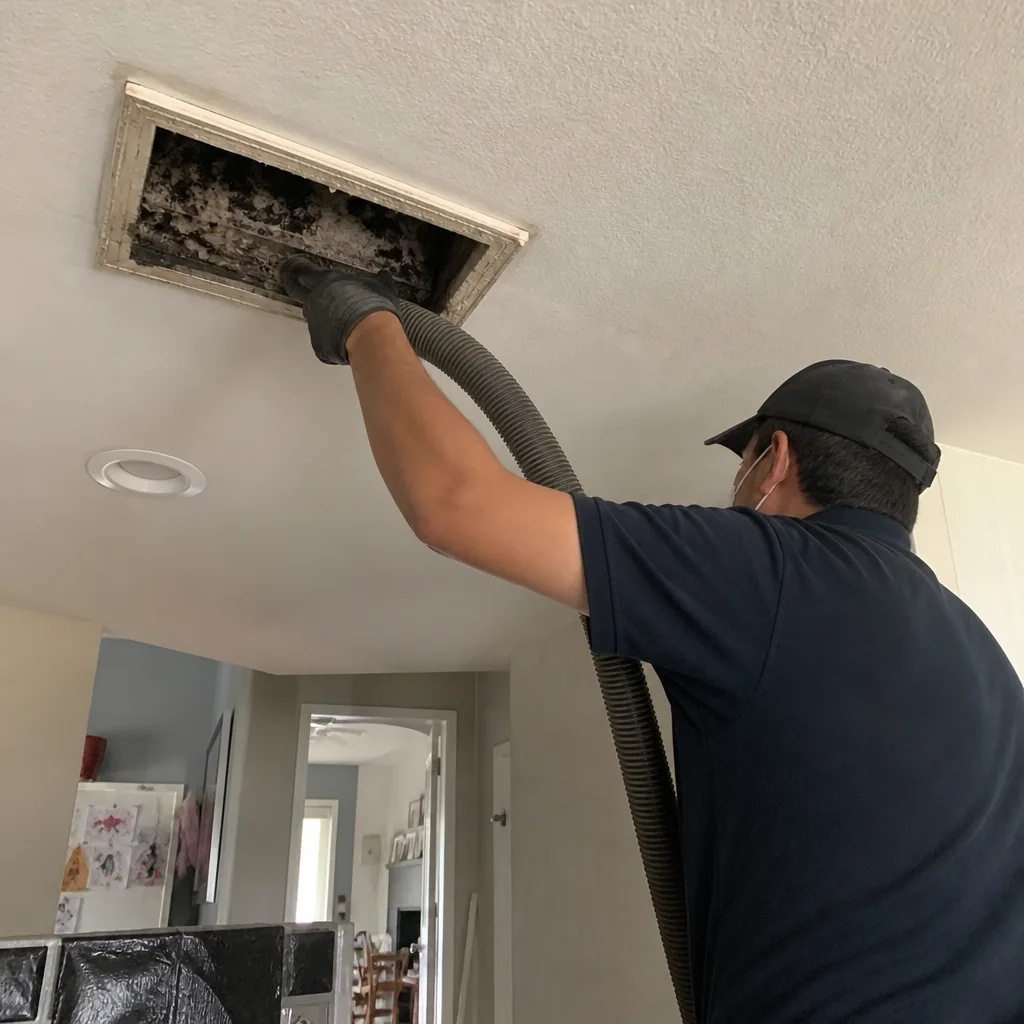 Before
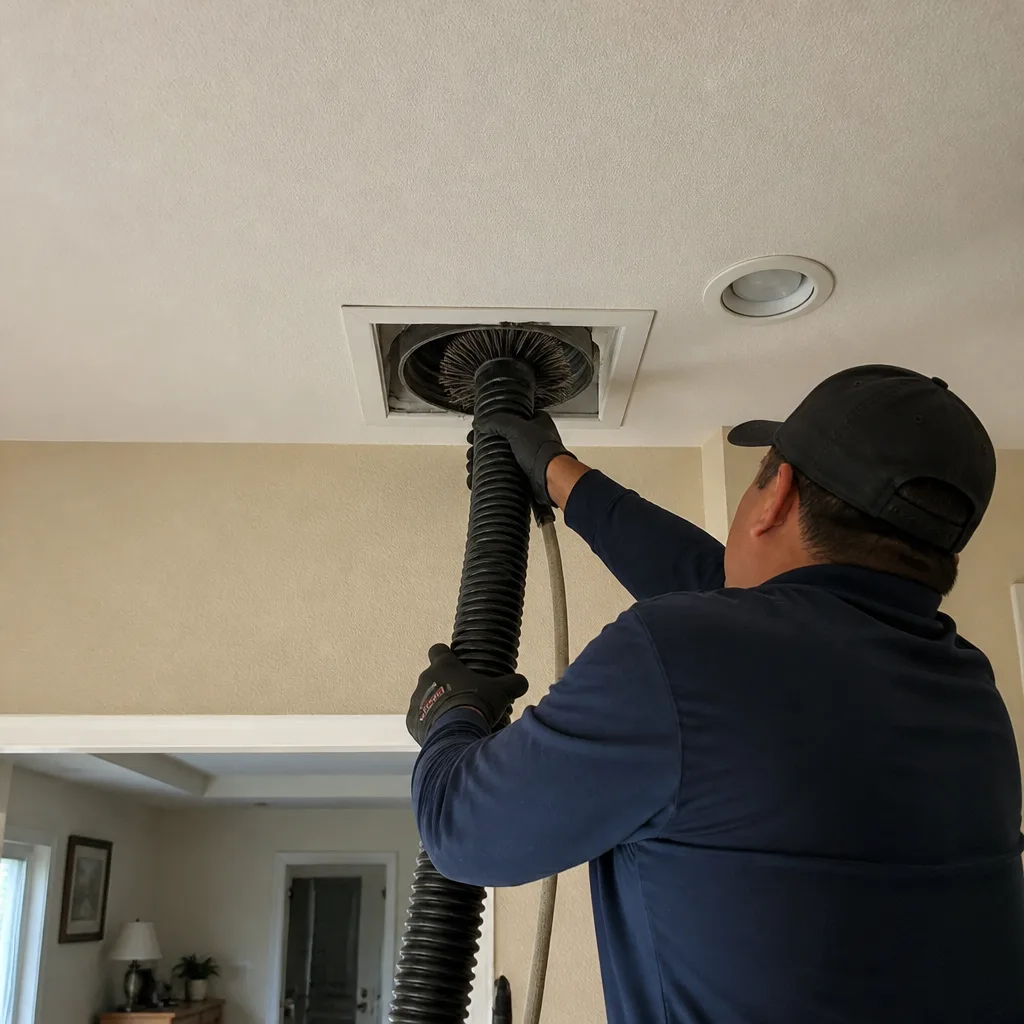 After
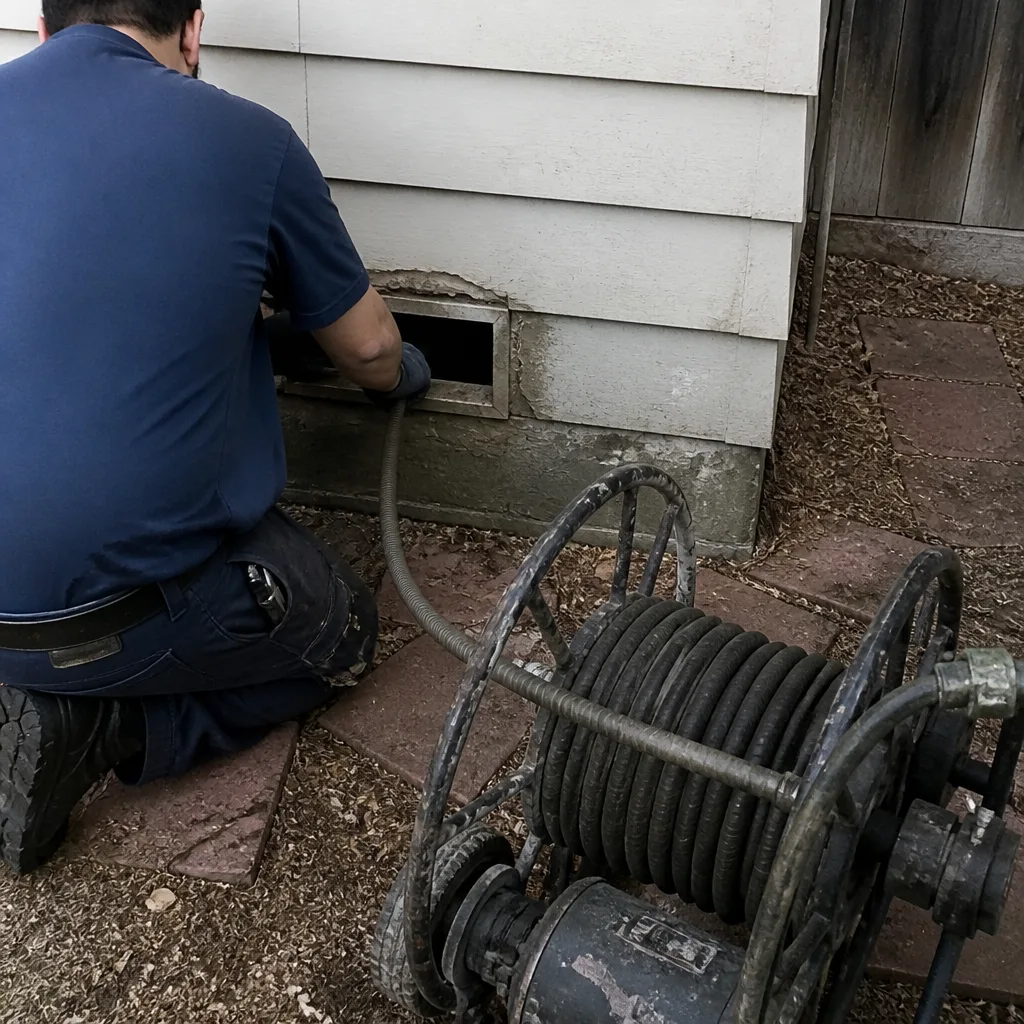 Before
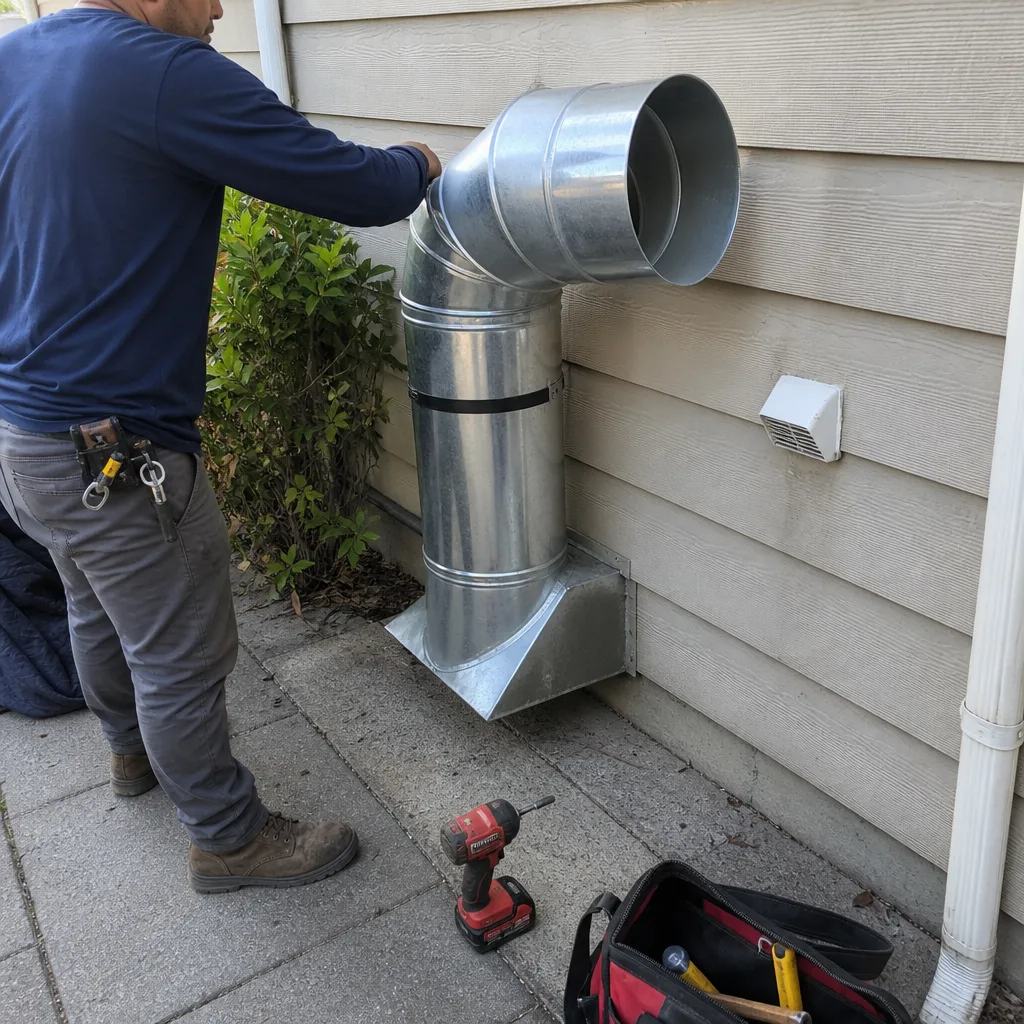 After
 Before
 After