
Last updated November 2, 2026
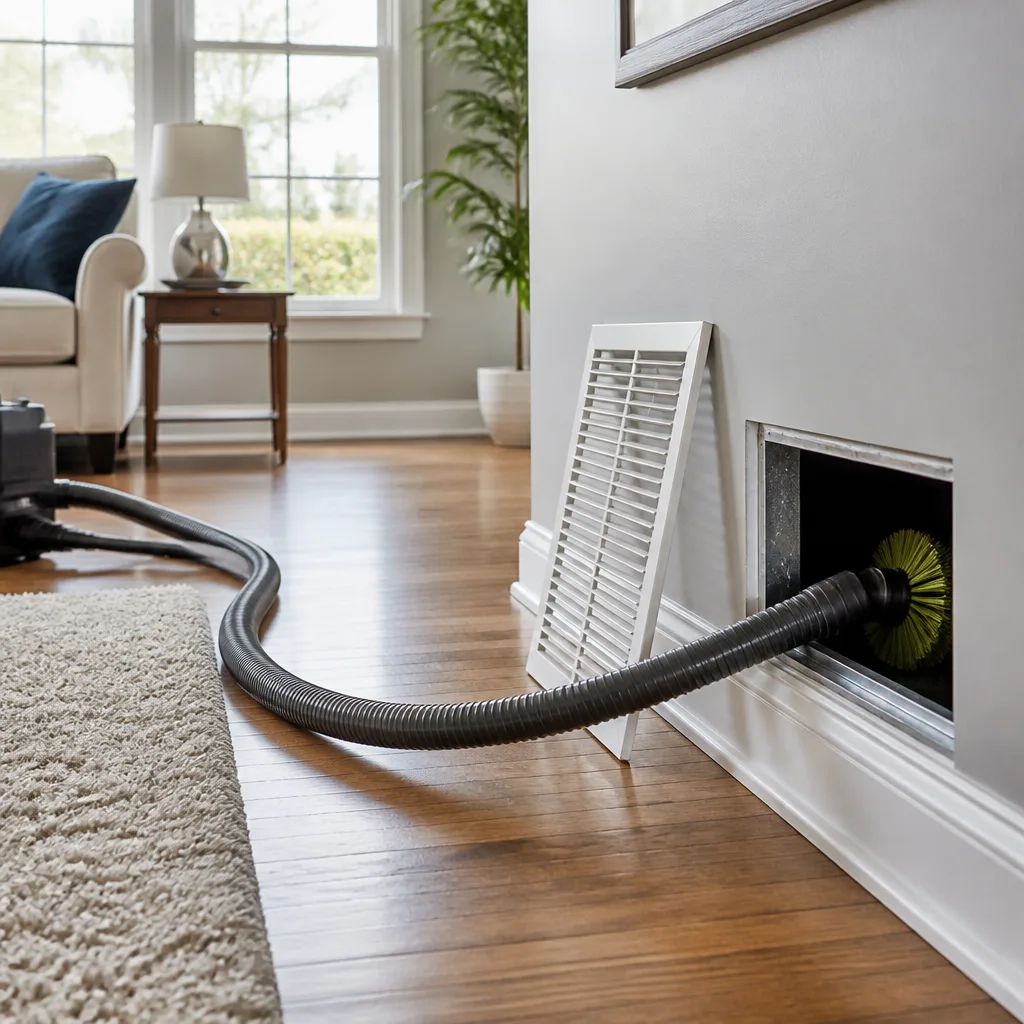 Whole-home duct cleaning
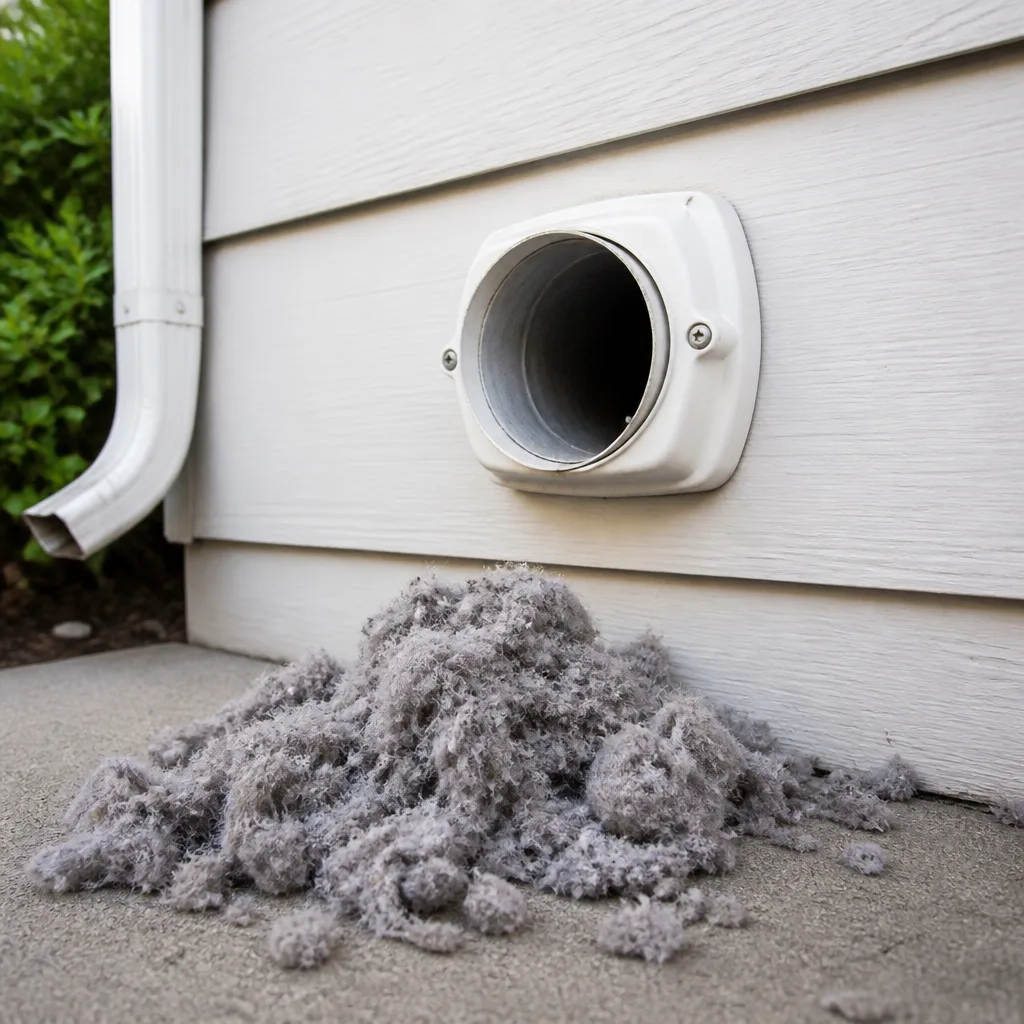 Dryer vent cleaning
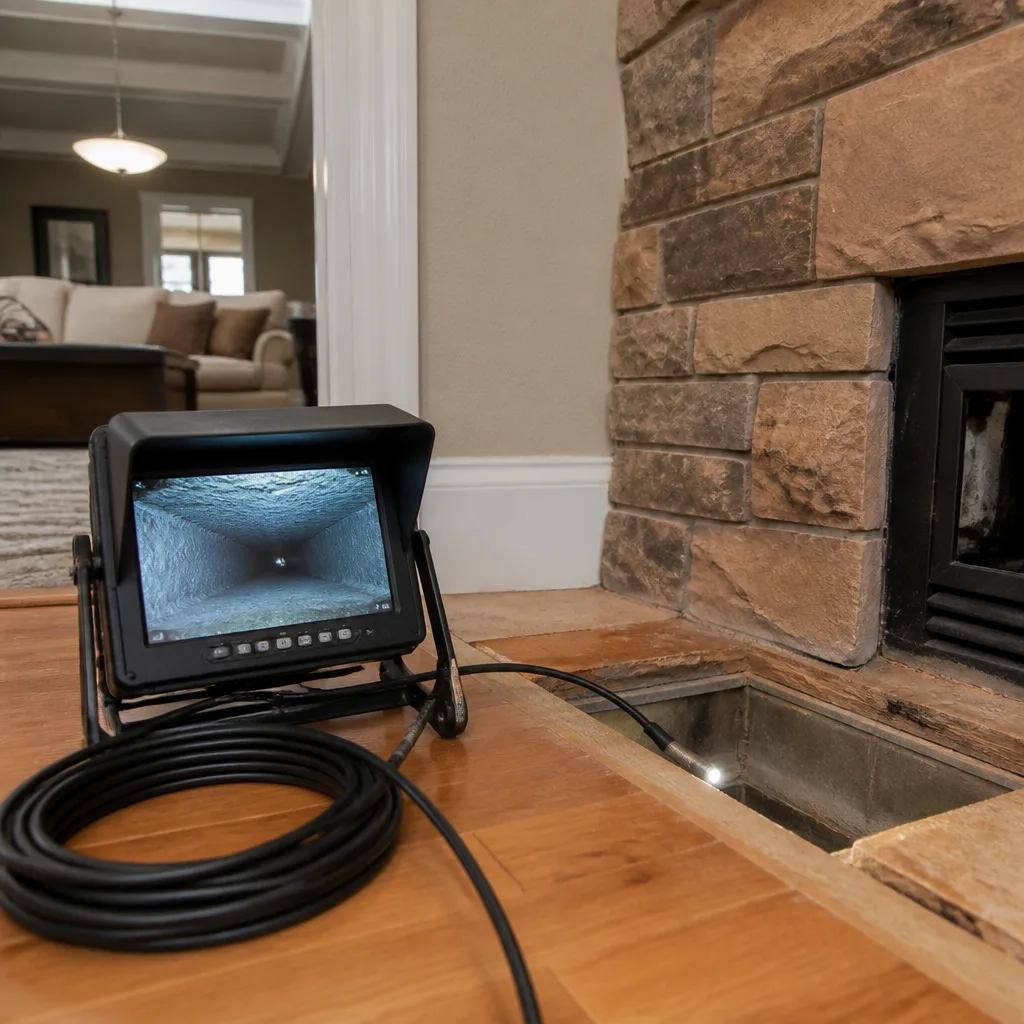 Camera inspection
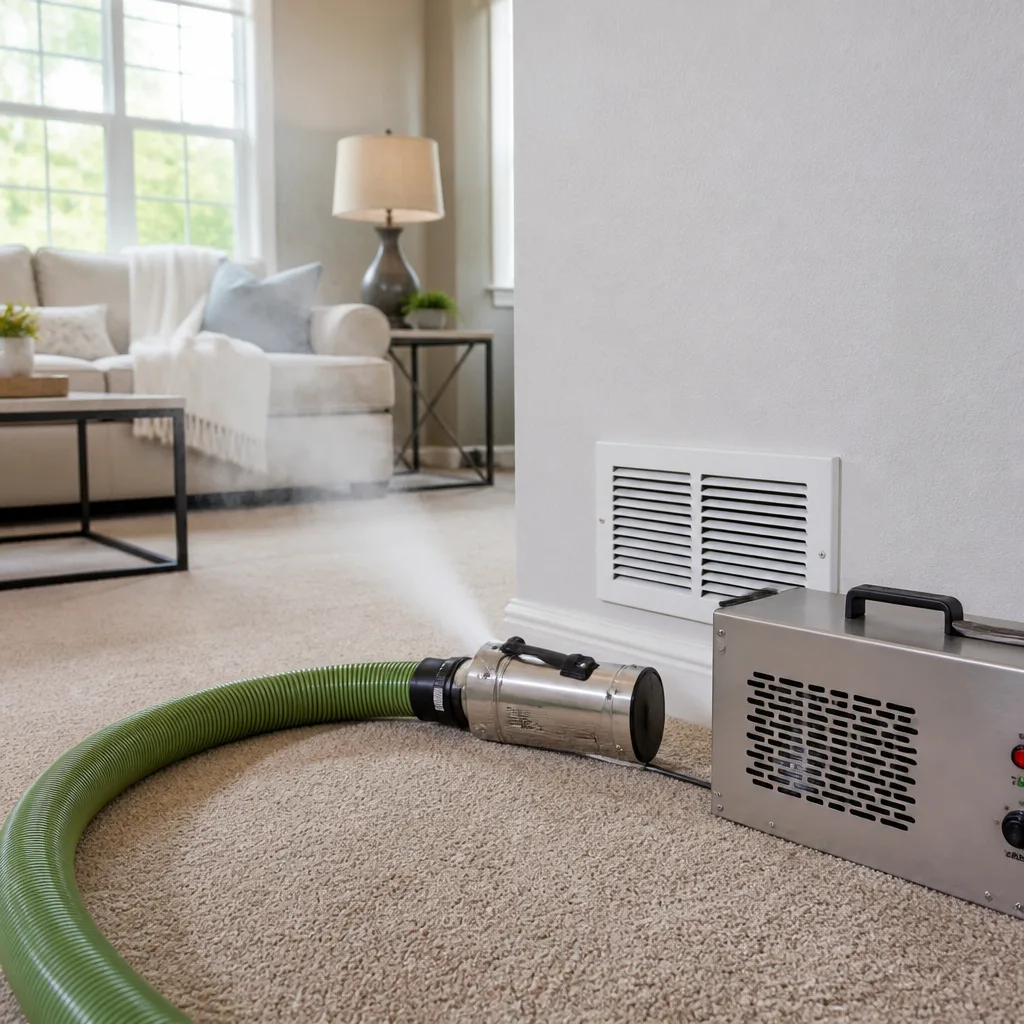 Sanitizing & deodorizing
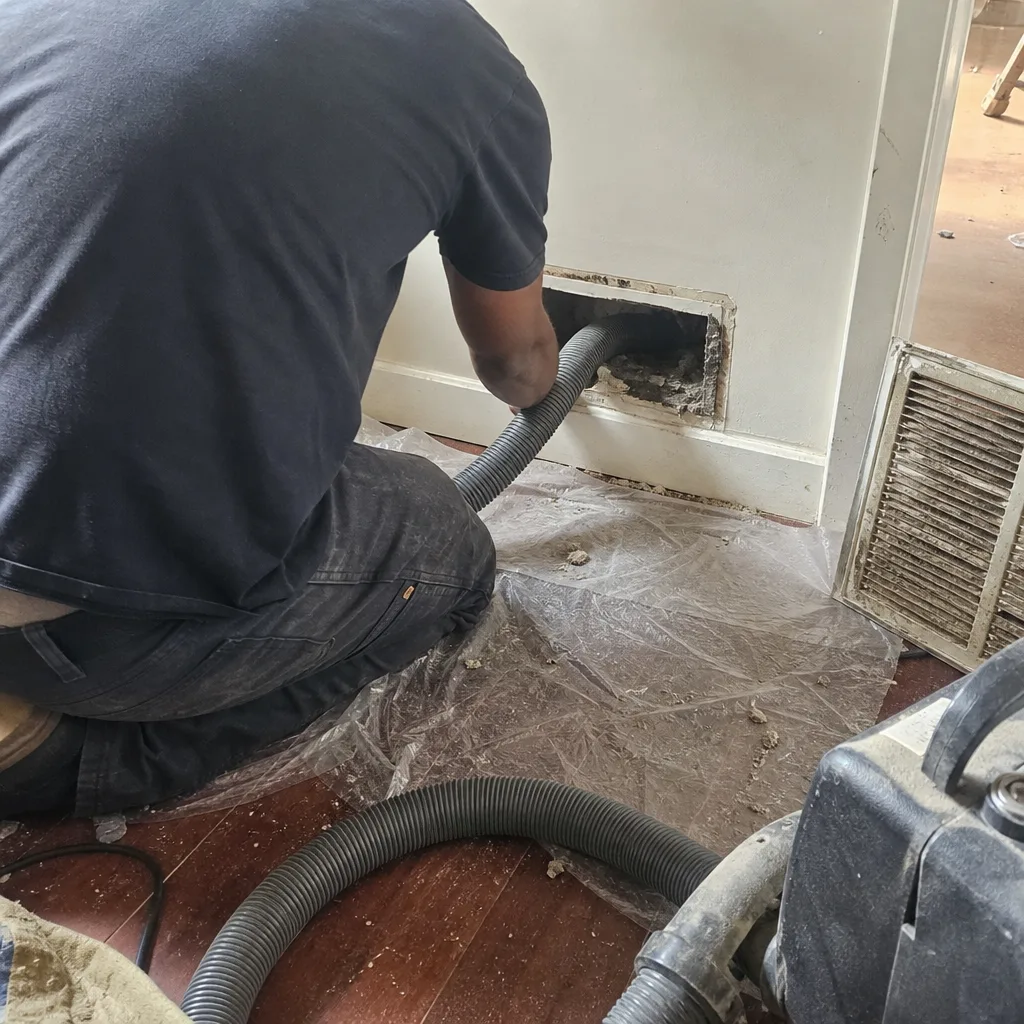
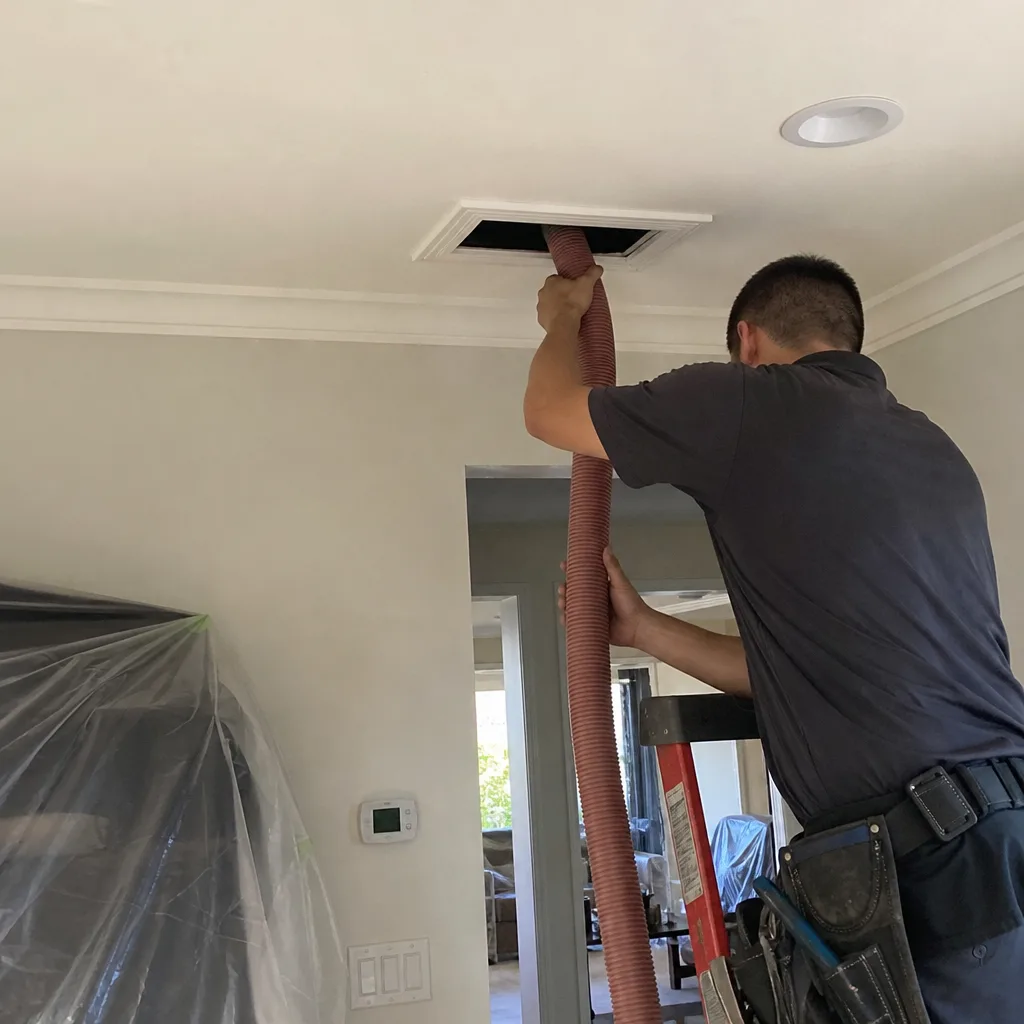
Whole-system duct and dryer vent check with before-and-after photos - you see exactly what came out of your vents
That "$99 whole-house special" is a bait ad - the real number appears once they are in your hallway, or the "clean" is a shop-vac at the register. We photograph the inside of your ducts before and after instead.
Air Duct Cleaning Maintenance Checklist for Carmel Valley Homeowners
Changing your filter every 90 days is standard advice, but Carmel Valley homeowners near open space corridors can load a MERV-11 filter to capacity in under 45 days during dry season. That means the rest of your maintenance checklist is already running behind before it starts. This guide gives you a month-by-month inspection calendar built around Carmel Valley’s actual seasonal events: marine layer mornings, Diablo wind events, and wildfire smoke intrusion windows. By the end, you’ll know exactly what to check yourself, what to log, and when a professional scope is the only sensible next step.
Styles & brands we work with
- Whole-home duct cleaning
- Dryer vent cleaning
- Camera inspection
- Sanitizing & deodorizing
Quick Answer
An air duct maintenance checklist for Carmel Valley homeowners means inspecting registers and returns monthly during dry season, replacing or cleaning filters based on actual loading rather than calendar dates, logging any odor or airflow changes with phone photos, and scheduling our Air Duct Cleaning services with a professional Rotobrush or Nikro cleaning every 3 to 5 years. Homes near open space or with pets should compress that interval to 2 to 3 years.
Table of Contents
- The Carmel Valley Seasonal Maintenance Calendar
- What You Can Actually Inspect at Registers and Returns
- Filter MERV Rating Selection for Carmel Valley Homes
- How to Document Duct Condition With Your Phone
- What a Technician Wants to See in Your Service Log
- Monitor-and-Wait vs. Call-Now Items
- What Homeowners Should Not Attempt Themselves
- Common Mistakes to Avoid
- When to Call a Professional
- Frequently Asked Questions
- The Bottom Line
The Carmel Valley Seasonal Maintenance Calendar
Carmel Valley does not have four equal seasons. It has four distinct air-quality regimes, and each one changes what your ducts are collecting. Here is the month-by-month schedule we recommend to homeowners in this specific microclimate.
June through September: Dry Season and Wildfire Smoke Windows
This is the critical period for Carmel Valley duct loading. Low humidity means dust stays airborne longer, and open-window habits during coastal morning hours pull in fine particulate from open space corridors. If there’s an active fire within 100 miles, smoke intrusion can coat duct interiors with a fine carbon film that normal filter changes will never address. Check visible duct interiors at registers every 30 days during this window, not every 90. If you see a fine gray-brown line forming at register edges, that is smoke particulate settling out of the airstream. A phone photo with a date stamp is your best documentation tool.
October and November: Diablo Wind Events
Diablo winds reverse the normal coastal airflow and push dry interior air over the coastal range into Carmel Valley. These events carry dust, pollen, and occasionally ash from the inland side. After any sustained Diablo wind event lasting more than 24 hours, inspect exterior intake locations and the nearest interior register. Wind-driven debris can accumulate at intake screens and restrict airflow before any filter ever sees it. This is also the season when homes with older flex duct see separation at connection points due to pressure differentials; a sudden localized drop in airflow after a wind event is a diagnostic clue worth logging.
December through March: Marine Layer and Elevated Indoor Humidity
The marine layer sits over Carmel Valley many mornings during winter, keeping outdoor humidity between 70 and 90 percent. When that air is pulled into ductwork and cooled further, condensation forms inside metal duct runs. The result is a thin dust-and-moisture slurry that dries into a crust on duct walls. This crust becomes a growth medium if organic material is present. In our experience, the homes that show the worst interior duct contamination in spring are the ones that ran their systems lightly all winter and never inspected. Run your fan for 10 minutes weekly even in mild weather, and check register areas for any musty odor on first startup after a cold morning.
April and May: Pollen Loading and Post-Winter Assessment
Carmel Valley sits in a transition zone where coastal scrub, oak woodland, and imported landscape species all release pollen at overlapping intervals. April is the month when ducts that collected winter moisture crust now accumulate spring pollen on top of it. This layering effect is why a cleaning scheduled in late spring often reveals far more material than the homeowner expected; see Air Duct Cleaning Troubleshooting: Common Problems and How to Fix Them for what to expect. April is also the right time to decide whether this is a cleaning year. If your service log shows no professional cleaning in 36 months or more, and you’ve had pets, water events, or any smoke exposure, schedule before the dry season begins.
What You Can Actually Inspect at Registers and Returns
You do not need tools, a borescope, or any technical training to perform a meaningful monthly inspection. You need a flashlight, your phone camera, and the willingness to get on your hands and knees at a few key locations. Here is what we tell Carmel Valley homeowners to check, in order of diagnostic value.
Step-by-Step Register Inspection
- Remove the register cover. Most residential registers lift straight out or have two screws. Set the screws in a small dish so they don’t roll into the duct.
- Shine the flashlight at an angle across the interior surface. You’re looking for texture. Clean sheet metal looks smooth. Contaminated duct looks fuzzy, crusted, or has visible debris lines parallel to airflow.
- Run your finger (with a glove if you prefer) along the interior surface. If it comes away with a gray-brown film that smears rather than dusts off, you’re looking at moisture-mixed particulate, not simple dust.
- Check the register itself. Look at the back side of the louvers. A dark coating on the trailing edge of each louver means material is being deposited as air exits – a sign of duct interior loading, not just ambient room dust.
- Repeat at the return. Returns show what is entering the system. Register inspection shows what is leaving it. Comparing the two tells you whether the ducts are adding material to the airstream or simply passing room air.
- Photograph everything. Date-stamp the images. These photos are your log entries and they are what a technician wants to review before quoting.
What Different Findings Mean
- Loose gray dust, easily blown away: Normal accumulation. Monitor and continue monthly checks during dry season.
- Dark gray-black film that smears: Moisture-mixed particulate or candle soot if you burn candles indoors. This does not brush off easily. Log it and consider a professional assessment.
- Visible debris lines running parallel to airflow: Material is being deposited at specific flow points. This suggests enough duct loading that the interior is no longer smooth, which changes airflow characteristics measurably.
- White or pale crystalline specks: Often drywall dust from construction or renovation work that predates your ownership. It can also indicate degrading duct liner in older systems. Note the location and check that register more frequently.
- Musty odor present only when the fan runs: This is a moisture event signature. It does not confirm mold growth, but it confirms conditions that can support it. This is a call-now item, not a monitor-and-wait item.
One important note: register inspection only shows the last 12 to 18 inches of ductwork. A clean register does not mean clean ducts. It means the air leaving that particular exit point is not carrying visible material at that moment. This is exactly why periodic professional inspection with equipment designed to see deeper into the system matters.
Filter MERV Rating Selection for Carmel Valley Homes
Filter MERV rating is the single most misunderstood variable in residential air systems. The wrong rating can damage airflow more than dirty ducts ever will. Here is how to choose correctly for your Carmel Valley household, because the standard 90-day MERV-8 advice applies to homes in mild, stable climates with no pets and no smoke exposure. That is not Carmel Valley in dry season.
MERV Ratings Explained Simply
MERV stands for Minimum Efficiency Reporting Value. Higher numbers capture smaller particles. But higher numbers also create more airflow resistance, and residential air handlers are designed around specific static pressure ranges. A MERV-13 filter in a system designed for MERV-8 forces the blower to work harder, reduces total airflow, and can cause the coil to freeze in cooling mode. In a Carmel Valley home running the fan continuously for circulation, an over-restrictive filter creates measurable energy waste and reduced comfort.
Choosing the Right Rating for Your Household Type
- No pets, no allergies, closed-window lifestyle with AC running much of summer: MERV-8 is sufficient. Replace every 60 to 90 days, but check at 45 days during dry season when open space corridor dust is airborne.
- One or more pets, light allergy symptoms: MERV-11 is the right balance of filtration and airflow for most residential systems. Expect to replace every 30 to 60 days during active shedding seasons and dry-season dust loading.
- Asthma, severe allergies, or a household member with respiratory sensitivity: MERV-13 is appropriate only if your system was installed or retrofitted to handle the static pressure increase. If you don’t know whether it was, ask before upgrading. Some systems handle MERV-13 without issue; others choke on it within weeks.
- Open-window habits during marine layer mornings or temperate evenings: You are pulling unfiltered outdoor air directly into the home, bypassing the HVAC system entirely. No filter rating compensates for open windows. Adjust the habit or accept that duct loading will accumulate faster regardless of filter choice.
- Wildfire smoke active within 100 miles: A temporary MERV-13 in a system that normally runs MERV-8 can provide meaningful smoke particle capture, but only if the system tolerates the pressure drop. Check airflow at registers within 48 hours of the upgrade. If you notice reduced output, drop back to MERV-11 and close windows during active smoke hours.
Why the Wrong Rating Can Damage More Than Help
An over-restrictive filter does not just reduce airflow. It increases negative pressure on the return side, which can pull unfiltered air through any small gap in the duct system. In a Carmel Valley home where the ductwork runs through an unconditioned attic or crawlspace, those gaps pull in whatever is in that space: insulation fibers, dust, rodent debris. The homeowner upgrades to MERV-13 for health reasons and inadvertently increases the contaminant load entering the system through leaks. This is exactly the kind of interaction a professional inspection catches, and exactly the kind of thing that a simple filter swap never addresses.
If you have a Honeywell or Aprilaire whole-home air quality system, your filter media is likely a thicker, higher-capacity format than a standard 1-inch filter. These systems are designed for MERV-11 to MERV-16 media without the same airflow penalty, because the media surface area is many times larger. Do not substitute a standard 1-inch filter in a Honeywell or Aprilaire cabinet; it will not seat correctly and will bypass air around the media.
How to Document Duct Condition With Your Phone
Your phone camera is the single most useful maintenance tool in the house. A technician can look at a dated photo sequence and understand more about your system’s history than a verbal description ever provides. Here is the simple documentation protocol we recommend to Carmel Valley homeowners.
- Choose two or three reference locations. Pick the register nearest the air handler, the return nearest the living area, and one register in the bedroom area. These become your standing inspection points. Consistency matters more than covering every room.
- Photograph at the same angle each time. Same position, same flashlight direction, same approximate distance. This makes change visible across time.
- Use your phone’s date-stamp feature or rename the file with the date. A sequence of images all showing “IMG_4821” tells a technician nothing. A folder labeled by month tells a story.
- Add a one-line note for anything unusual. “Whistling noise at this register after Diablo wind event” or “Musty smell on first fan start after marine layer morning” are far more useful than “checked, all fine.”
- Keep filter change records in the same place. Either in a note app, a physical log near the air handler, or a photo of the old filter next to the new filter package showing the date and MERV rating.
- Photograph any water events. If anything leaks near the air handler, floods a closet, or stains a ceiling below ductwork, photograph it before cleanup. Water events are the single biggest predictor of future duct contamination issues, and the photo establishes a timeline.
What a Technician Wants to See in Your Service Log
When you call Maple Air Duct home for an assessment, here is what we’re hoping you have handy. None of this is required to get service, but all of it makes the difference between a generic cleaning and a diagnostic visit that finds the actual problem.
- Filter change dates and MERV ratings for the past 24 months. This tells us whether the system has been running with adequate filtration and whether airflow resistance has been effectively managed.
- Any past water events near the air handler or above duct runs. Water staining, overflow pan trips, condensation line clogs, roof leaks. These events leave signatures inside ductwork long after the visible damage is repaired.
- Your register inspection photos, even if they all show “nothing.” A clean photo sequence is itself diagnostic. It tells us the system has been monitored and that current conditions developed within a known timeframe.
- Any remodeling or construction work performed inside the home in the past five years. Renovation dust enters ducts regardless of how well the work area was sealed. The timing tells us how much of the current load is construction-compounded.
- Pest issues, past or present. Rodent activity in attics or crawlspaces where ductwork runs is extremely common in Carmel Valley’s natural setting. Droppings, nesting material, and urine residues require more than standard cleaning.
- Service history from any previous HVAC or duct cleaning company. Even a simple invoice with a date tells us what was done, what was skipped, and what the previous technician likely found.
This is the information set that lets a professional technician separate a routine cleaning from a situation that requires Air Duct Repair in Carmel Valley. When we know the history, we can target the inspection. When we’re flying blind, we have to look everywhere, which costs time and often misses the specific failure point that caused the visible symptom in the first place.
Monitor-and-Wait vs. Call-Now Items
Not everything you find at a register is an emergency. Most findings are monitor-and-wait conditions that respond to consistent logging and a scheduled cleaning at the appropriate interval. But a small number of findings are genuine call-now signals that indicate active problems, not passive accumulation. Here is how to separate the two.
Monitor-and-Wait Items
- Loose gray dust at registers and returns. Normal accumulation, especially during dry season. Clean the register cover and continue monthly checks.
- Mild but consistent airflow asymmetry between rooms. Some difference is normal in nearly every system. Log which rooms feel weaker and whether the pattern changes with the seasons. If it’s stable, it’s likely a design characteristic, not a failure.
- Intermittent dust film on furniture surfaces that returns quickly after cleaning. This can indicate duct loading, but it can also indicate a leaky return pulling attic or crawlspace air. Log it, photograph your register interiors, and discuss at your next professional visit.
- Hair and pet fur accumulating at the return grille. This is actually a sign the filtration is working. Clean the return grille surface regularly and check the filter loading more frequently.
- Seasonal pollen accumulation on window sills and horizontal surfaces. This is outdoor material entering through open windows and doors. It does not implicate the duct system unless you see the same material inside registers.
Call-Now Items
- Musty, wet, or decomposition-like odor that appears only when the fan runs. This signals moisture inside the duct system or at the air handler. The source needs professional identification. Do not attempt to mask it with register deodorizers, which add material to the airstream and complicate diagnosis.
- Visible mold-like growth on any register, return, or visible duct surface. This is a health and structural issue, not a maintenance item. It also often indicates an active moisture source that must be fixed before any cleaning has lasting value.
- Sudden, persistent airflow loss in one room or zone after a wind event, maintenance, or pest activity. Flex duct can separate at connection points in attics. Rodents chew through duct walls. Both conditions waste conditioned air into unconditioned space and pull unfiltered air into the system.
- Whistling, banging, or rhythmic flapping sounds from the duct system. These indicate airflow restriction, loose duct wall material, or debris moving inside the ducts. They are not normal and they rarely resolve on their own.
- Visible pest droppings at any register or return. Rodent activity inside ductwork is a health hazard, not a cosmetic issue. The ducts need professional assessment and the pest entry point needs identification and sealing.
- Water staining on ceiling or wall surfaces below duct runs. Condensation is escaping the duct system or a leak is present. Either way, the water path inside the building envelope is active and moving.
We understand the temptation to wait and see on items like these. We’ve seen what happens when homeowners wait six months on a musty odor. The scope of work expands from a straightforward Air Duct Cleaning in Carmel Valley to a more involved remediation scenario. The earlier the assessment, the smaller the intervention.
What Homeowners Should Not Attempt Themselves
A maintenance checklist includes knowing what not to do. Some duct-related tasks carry genuine safety risk or can make the underlying problem worse. Here is the short list of things to leave to a professional.
- Do not attempt to clean duct interiors yourself with household tools. A shop vac with a long hose does not have the reach, agitation, or filtration to clean ductwork effectively. It can also tear flex duct interiors, dislodge connections, or push material deeper into the system. This is the core reason professional equipment like Rotobrush and Nikro systems exist: they are designed for exactly this task.
- Do not use chemical foggers, deodorizers, or “duct bombs” sold at hardware stores. These products add volatile compounds to the airstream without removing the source material. They mask odors temporarily and make professional assessment more difficult.
- Do not seal registers closed in unused rooms to redirect airflow. Residential systems are not designed for this. Closing too many registers raises static pressure and can produce the same over-restriction problems as a too-high MERV filter. It can also create condensation issues in the sealed-off runs.
- Do not attempt to repair separated flex duct in attics or crawlspaces unless you are experienced with HVAC systems and have proper PPE. Attic work in Carmel Valley summer conditions is genuinely dangerous, and improper reconnection simply fails again. This is a task for a professional.
- Do not attempt to access your air handler’s internal coil surfaces for cleaning. The coil is delicate, expensive to replace, and surrounded by electrical components. Coil cleaning is a trained task, not a maintenance chore.
The line between maintenance and service is real. Your checklist work is about inspection, documentation, and filter hygiene. The physical work inside the system belongs to trained technicians with equipment built for the job.
Common Mistakes to Avoid
- Changing the filter on a fixed calendar schedule without ever looking at it. In Carmel Valley, dry-season dust loading can clog a filter weeks ahead of schedule, while a mild marine layer season can leave a filter visually clean past 90 days. Look at the filter, then decide. The calendar is a fallback, not the system.
- Upgrading to a high-MERV filter without checking system compatibility. The intent is better filtration. The result is often reduced airflow, higher energy cost, and increased leakage through duct gaps. Verify compatibility before upgrading.
- Ignoring the return side entirely. Most homeowners only look at supply registers. The return is where unfiltered air enters the system, and it’s where many contamination sources show up first. Inspect both.
- Treating register deodorizers as a solution for persistent odors. A smell that keeps returning has a source. Masking it adds chemical compounds to your indoor air and delays the actual fix. Find the source; don’t cover it.
- Assuming a clean register means clean ducts. Register inspection only shows the last foot or two of the run. Professional assessment uses equipment designed to see and clean the full length of the system.
- Dismissing dryer vent cleaning as an afterthought. Your dryer vent is a separate system from your air ducts, but it carries the same fire-safety stakes. NFPA data identifies dryer vents as a leading cause of residential house fires. Dryer Vent Cleaning in Carmel Valley deserves the same maintenance discipline as your HVAC ducts.
- Failing to log anything. Memory is not a maintenance system. A phone photo with a date and a one-line note is worth more than a detailed verbal recollection six months later. Document or it didn’t happen.
When to Call a Professional
Schedule a professional assessment when you see any call-now item from the list above: musty odor on fan start, visible mold-like growth, sudden airflow loss, pest evidence, or water staining near duct runs. Schedule a professional cleaning when your service log shows 36 months or more without one, when you’ve had a water event near the air handler, when you’ve completed renovation work that could have introduced construction dust, or when dry-season smoke exposure has been significant. The assessment itself is a diagnostic step, not a commitment. Maple Air Duct offers free estimates in Carmel Valley. Call (855) 338-0352 to schedule an assessment, and bring whatever documentation you have. A 10-minute inspection with a photo sequence in hand tells us more than a 45-minute inspection without one.
Frequently Asked Questions
Most Carmel Valley homes need professional air duct cleaning every 3 to 5 years. Homes near open space corridors, homes with pets, and homes that have experienced wildfire smoke intrusion or water events should compress that to 2 to 3 years. The interval is shorter than national averages because Carmel Valley’s dry-season dust loading and marine-layer moisture cycles create layered contamination that accumulates faster than in more stable climates. Call (855) 338-0352 for a free assessment if you’re unsure where your system falls.
No. A household shop vac does not have the reach, agitation capability, or filtration to clean duct interiors effectively, and it can damage flex duct or push material deeper into the system. Professional duct cleaning uses equipment like Rotobrush and Nikro systems that are built specifically for full-length duct agitation and extraction. Attempting it yourself typically creates a mess without solving the underlying loading problem.
Carmel Valley dry season combines low humidity, open-window habits, and airborne dust from open space corridors. These conditions keep fine particulate suspended in the air longer, which means more material reaches the filter in less time. Homes near natural open space regularly see filter loading in 30 to 45 days during dry season, even with no other changes to household activity.
MERV-11 is the right starting point for households with pets and mild allergy symptoms in Carmel Valley. It captures pet dander and pollen effectively while maintaining airflow characteristics that most residential systems can handle. MERV-13 is appropriate only after confirming your system’s static pressure tolerance, especially if you have a Honeywell or Aprilaire whole-home filtration cabinet designed for higher-MERV media. Over-restrictive filters reduce airflow and can make conditions worse.
The most verifiable proof is before-and-after photo documentation of the interior duct surfaces, taken with the same equipment at the same locations. Reputable companies capture this documentation because it demonstrates the work. You should also expect to see the removed material, hear a measurable airflow difference at registers after cleaning, and receive a service summary describing what was found and what was done. If a company cannot show you before-and-after photos of your own ducts, ask why.
Yes, and for two separate reasons. First, it’s operationally efficient: the technician is already at the property with professional equipment. Second, your dryer vent carries independent fire-safety stakes. NFPA data consistently identifies dryer vents as a leading cause of residential house fires, and the lint accumulation rate in Carmel Valley homes with heavy laundry use justifies annual inspection regardless of when you last cleaned your air ducts. Call (855) 338-0352 to schedule both services together.
The Bottom Line
A duct maintenance checklist for Carmel Valley is not a reminder list, it’s a diagnostic schedule. Inspect registers and returns monthly during dry season. Choose your filter MERV rating based on household type and system compatibility, not marketing claims. Document everything with dated photos and one-line notes. Learn the difference between monitor-and-wait findings and call-now signals. And when the log tells you it’s time, call a company that brings professional-grade equipment and the ability to repair what the inspection finds. The goal is not just cleaner ducts. The goal is knowing your system well enough that you never wonder whether it’s working against you. For more guides & resources, explore our blog.
Written by the team at Maple Air Duct, serving Carmel Valley since 2017.
See the difference
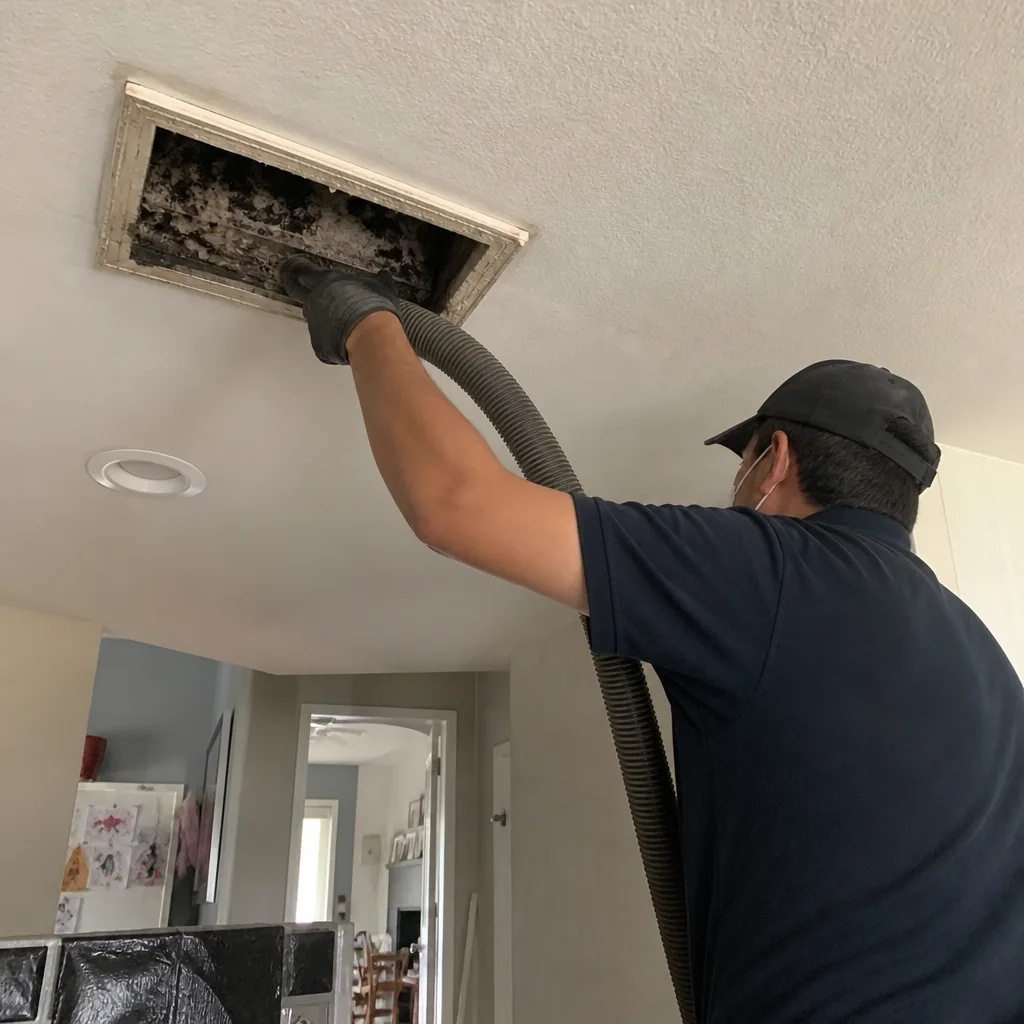 Before
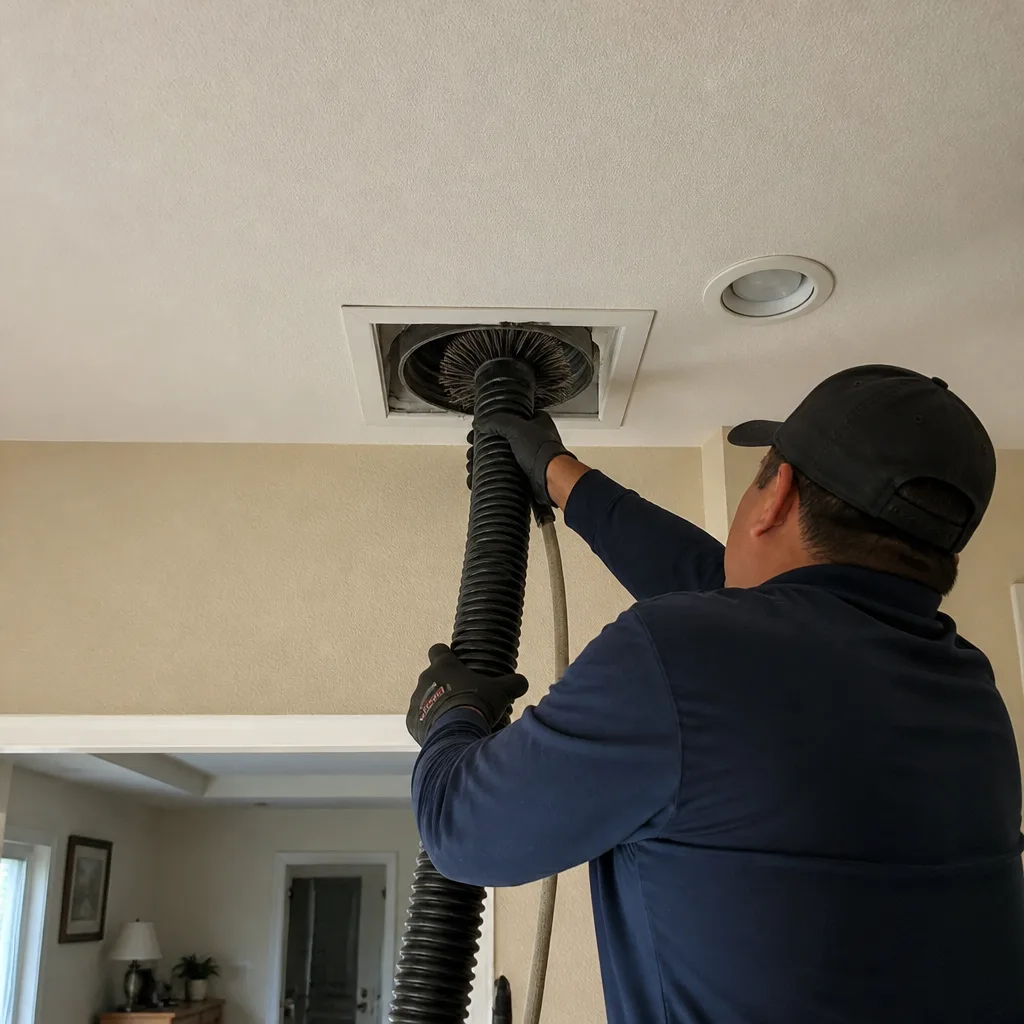 After
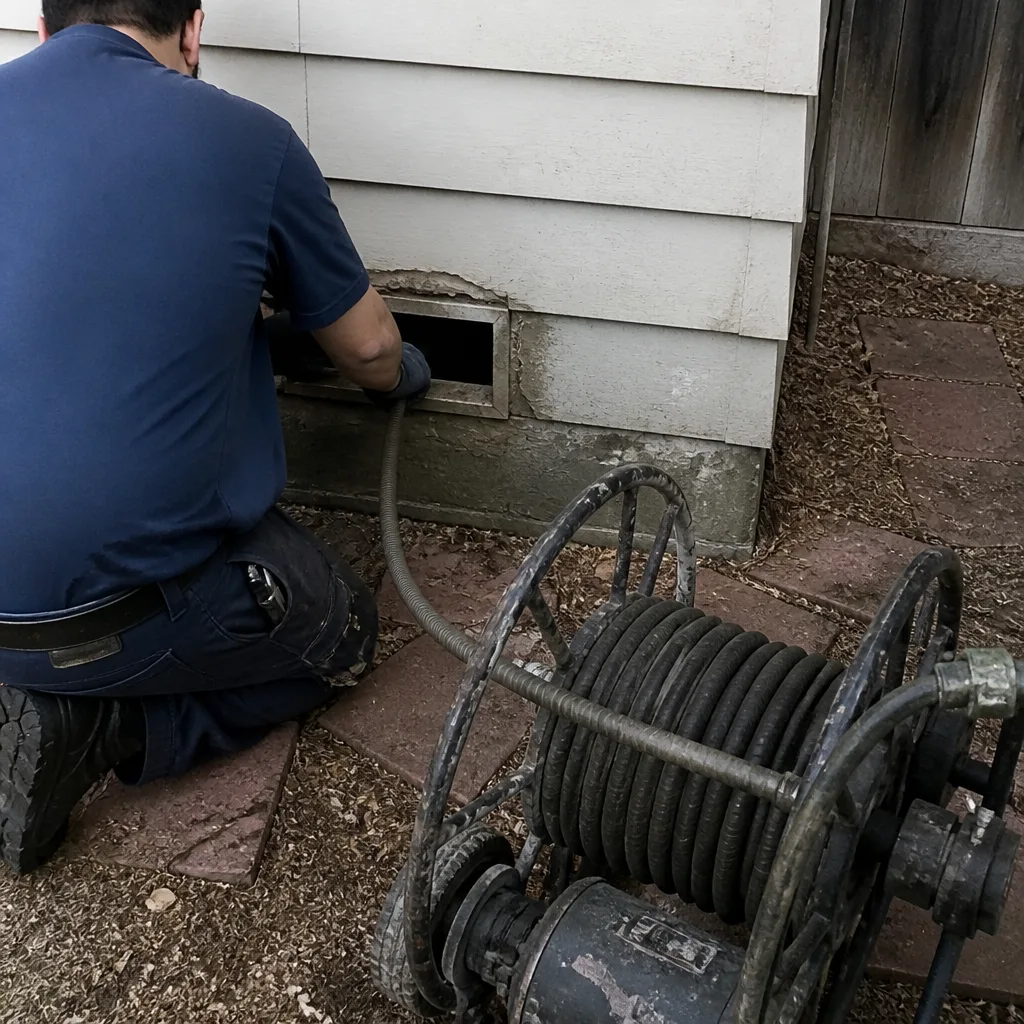 Before
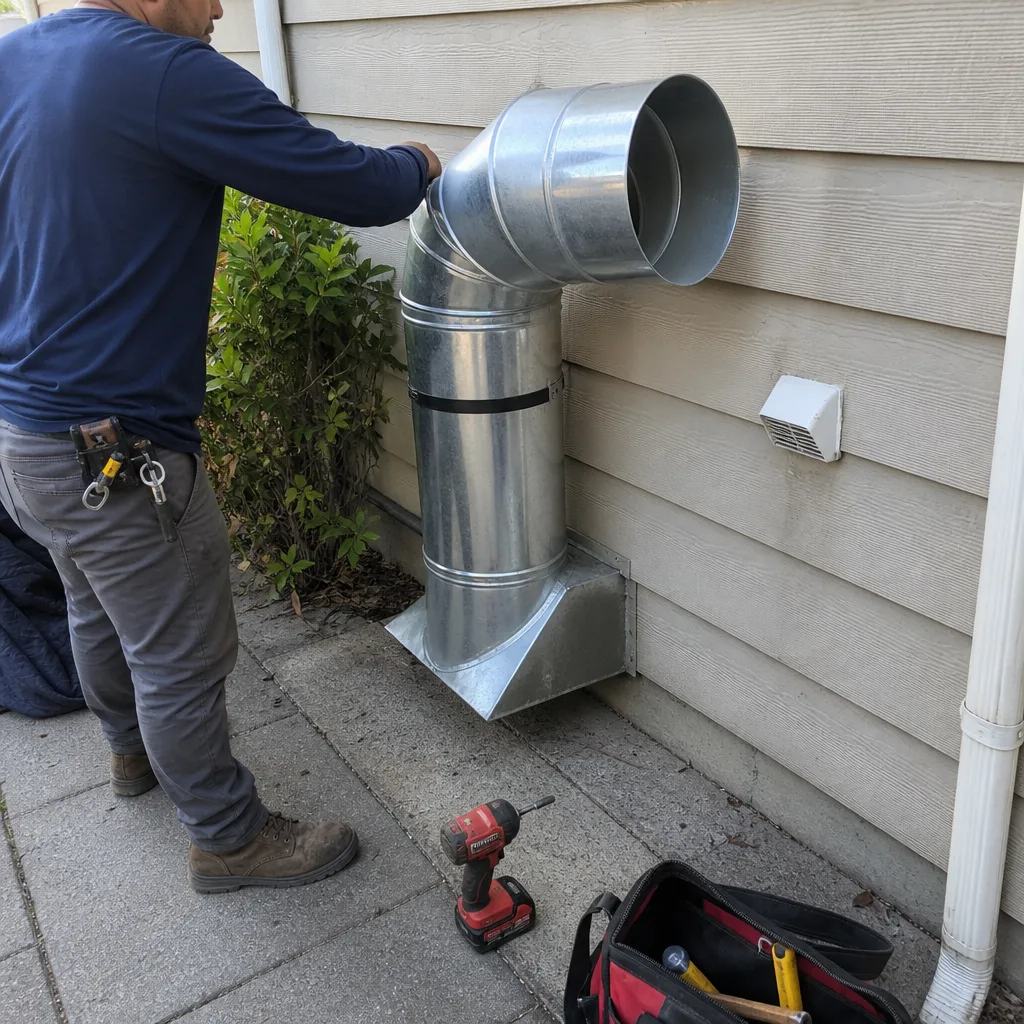 After
 Before
 After