
Last updated November 2, 2026
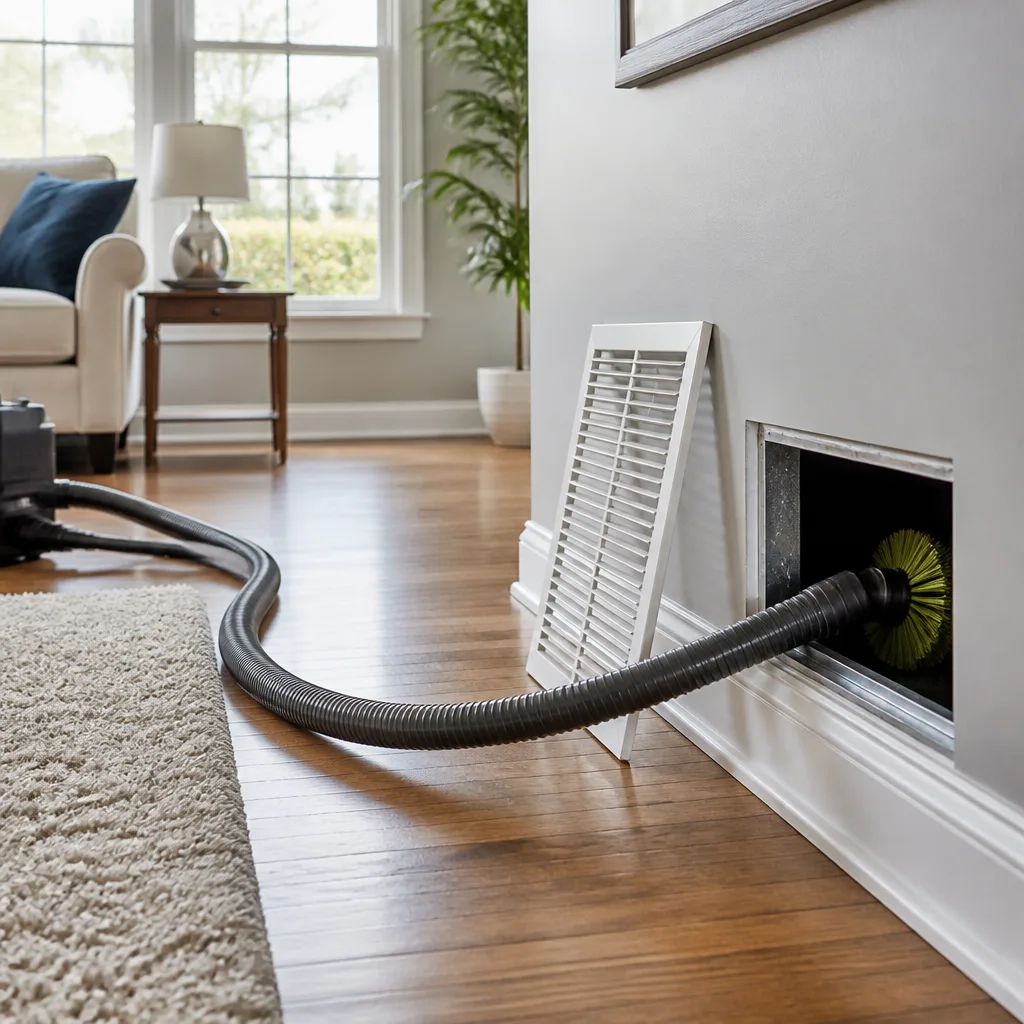 Whole-home duct cleaning
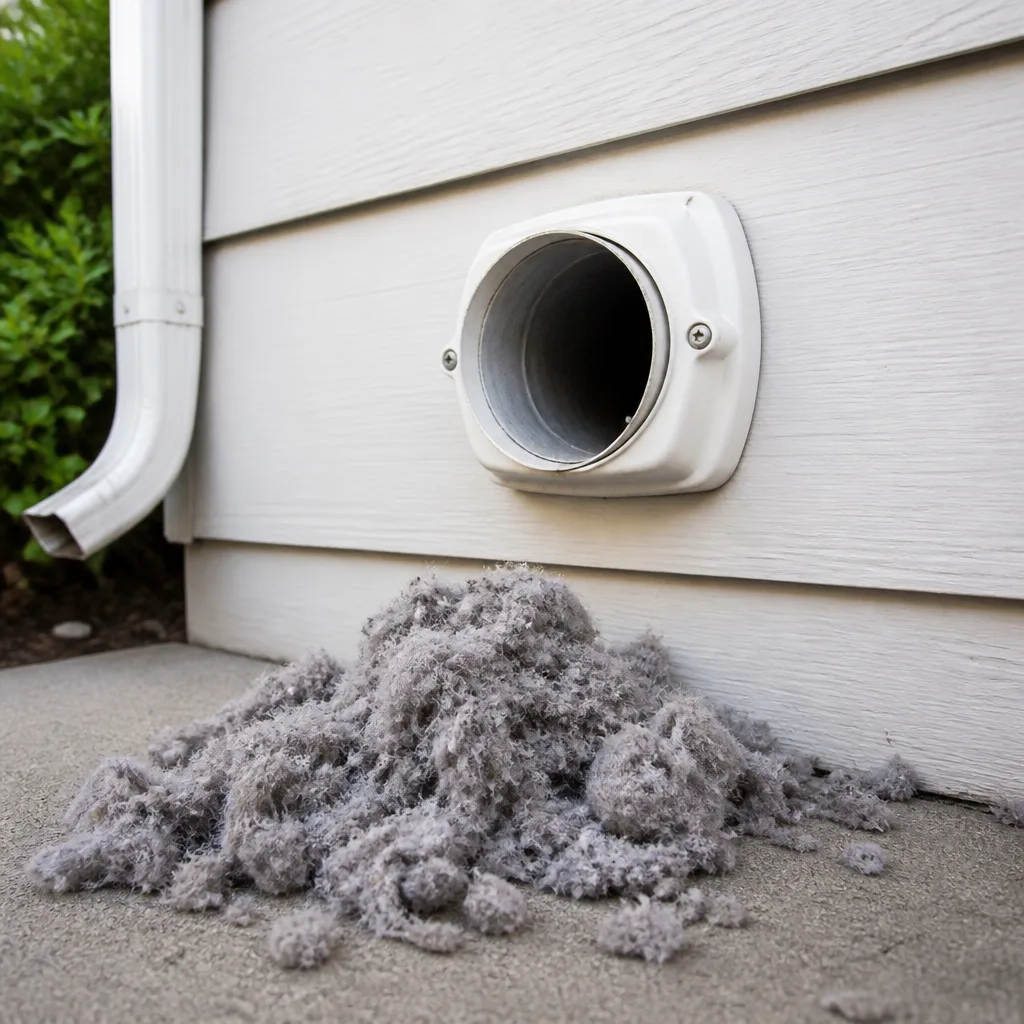 Dryer vent cleaning
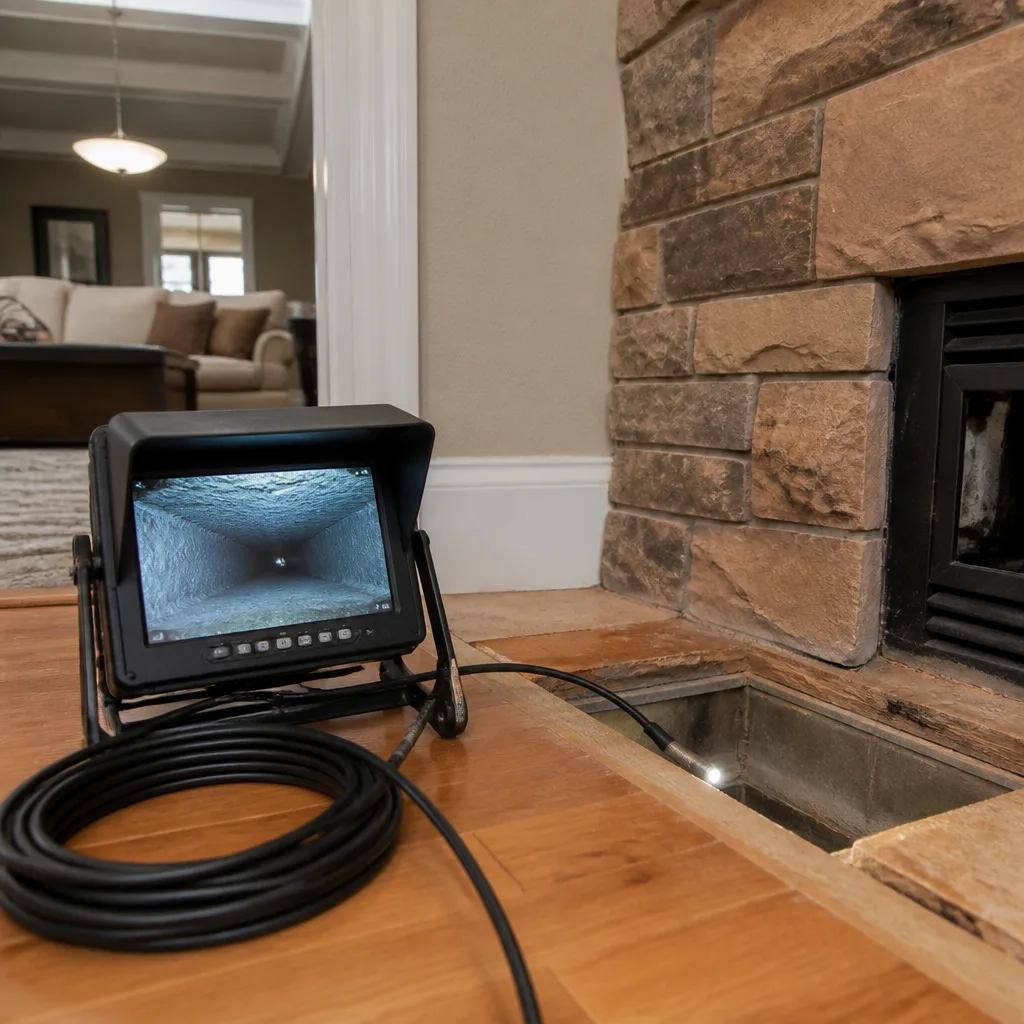 Camera inspection
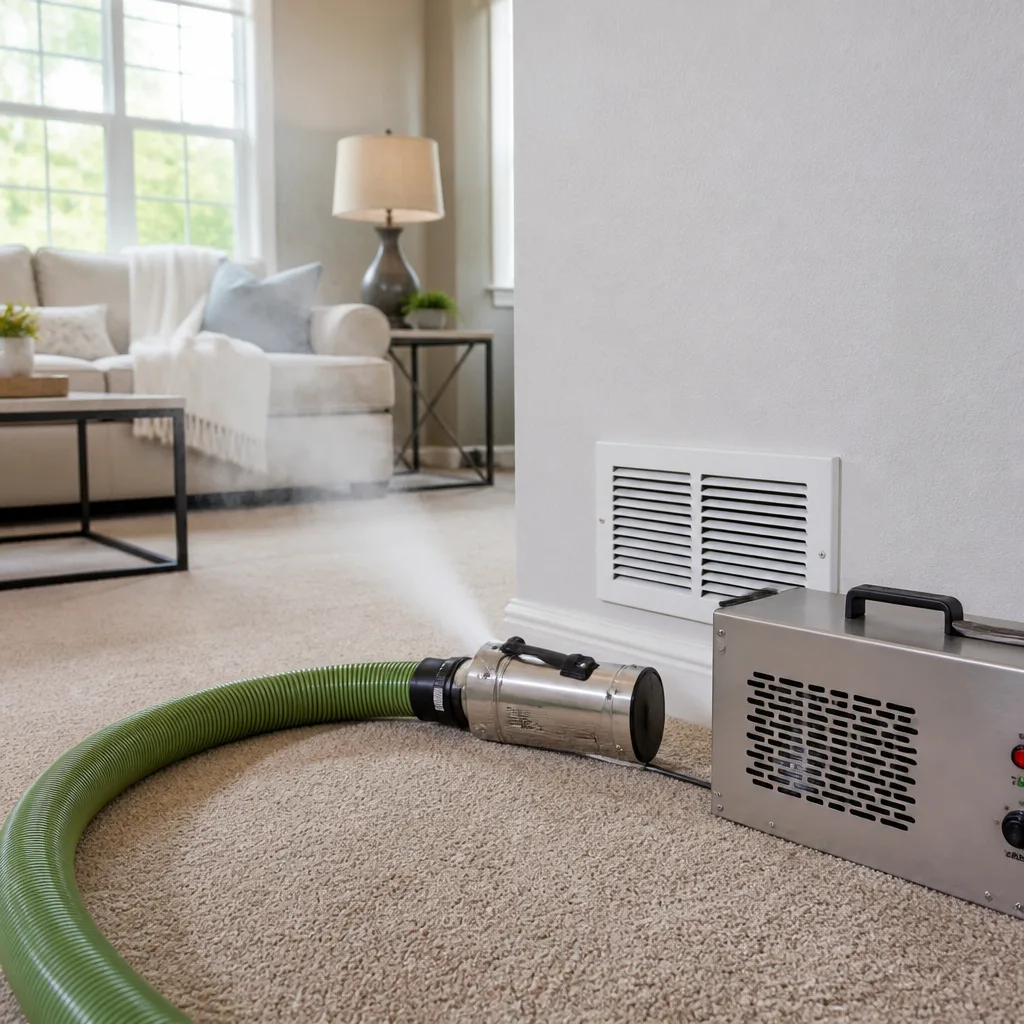 Sanitizing & deodorizing
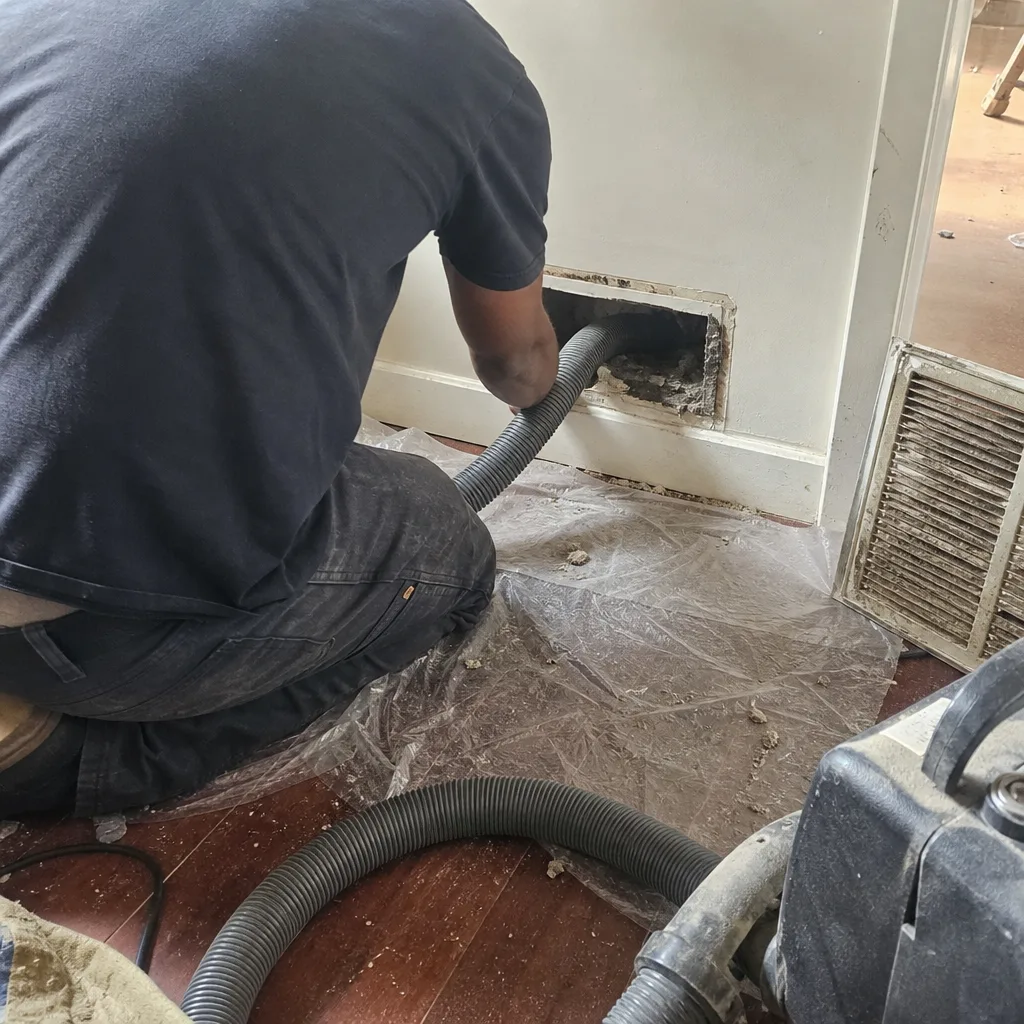
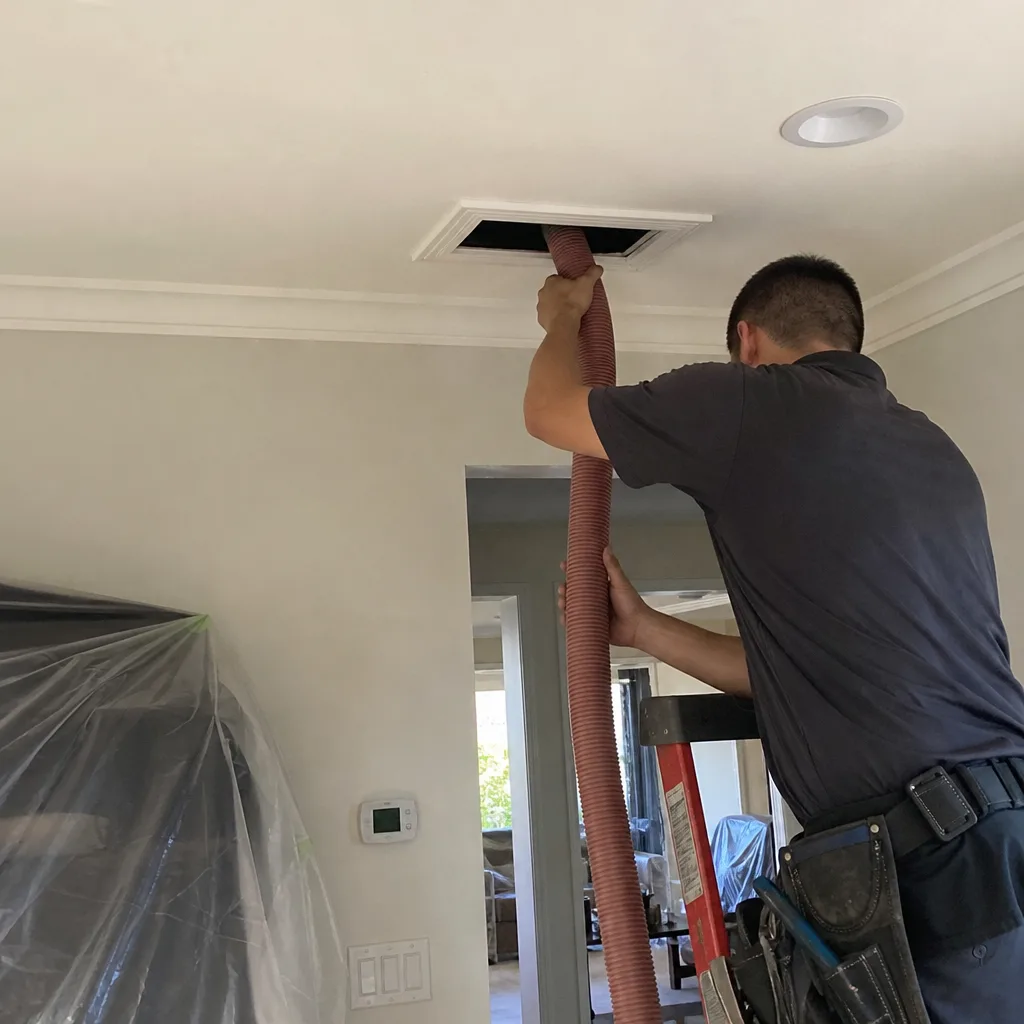
Whole-system duct and dryer vent check with before-and-after photos - you see exactly what came out of your vents
That "$99 whole-house special" is a bait ad - the real number appears once they are in your hallway, or the "clean" is a shop-vac at the register. We photograph the inside of your ducts before and after instead.
Seasonal Air Duct Cleaning Care for Carmel Valley: Year-Round Homeowner’s Guide
Most homeowners in Carmel Valley schedule duct cleaning the way they schedule a dental checkup – once a year, whenever the reminder card shows up. The problem with that approach here is that Carmel Valley doesn’t run on a generic calendar. It runs on four distinct environmental cycles: the marine layer season, the wildfire smoke season, the dry particulate season, and a brief reset window. Each one deposits something different into your ductwork, and each one requires a different kind of attention. Scheduling in January because “it’s the new year” means you’ve already missed the post-wildfire-smoke window and you’re cleaning right before the marine layer moisture season that creates the mold conditions worth actually addressing. This guide walks through the timing, the reasoning, and the specific tasks that make Air Duct Cleaning in Carmel Valley genuinely effective.
Quick Answer
Seasonal air duct cleaning in Carmel Valley should follow the area’s four environmental cycles rather than a generic annual schedule. The highest-value cleaning window is late October through November, after wildfire smoke season ends and before your heating system sees heavy winter use. Secondary tasks – filter upgrades, register checks, moisture inspections, and plenum cleaning – are best spaced across spring and summer to address marine layer humidity and dry particulate accumulation as they occur.
Styles & brands we work with
- Whole-home duct cleaning
- Dryer vent cleaning
- Camera inspection
- Sanitizing & deodorizing
Table of Contents
- What Carmel Valley’s Real Seasons Mean for Your Ducts
- Why Late October to November Is the Highest-Value Cleaning Window
- Marine Layer Moisture and Duct Damage: May Through September
- Preparing Ducts Before Wildfire Smoke Events
- What to Do Within 30 Days After a Significant Smoke Event
- Spring Maintenance: What to Inspect Before AC Season
- Radiant Heat, Mini-Splits, and ERV/HRV Maintenance
- Common Mistakes to Avoid
- When to Call a Professional
- Frequently Asked Questions
What Carmel Valley’s Real Seasons Mean for Your Ducts
Carmel Valley doesn’t experience winter in any meaningful sense. No freezing pipes, no snow melt, no furnace running for five months straight. What it has instead is a rhythm that most duct cleaning advice – written for Midwestern or Northeastern homes – completely ignores. Understanding this rhythm is the difference between cleaning your ducts at the right time and cleaning them at a time that feels productive but accomplishes little.
The four cycles that actually matter for ductwork in Carmel Valley are:
- Marine layer season (May through September): Coastal fog pushes inland overnight and burns off by mid-morning. This means sustained elevated humidity for weeks at a time, especially in homes on the western side of Carmel Valley closer to the coast. That moisture interacts with flexible duct insulation facing, promotes microbial growth on interior liner surfaces, and can cause duct board to swell if it’s already compromised.
- Wildfire smoke season (August through October): Inland fires – from the Diablo Range, the Santa Lucias, or further north – send fine particulate matter into the valley. This smoke gets pulled through return registers and deposited along duct walls, plenums, and coil surfaces. What most homeowners don’t realize is that smoke residue is oily, which means ordinary vacuuming won’t remove it. It adheres.
- Dry particulate season (November through April): Once the Santa Ana and Diablo wind patterns pick up, airborne dust, fine soil, and allergens move through homes at higher volume. This is a dry deposition layer – lighter than smoke residue, but it accumulates steadily in returns and supply runs, especially in homes with pets or older carpeting.
- Reset window (late October through early November): This is the brief overlap period when smoke season has ended but heating demand hasn’t peaked. It’s the strategic gap for deep cleaning because debris load is at its annual maximum and the system is about to enter its highest-use months.
In our experience working in homes across Carmel Valley – from the flatter eastern sections to the hillier western slopes – homes closer to Highway 1 and the Carmel River lagoon see more moisture-related duct issues, while homes further inland near Garland Ranch see more dry particulate buildup. Proximity to the coast genuinely changes what’s accumulating in your system, which is why blanket advice about “cleaning every three to five years” isn’t precise enough for this area.
Why Late October to November Is the Highest-Value Cleaning Window
The single most strategic time to schedule a full air duct cleaning in Carmel Valley is between late October and mid-November. This isn’t a matter of preference. It’s a matter of debris load and system demand intersecting at exactly the wrong moment for your indoor air quality and exactly the right moment for intervention.
Here’s what has accumulated in your ducts by late October:
- Five to six months of marine layer moisture sitting against duct liner surfaces, which means any microbial growth that was going to take hold has taken hold.
- Eight to ten weeks of wildfire smoke particulate – the oily, adhesive kind that regular filter changes don’t fully address.
- Four to five months of fine dry particulate from the summer’s low-wind period, when dust settles rather than blows through.
- Pet dander, skin cells, and textile fibers that have been recirculating through the system since spring.
And here’s what happens next: your heating system starts cycling heavily in late November as nights in Carmel Valley drop into the 40s. The first few weeks of heat push all that accumulated material off duct walls and through your supply registers, coating surfaces you’ll then dust for the next three months. More importantly, if any moisture-related liner damage has occurred, the first sustained heat cycle accelerates the off-gassing of whatever has been growing in that material.
Cleaning in this window achieves three things at once. It removes the maximum debris load of the year. It eliminates biological material before the heating cycle activates it. And it means your system enters the six months of highest HVAC use clean rather than perpetually dirty. If you’re only going to do one deep clean per year, this is the window. Doing it in January means you’ve already run the contaminated air through your house for six to eight weeks, and the cleaning now only addresses a portion of what it would have addressed in early November.
For homeowners who want to verify the work was done properly, we recommend asking any company you hire whether they use professional-grade equipment – Nikro and Rotobrush systems are the standard for this kind of deep cleaning, not consumer-grade alternatives. The difference matters when you’re removing adhered smoke residue rather than loose surface dust. That residue won’t come out with a repurposed shop vac; it requires the agitation and extraction power of systems built for remediation-grade work.
Marine Layer Moisture and Duct Damage: May Through September
The marine layer is the defining weather feature of Carmel Valley summers. What visitors see as pleasant morning fog is, for your ductwork, five months of sustained elevated humidity. The relative humidity inside unconditioned duct runs – especially in crawlspaces and attics – tracks closely with outdoor conditions, which means May through September is a prolonged moisture exposure event for your system.
The component most vulnerable is flexible duct insulation facing. The outer vinyl or foil facing develops pinholes over time from thermal cycling, and once moisture penetrates that facing, the fiberglass insulation batts inside act like a sponge. You can’t see this from inside the registers. You see it only when a duct run is opened or a camera scope is run through the line. What starts as small areas of compressed, moisture-logged insulation becomes, over two or three marine layer seasons, a full section of duct that’s lost its R-value and is holding moisture against the inner liner.
Visual signs of early moisture damage that homeowners can spot before it becomes a repair problem:
- Darkened or mottled patches on duct liner visible at return openings or register boots – this is the first visible sign that moisture has been present long enough to alter the material.
- Staining on ceiling drywall adjacent to or directly below attic duct runs – condensation on the exterior of poorly insulated flex duct drips onto drywall and shows up as patches, often mistaken for roof leaks.
- Musty odor that spikes in the morning – if you notice a mildew-adjacent smell when your system first kicks on in the early hours, when the marine layer is at its thickest, that’s almost certainly moisture-related duct liner degradation, not a housekeeping issue.
- Persistent dust film on supply registers that returns within 48 hours of cleaning – degraded liner sheds particulate continuously, and the shedding accelerates as the material dries and breaks down.
If you see any of these signs, the issue is beyond the scope of cleaning. Cleaning removes debris; it does not restore compromised insulation or reseal a deteriorating liner. That’s where air duct repair in Carmel Valley comes in. The full-scope advantage of a company that both cleans and repairs is that when a camera scope reveals moisture-compromised duct sections during a cleaning, the work doesn’t stop at diagnosis. Clean it, repair it, done. Competitors who only clean will flag the issue and leave you to find another contractor for the repair – which often means it never gets done.
Preparing Ducts Before Wildfire Smoke Events
Our Air Duct Cleaning Emergency Preparedness Guide for Carmel Valley Homes notes that wildfire smoke season is no longer a question of “if” but “when.” The dry Diablo wind pattern that runs from late summer through early autumn pulls smoke from fires in the Diablo Range, the Santa Lucias, and sometimes further north in the Coast Ranges. When that smoke settles into the valley, your HVAC system becomes the primary filter for the air you’re breathing indoors – and most systems are not prepared for it.
Preparing your ducts and HVAC system before smoke season means addressing the points where unfiltered air enters and where particulate accumulates:
- Replace all standard filters with MERV 13 or higher – this is the single highest-impact change for smoke season. A standard MERV 8 filter, which is what most homes run, captures less than 20% of the fine particulate in wildfire smoke. MERV 13 captures 50-80%. If your system is compatible with Honeywell or Aprilaire whole-home filtration, that’s the better option – those media cabinets are designed for exactly this scenario and hold significantly more filter surface area than a standard 1-inch slot.
- Verify return grille seals are intact – every return grille in your home should have a tight, gasketed fit against the wall or floor opening. If air can slip around the grille frame, it bypasses your filter entirely. This is a five-minute check that most homeowners never do.
- Seal unused registers in rooms that are closed off or rarely conditioned – particularly in bonus rooms, garages, or guest suites. Register sealing during smoke season reduces the pathways smoke-laden air uses to enter the system.
- Confirm all duct access doors and end caps are seated properly – attic and crawlspace duct runs should have no open sections where smoke can infiltrate the line directly.
- Run the system fan continuously during daytime smoke events – not intermittently on the thermostat’s auto setting. Continuous circulation keeps air moving through the filtration media, which removes more particulate than cycles of on-and-off operation, even if the temperature doesn’t call for heating or cooling.
One point worth making clearly: filters capture smoke particulate, but smoke that bypasses filtration or settles during off-cycles adheres to duct walls, plenums, and the evaporator coil. Filter upgrades reduce exposure during the event; they don’t eliminate the need for post-season cleaning. When smoke season ends, the residue is still in your system. That’s the argument for the late-October cleaning window made in the section above.
What to Do Within 30 Days After a Significant Smoke Event
Once smoke clears from the Carmel Valley air, the temptation is to open windows, run the fan, and move on. That’s a mistake. Wildfire smoke leaves an oily residue on every surface it touches inside your duct system, and that residue doesn’t dissipate – it remains until it’s physically removed.
Here’s a 30-day post-smoke protocol that follows any significant smoke event, which we define as three or more consecutive days of visible haze or an Air Quality Index reading above 150:
- Replace all filters immediately – even a MERV 13 filter that’s been running through two weeks of smoke is saturated. Leaving a loaded filter in place means your system is recirculating through accumulated particulate, and airflow is restricted, which stresses the blower motor.
- Visually inspect return grilles and register boots – smoke residue shows up as a faint gray-brown film. If you see it on register surfaces, it’s layered through the entire duct run behind that register.
- Schedule a professional duct cleaning – a full system clean that includes the supply runs, return runs, plenums, and the evaporator coil. This is not a job for a handyman with a portable vacuum. Smoke residue requires the agitation power of a Nikro or Rotobrush system to break the bond between the particulate and the duct wall, followed by high-powered extraction to remove it from the home entirely.
- Consider an air scrubber pass – if your home was in an extended smoke event, a post-cleaning pass with Abatement Technologies air filtration equipment addresses suspended particulate that settled into the space during cleaning and helps knock down residual odor.
- Do not defer dryer vent cleaning – smoke-laden air pulled through a dryer vent deposits on lint already adhered to the vent walls, creating a heavier, denser coating that reduces airflow faster and increases the fire risk that dryer vents already carry. This is a good moment to bundle dryer vent cleaning in Carmel Valley with your duct cleaning rather than treating them as separate projects.
After three to five smoke events, a home’s duct system reaches a state where cleaning alone isn’t enough – the liner itself has absorbed enough residue that it continues releasing odor and smoke compounds into the airstream. When a camera scope shows that level of saturation, the fix is duct replacement or liner renewal, not another cleaning. A company that handles repair as well as cleaning can make that call honestly, because they’re not incentivized to sell you a cleaning that won’t solve the problem.
Spring Maintenance: What to Inspect Before AC Season
Spring in Carmel Valley is short, but it matters. March through May is the window between winter heating demand and the start of summer cooling load – and it’s the right time for a focused inspection and maintenance pass rather than a full cleaning, assuming you already did the deep clean in late October.
What to inspect and why:
- Evaporator coil condition – the coil is where cooling happens, and it’s been sitting exposed to whatever circulated through your system all winter. A dusty, particulate-coated coil reduces cooling efficiency by 10-15% and adds hours of runtime to every cooling cycle. Coil inspection should be part of a spring service visit, not a separate project.
- Condensate drain line and pan – as cooling loads ramp up in June, your system starts producing gallons of condensate daily. A drain line that’s partially clogged with dust-binder from winter air becomes a full blockage by August. Checking the drain line in spring is a $0 fix versus a several-hundred-dollar water damage repair later.
- Return plenum condition – the plenum is the box where return air collects before moving through your filter and into the air handler. In many Carmel Valley homes, return plenums have never been opened since installation. Whatever is in there – and it’s usually a lot – is bypassing your filter entirely. Opening and cleaning the return plenum is the single most overlooked spring maintenance item.
- Filter upgrade assessment – if you ran a standard filter all winter, spring is the time to evaluate whether moving to a Honeywell or Aprilaire media cabinet makes sense for your home before smoke season returns. The cost difference is modest; the filtration difference is significant.
- Register and grille check – walk every room and confirm supply registers and return grilles are open, unobstructed, and seated against their openings. Furniture, rugs, and storage items migrate over the winter, and a return grille half-blocked by a dresser is reducing system efficiency every cycle.
This spring pass is a homeowner-level inspection for the most part, but the plenum and coil checks need a technician with a scope. If you’re already having a pro out for any reason in March or April, this is the list to run through.
Radiant Heat, Mini-Splits, and ERV/HRV Maintenance
Not every Carmel Valley home runs a conventional forced-air system. Radiant floor heating, ductless mini-splits, and heat pump systems with ERV or HRV ventilation cores are all common here – particularly in the custom homes on the western hillsides and the newer construction in the eastern valley. Homeowners with these systems often assume that because they don’t have traditional ductwork, they don’t need duct-adjacent maintenance. That assumption is wrong in specific, predictable ways.
Here’s what actually needs attention in homes without forced air:
- ERV and HRV cores accumulate particulate – these units exchange indoor and outdoor air continuously, and that exchange pulls in everything the outdoor air carries. A core that’s never been cleaned becomes a heat exchanger full of dust, pollen, and during smoke season, smoke particulate. Core cleaning should happen at least annually, and twice annually for homes running unbalanced ventilation during extreme conditions.
- Bath exhaust ducts are ducts – they get cleaned, inspected, and if necessary repaired just like supply runs. In Carmel Valley’s marine layer season, bath exhaust ducts in particular accumulate moisture-weighted dust and lint that restricts airflow and reduces the fan’s ability to pull shower air out. Reduced extraction means higher bathroom humidity, which migrates into adjacent rooms and creates the conditions mold likes most.
- Mini-split blower wheels and coils collect ultrafine particulate – especially in homes near regularly used roads or construction. Cleaning a mini-split head is a detail job that most HVAC contractors treat as an afterthought, but a fouled blower wheel reduces airflow and a coated coil reduces efficiency, and the unit runs year-round for both heating and cooling.
- Radiant systems still need filtration – homes with radiant heat often have no air filtration at all, which means whatever enters the home stays in the air until it settles on surfaces. A standalone Abatement Technologies HEPA unit can serve as whole-room filtration in these setups, particularly during smoke season when there’s no forced-air system to push air through a filter.
If you have radiant heat or mini-splits and you’re not sure what maintenance applies, the short answer is: the ventilation pathways, the exhaust pathways, and the filtration system – whatever form that filtration takes. The ductwork isn’t missing; it’s just distributed differently.
Common Mistakes to Avoid
- Cleaning on a calendar schedule instead of a condition schedule. January cleaning feels disciplined but ignores that the highest-value window in Carmel Valley is late October to November, after smoke season and before heating demand peaks. Clean based on what’s accumulated, not what month it is.
- Only replacing filters during smoke season. Filter replacement is necessary but insufficient. Smoke particulate that settles on duct walls during off-cycles stays there until the ducts are cleaned; a new filter just means the system is pushing air past the residue instead of through it.
- Ignoring marine layer moisture because “it’s fog, not rain.” Sustained elevated humidity does more damage to duct liner and insulation facing over five months than a single rainstorm ever could. Inspect attic and crawlspace duct runs for moisture staining as part of your seasonal routine.
- Treating dryer vents as a separate, unrelated problem. Your dryer vent pulls air from the same indoor environment your ducts circulate. Lint-plus-smoke-residue is a denser, more dangerous coating than lint alone. Your dryer vent is a fire risk until it isn’t – and the NFPA data on dryer fires should be enough to make that a priority.
- Hiring a cleaner who can’t do repairs. In Carmel Valley, moisture damage, smoke saturation, and liner degradation are common enough that a meaningful percentage of duct cleanings reveal a repair need. If your cleaner can’t fix what they find, you’re paying for a diagnosis and still living with the problem.
- Assuming mini-splits and radiant systems need nothing. They don’t need duct cleaning, but they need what ducts need: particulate removal from ventilation cores, exhaust ducts, blower wheels, and filtration systems. Skipping those means running an unfiltered, uncleaned air system year-round.
- Skipping the post-smoke cleaning entirely. Smoke residue is the hardest accumulation to remove and the most persistent odor source in a home. Waiting means the residue compacts and bonds, which makes the eventual cleaning more intensive and sometimes pushes the system past the point of cleanability.
When to Call a Professional
Some tasks in this guide are homeowner-level: registering filter changes, replacing standard filters with higher MERV ratings, spot-checking grille seals, keeping returns unobstructed. Most are not. If you’re seeing moisture staining on ceilings below attic duct runs, opening up a return plenum that’s never been opened, running a camera scope through flex duct looking for collapsed sections, addressing condensate drain blockages, or dealing with smoke residue that’s been in your system across multiple wildfire seasons – that’s technician work, and it requires equipment that most homeowners don’t own and shouldn’t try to improvise.
If any of the conditions in this guide describe your home right now, Maple Air Duct offers free estimates in Carmel Valley – call (855) 338-0352. We’ll tell you what we find, what it means, and what the honest fix is, whether that’s a cleaning, a repair, or both.
Frequently Asked Questions
Air Duct Cleaning Cost Breakdown: The Carmel Valley Homeowner’s Reference for 2026 – typical pricing falls in the $350 to $750 range for a standard single-family home with 8 to 14 vents, with larger homes, older systems, and post-smoke cleanings running higher. The honest variables are system size, debris load, and whether repair work is discovered during the cleaning. Call (855) 338-0352 for an exact quote – estimates are free.
Cheaper quotes almost always mean less equipment, less time per vent, and fewer steps – typically a single operator with a portable vacuum running a quick pass through each register rather than a full-system agitation and extraction process. In Carmel Valley specifically, where smoke residue and moisture compaction are common, a low-equipment cleaning will leave the debris that matters most. If the price seems too low to fund a real cleaning, it probably is.
Ask for before-and-after photos from inside the duct runs, specifically the return plenum, main supply trunk, and at least two representative supply runs. A professional-grade cleaning company using equipment like Rotobrush or Nikro systems can capture these photos with a camera scope; if a company can’t or won’t show you the inside of your ducts after the work, that’s an answer in itself.
For most Carmel Valley homes, a full cleaning once every two to three years is sufficient if you’re also doing the seasonal maintenance described in this guide: filter changes, plenum inspections, and post-smoke cleanings as needed. Homes with pets, homes close to Highway 1 or construction activity, and homes that have experienced multiple wildfire smoke events may need annual attention.
They don’t need traditional duct cleaning, but they do need the equivalent: ERV/HRV core cleaning, bath exhaust duct cleaning, mini-split blower wheel and coil cleaning, and standalone filtration for smoke season. The air quality problems don’t disappear just because there’s no forced-air ductwork; they just live in different components.
No. A shop vac has neither the reach nor the suction power to clean inside a duct system – you’d be cleaning the first few inches of the register boot and leaving the remaining 95% of the system untouched. Worse, you could damage flex duct liner or knock existing deposits loose without extracting them, making the air quality situation worse. Call (855) 338-0352 for a professional assessment – estimates are free.
The Bottom Line
Carmel Valley’s duct systems live in an environment most generic advice doesn’t understand. Marine layer humidity works on duct liner and insulation for half the year. Wildfire smoke deposits an oily residue that ordinary vacuuming won’t remove. Dry Santa Ana and Diablo winds push fine particulate into returns all winter. The smart approach isn’t annual cleaning on an arbitrary date – it’s condition-based cleaning timed to these cycles, with the primary deep clean in late October through November and targeted maintenance in spring and after smoke events. See our more guides & resources for related maintenance strategies. When problems exceed the scope of cleaning, hire a company that can repair what they find. Clean it. Repair it. Done.
Written by the team at Maple Air Duct, serving Carmel Valley since 2017.
See the difference
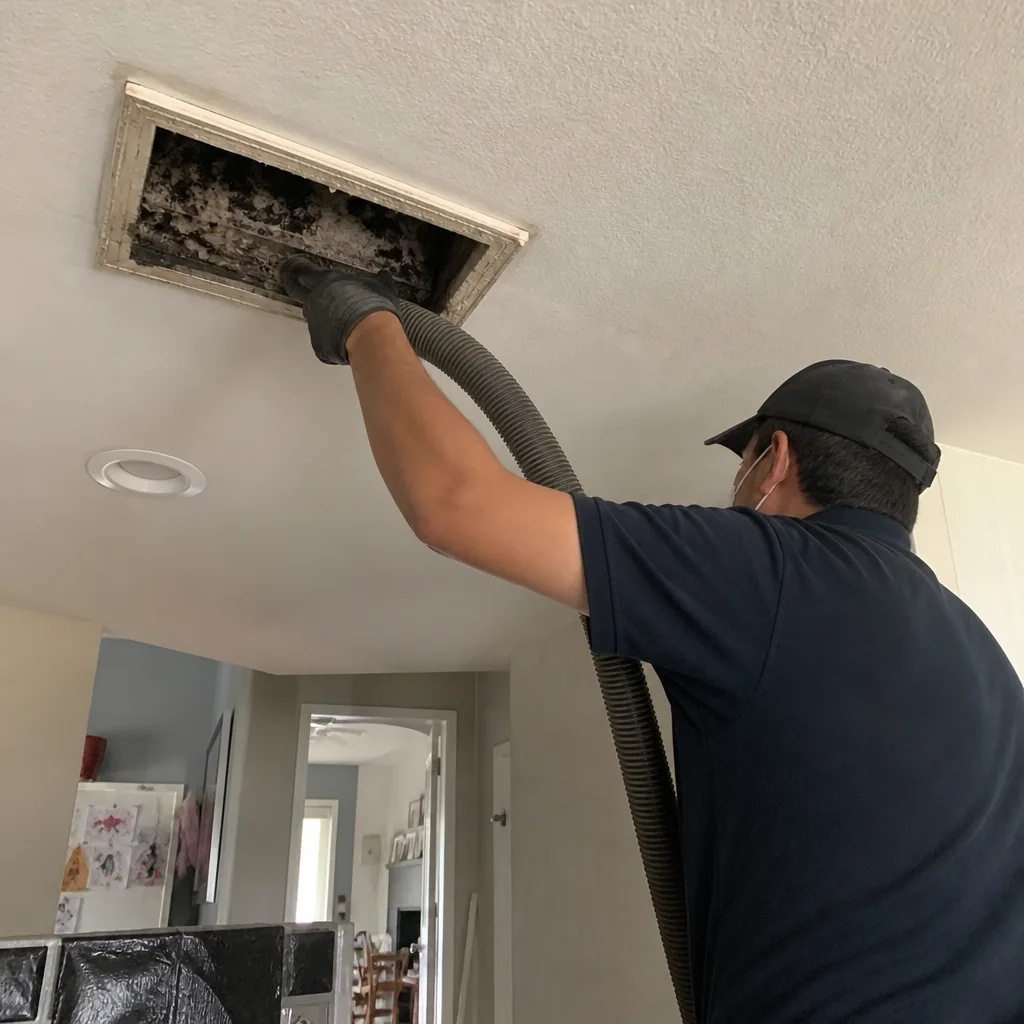 Before
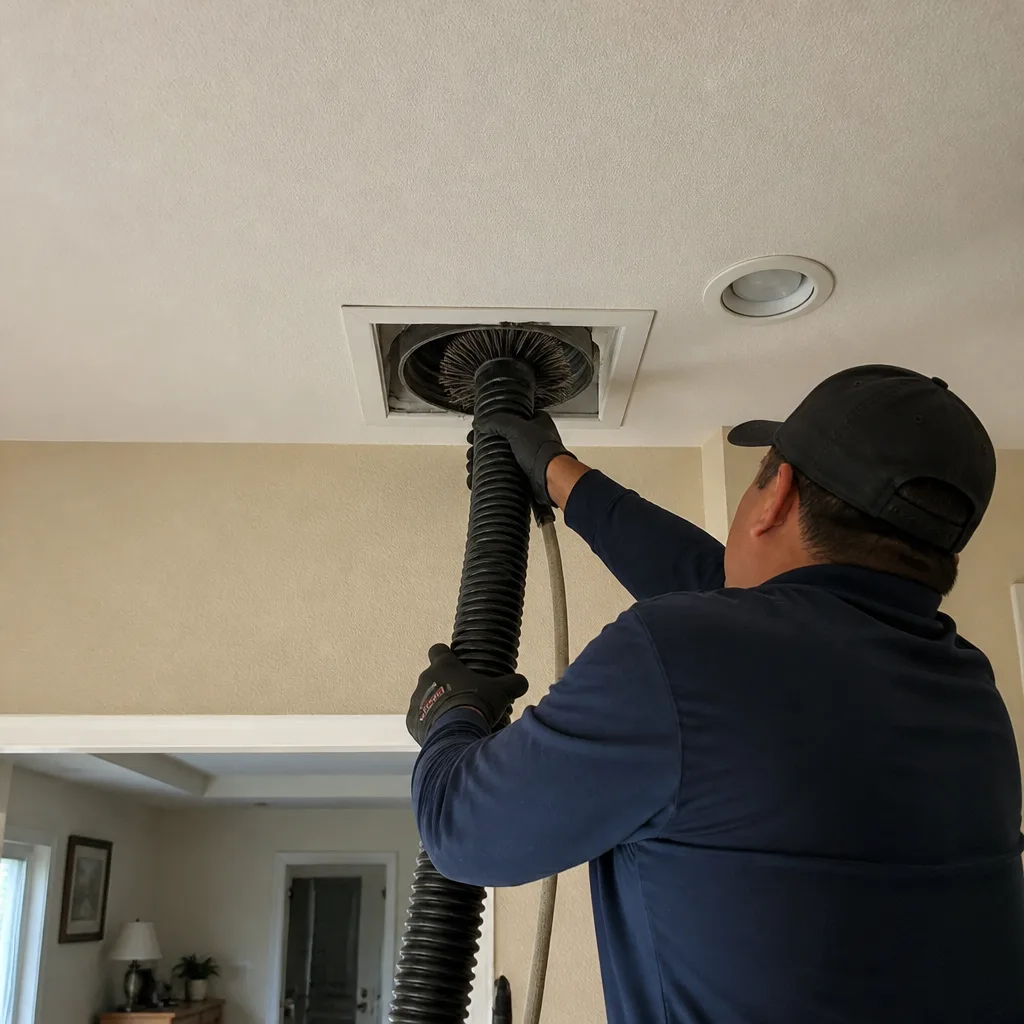 After
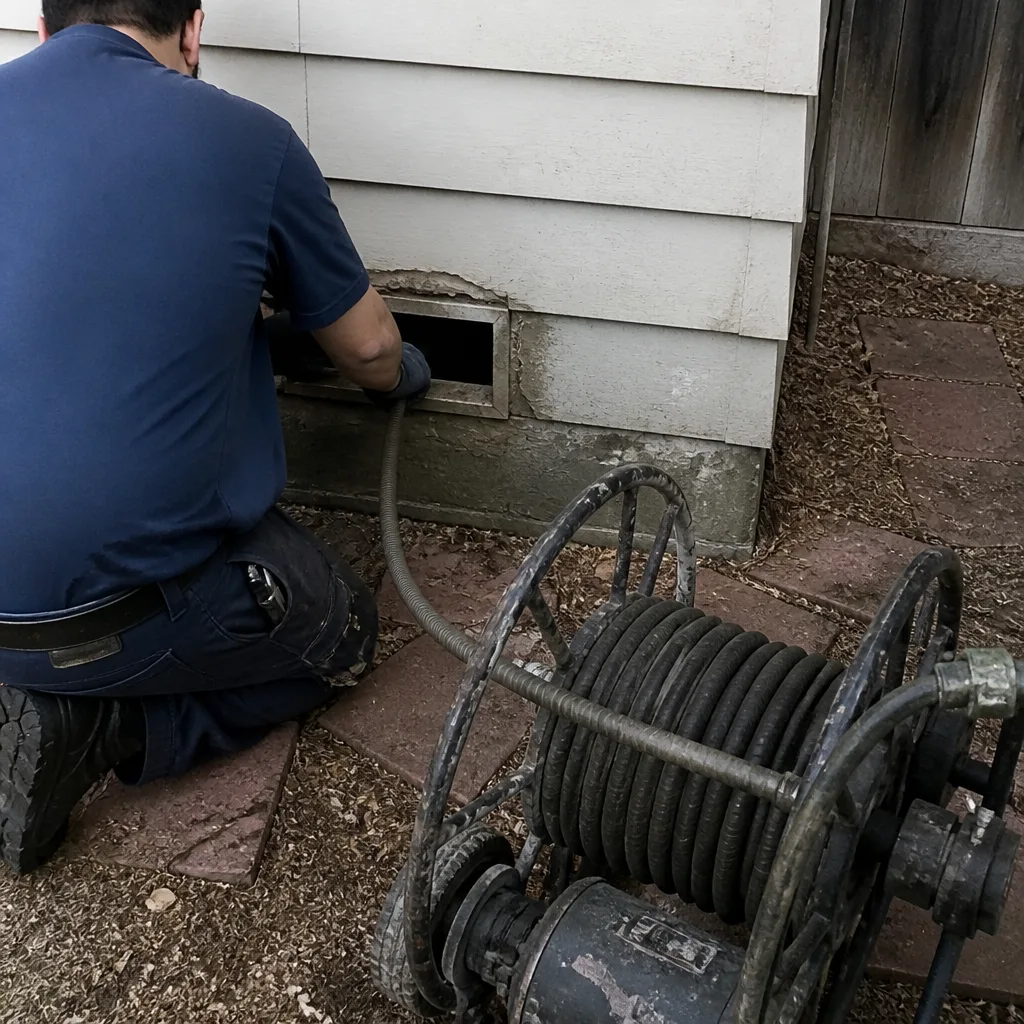 Before
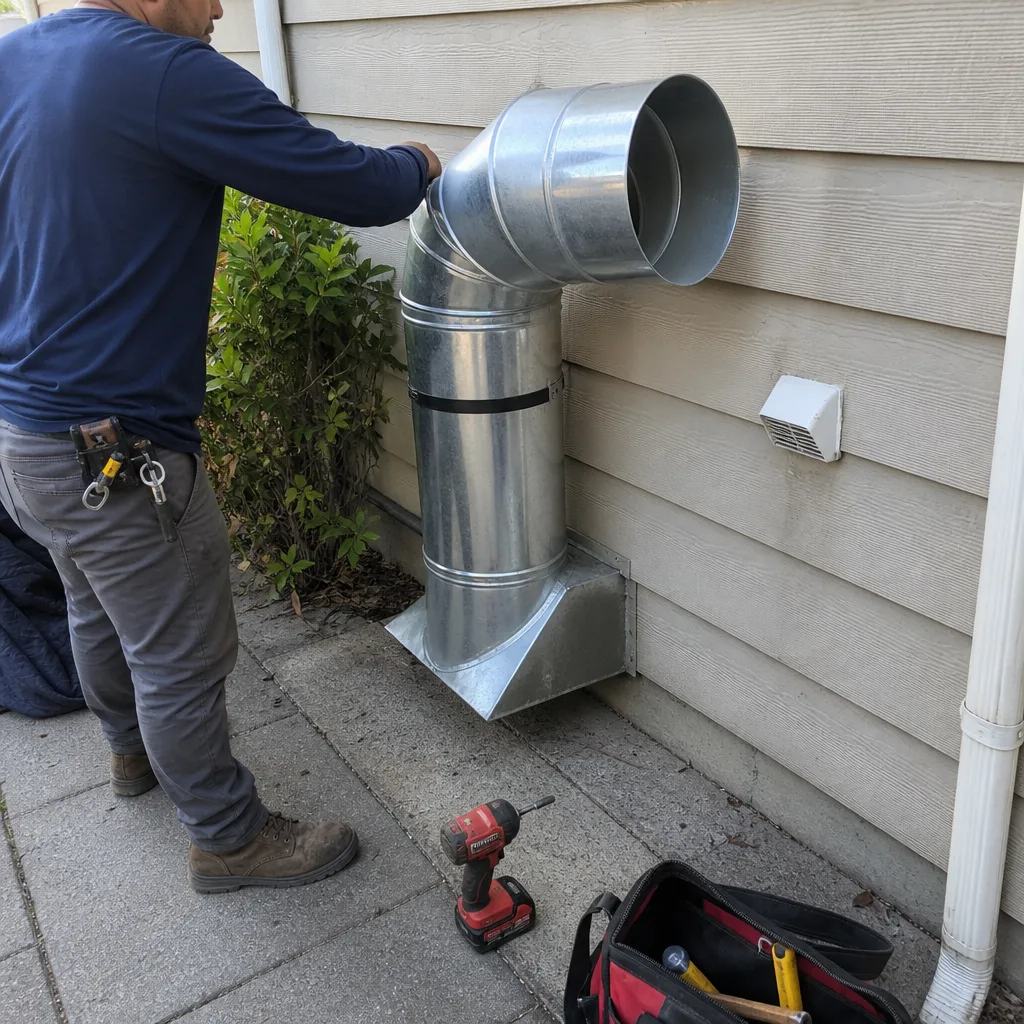 After
 Before
 After