
Last updated November 2, 2026
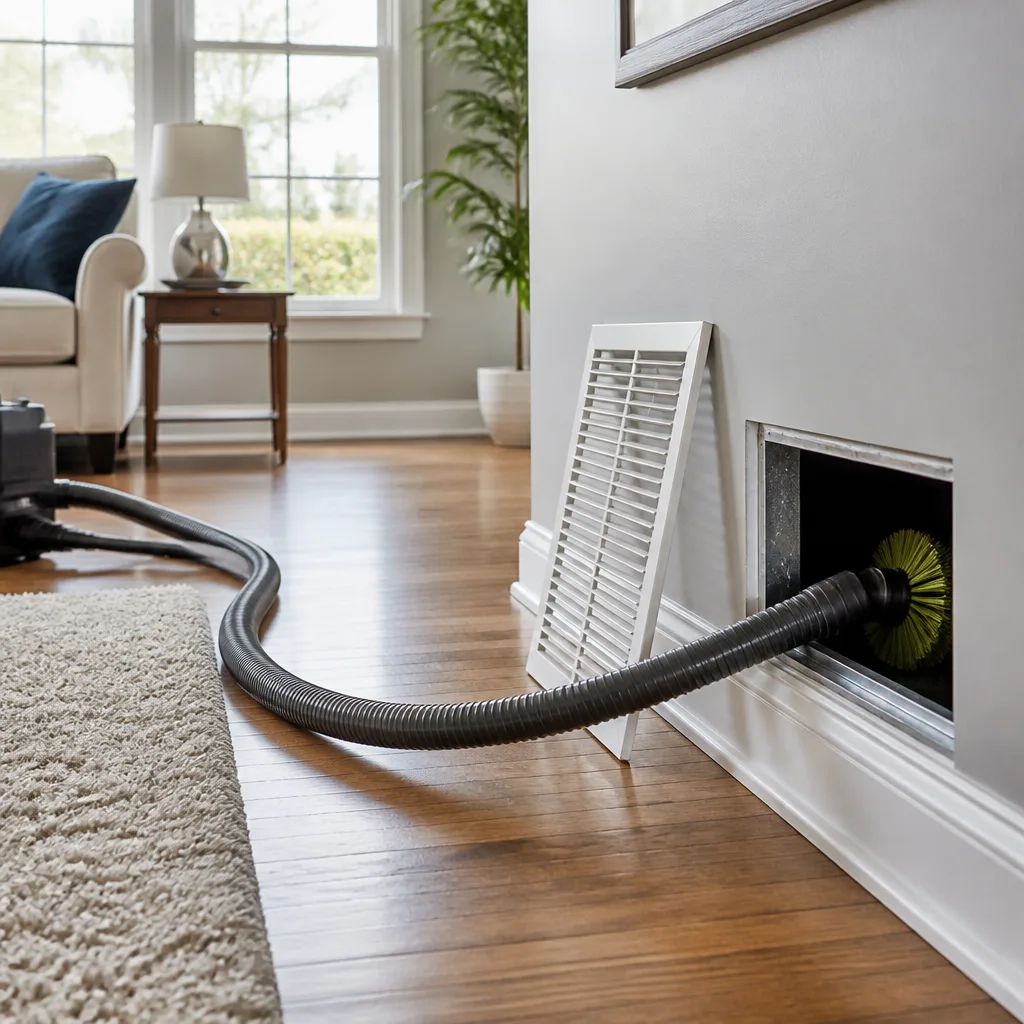 Whole-home duct cleaning
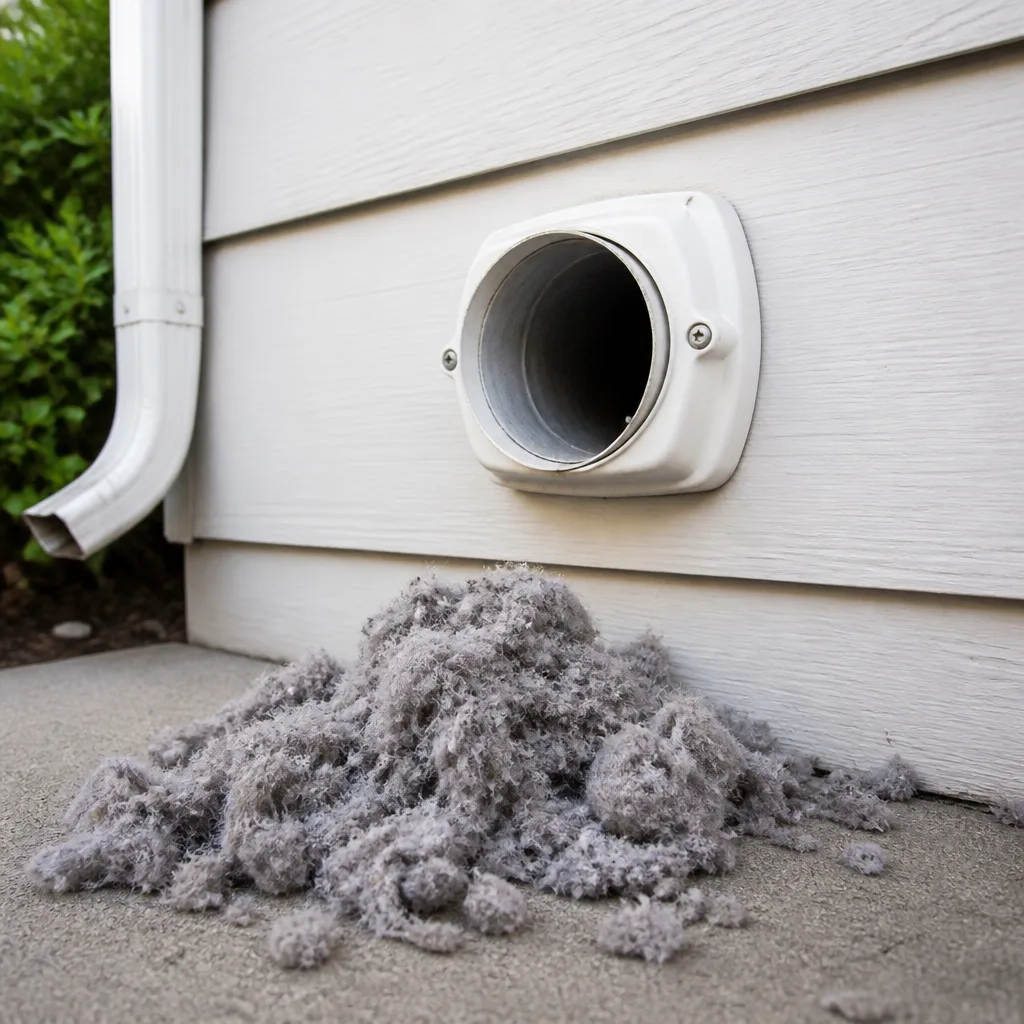 Dryer vent cleaning
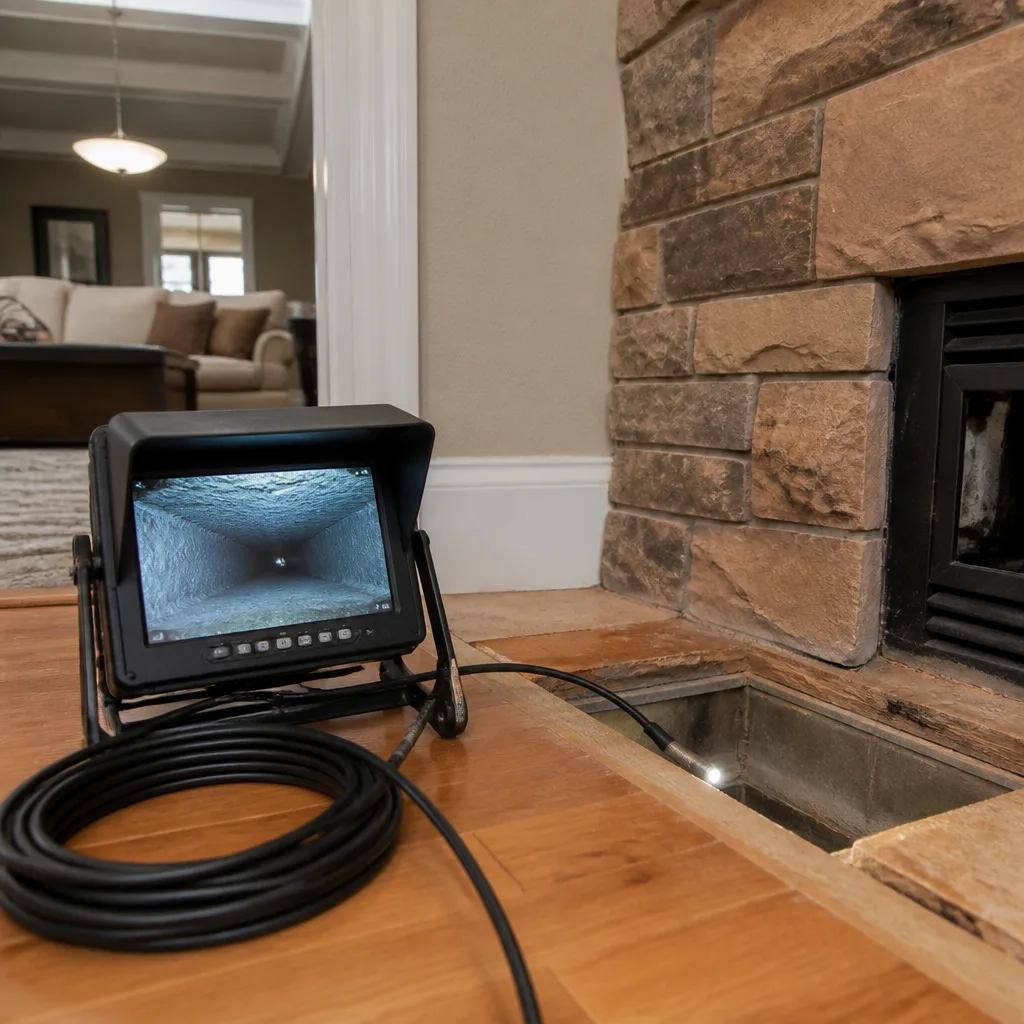 Camera inspection
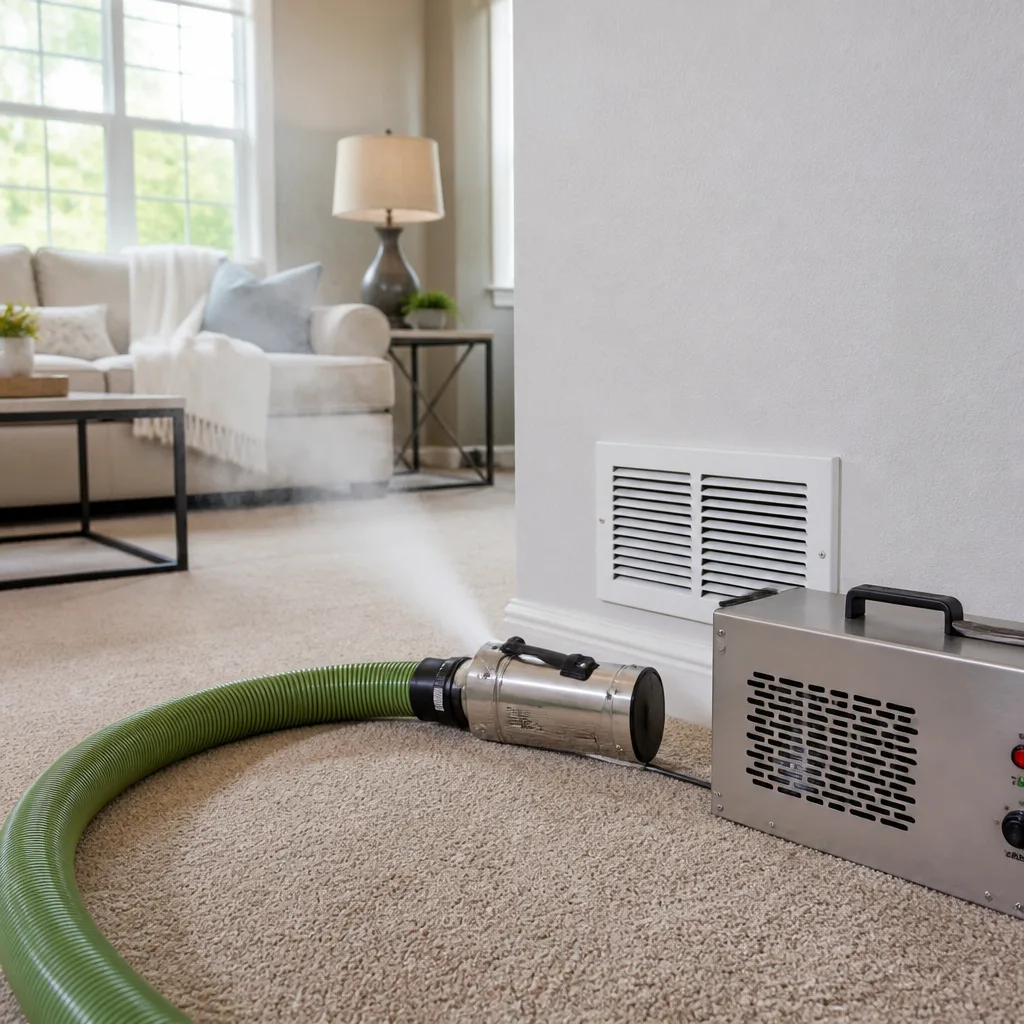 Sanitizing & deodorizing
Whole-system duct and dryer vent check with before-and-after photos - you see exactly what came out of your vents
That "$99 whole-house special" is a bait ad - the real number appears once they are in your hallway, or the "clean" is a shop-vac at the register. We photograph the inside of your ducts before and after instead.
DIY vs Professional Air Duct Cleaning: The Carmel Valley Homeowner’s Decision Guide
The most-watched DIY duct cleaning videos on YouTube show a shop vac being inserted into a register opening. That technique creates localized negative pressure of roughly 1 to 2 inches of water column. A Nikro negative air machine runs at 4 to 6 inches of water column across the entire system simultaneously. These are not the same thing, and the debris that doesn’t move under DIY conditions is the debris that matters. This guide explains what professional equipment actually does inside your Carmel Valley ductwork, which DIY tasks are genuinely worth doing, and where the line between saving money and wasting a Saturday actually sits.
Styles & brands we work with
- Whole-home duct cleaning
- Dryer vent cleaning
- Camera inspection
- Sanitizing & deodorizing
Quick Answer
DIY air duct cleaning is genuinely effective for a narrow set of tasks: dryer vent maintenance, register cover washing, and return grille vacuuming. Full-system negative air cleaning is not a DIY job because the equipment required to create system-wide negative pressure, dislodge adhered debris, and contain it safely costs more than multiple professional cleanings. For Carmel Valley homeowners, the practical answer is this: handle the light maintenance yourself, and call a professional for the full system every three to five years.
Table of Contents
- What Professional Equipment Actually Does
- The Physics of Negative Air Pressure: Why Your Shop Vac Falls Short
- DIY Tasks That Are Genuinely Effective and Safe
- What DIY Tools Actually Cost: The Honest Breakdown
- When DIY Makes the Problem Worse
- Carmel Valley Specific Factors: Climate, Dust, and Duct Wear
- The Breakeven Analysis: DIY vs Professional Over 10 Years
- Common Mistakes to Avoid
- When to Call a Professional
- Frequently Asked Questions
- The Bottom Line
What Professional Equipment Actually Does
Before deciding whether DIY is viable, you need to understand what the equipment is doing. A professional air duct cleaning in Carmel Valley typically involves two machines working together. The first is a negative air unit, like a Nikro, which seals to the duct system and pulls air through it at high volume. The second is a brush or agitation tool that physically breaks debris loose from duct walls. Without the negative air environment, that loosened debris has nowhere to go except back into your living space.
Rotobrush systems combine these functions differently. A rotating brush head spins at high speed inside the duct, scrubbing the walls while an integrated vacuum pulls the dislodged material out through the same port. This is commercial-grade equipment, the same category used in restoration and remediation work, not a consumer tool with a branded attachment. When we clean ducts in Carmel Valley homes, the difference between professional extraction and a shop vac is measurable in the amount of fine particulate that stays in the system versus what actually leaves it.
What the Equipment Is Doing That You Cannot See
- The negative air unit maintains constant suction across the entire duct run, not just at one register.
- Agitation tools reach 25 to 40 feet into branch lines from a single access point.
- HEPA filtration on the exhaust side captures particles down to 0.3 microns, which is the size range of the dust that triggers allergies and settles back onto surfaces.
- Access holes are cut professionally and sealed with proper caps, not left as gaps that leak conditioned air into attics or crawl spaces.
The comparison that matters for Carmel Valley homeowners is simple: a shop vac moves air through a two-inch hose. A Nikro negative air machine moves air through an eight to twelve inch duct connection. That is not a marginal difference. It is the difference between cleaning a drinking glass with a paper towel and running it through a dishwasher.
The Physics of Negative Air Pressure: Why Your Shop Vac Falls Short
Negative air pressure is not a marketing term. It describes a physical condition where air inside the duct system is at a lower pressure than the surrounding space, which means air rushes into the system from every opening rather than leaking out. For duct cleaning to work properly, the entire system needs to be under this condition simultaneously. That is what prevents dislodged dust from entering your living room instead of the collection bag.
A shop vac inserted into a single register creates localized low pressure right at that opening. The moment you move the hose, the pressure equalizes and whatever you just knocked loose settles back into the duct or drifts out through adjacent registers. In Carmel Valley homes, where forced air systems run heavily during summer months, settled dust layers are often dense and packed. That dust does not respond to marginal pressure differentials. It requires sustained, system-wide negative pressure to lift and carry it out.
The Problem with Partial Cleaning
- You agitate debris in one section of ductwork.
- The shop vac captures the heaviest visible material near the register.
- Lighter particulates become airborne and ride air currents deeper into the system.
- Within days, those particulates settle in a different section, often farther from any register.
- The net result is a system with debris redistributed, not removed.
We have seen this pattern in Carmel Valley homes where homeowners spent a full weekend on DIY duct cleaning and called us months later because dust levels on furniture actually increased. The debris did not disappear. It moved to places that were harder to reach.
DIY Tasks That Are Genuinely Effective and Safe
This guide is not anti-DIY. There are real, measurable maintenance tasks every Carmel Valley homeowner should be doing between professional cleanings. These tasks address accessible components and prevent problems before they compound.
Dryer Vent Cleaning with a Rotary Brush Kit
A rotary brush kit for dryer vents costs $30 to $60 at most hardware stores. It consists of flexible rods and a brush head that attaches to a drill. Running this through your dryer vent once or twice a year removes the lint that builds up inside the vent pipe, which is the material responsible for the majority of dryer-related house fires according to NFPA data. This is genuinely effective DIY because dryer vents are straight or gently curved runs, accessible from both ends, and the debris is loose rather than adhered. A dedicated dryer vent cleaning in Carmel Valley service goes deeper, but a homeowner can do meaningful prevention with a basic kit.
Register Cover Washing
Remove every register cover in the house, wash them in warm soapy water, let them dry completely, and reinstall. This takes 30 minutes and prevents the visible grime buildup that many people mistake for dirty ducts. In Carmel Valley, where dust from the surrounding hills works its way indoors, register covers accumulate a film quickly. Clean covers improve airflow slightly and make the whole system look maintained.
Return Grille and Filter Maintenance
The return grille is the large vent where air enters the system. Vacuum it thoroughly, then check the filter. If you run a basic one-inch filter, replace it every 60 to 90 days during heavy-use months. If you have a premium filtration setup from brands like Honeywell or Aprilaire, follow the manufacturer’s replacement schedule, which is typically six to twelve months depending on the media type. A clogged filter makes your blower work harder and sends more dust into the duct system before it even reaches the filter.
Accessible Duct Runs You Can See
If you have exposed ductwork in a garage, basement, or utility closet, you can wipe down the exterior and check for obvious gaps or separated joints. This is inspection, not cleaning, but catching a disconnected duct early prevents conditioned air from dumping into unconditioned space. In Carmel Valley, where summer cooling costs matter, a separated duct in an attic can waste hundreds of dollars over a season.
What DIY Tools Actually Cost: The Honest Breakdown
The honest question is whether buying or renting the equipment to approximate professional cleaning makes financial sense. Here is the honest math for a Carmel Valley homeowner attempting a full-system cleaning.
Equipment Required to Approximate Professional Cleaning
- Negative air machine rental: $150 to $300 per day from equipment rental houses, if you can find one that rents to homeowners. Most do not, because of liability and training concerns.
- Rotary brush system for ductwork: $400 to $800 for a consumer-grade unit capable of reaching 25 feet. Professional units cost $3,000 and up.
- HEPA-filtered shop vac: $300 to $600. A standard shop vac without HEPA filtration sends the finest dust right back into the room through the exhaust port.
- Inspection camera: $100 to $300 for a basic boroscope to see what you are actually cleaning.
- Access tools, sealing caps, protective gear: $100 to $200 for proper ductboard or sheet metal access caps, gloves, goggles, and a respirator rated for particulate.
Total honest cost: $1,050 to $2,200 for homeowner-grade equipment that still will not match what a Nikro or Rotobrush system does. A professional air duct cleaning in Carmel Valley costs a fraction of that and includes trained operators who know where to cut access holes and how to seal them properly. The DIY economics only work if you plan to clean your ducts multiple times, which you should not need to do if the cleaning is done right the first time.
Skill Requirements That Are Not Obvious
- Knowing where duct access points should be located for proper reach.
- Understanding how to seal access holes so they do not leak air into attics or crawl spaces.
- Identifying flex duct versus rigid duct and adjusting agitation accordingly. Flex liner tears easily under aggressive brushing.
- Recognizing mold, rodent activity, or other contamination that changes the cleaning approach entirely.
- Operating a negative air machine correctly so the home does not fill with dislodged particulates.
These are not insurmountable skills. They are skills acquired through training and repetition. A homeowner attempting this for the first time on a Saturday is essentially practicing on their own home, and mistakes in ductwork are expensive to fix.
When DIY Makes the Problem Worse
There are specific scenarios where a DIY attempt creates a more expensive problem than the one it was meant to solve. We have seen all of these in Carmel Valley homes, and each one made the eventual professional cleaning harder and more costly.
Compressed Debris in Flex Duct
Flex duct is a flexible plastic liner wrapped around a wire coil. When you push a shop vac hose or a brush into flex duct without understanding the direction of the turns, you can compress loose debris against the liner walls instead of extracting it. That compressed debris hardens over time and requires aggressive agitation to remove, which increases the risk of liner damage. What started as routine dust buildup becomes an adhered layer that a standard cleaning pass struggles with.
Damaged Liner from Improper Tool Insertion
Flex duct liner tears when a rigid tool catches a bend or a wire coil. A torn liner leaks conditioned air into unconditioned space, which means you are paying to cool or heat your attic or crawl space. The fix is air duct repair in Carmel Valley, which is typically more expensive than the cleaning would have been. The irony is that a homeowner trying to save a few hundred dollars on cleaning creates a repair bill that exceeds what the cleaning cost in the first place.
Disturbed Mold Without Containment
If your ducts have any moisture intrusion, which happens in Carmel Valley homes where ocean air meets inland heat and creates condensation in unconditioned spaces, mold can develop. Disturbing mold without proper containment spreads spores throughout the home. Professional remediation-grade equipment, including Abatement Technologies air filtration systems, creates negative pressure environments that keep spores contained during cleaning. A shop vac does the opposite: it aerosolizes the spores and exhausts them into the breathing space. If you suspect mold in your ductwork, do not touch it. Call for assessment first.
Disconnected Duct Sections
Pushing tools through ductwork can disconnect sections that were loosely joined. In older Carmel Valley homes, duct joints are often held together with aging tape that has lost its adhesion. A DIY pass that catches a poorly connected joint can separate it entirely, leaving a section of your system blowing conditioned air into the attic. A professional cleaning includes inspection that catches these issues before they become failures, and a full-scope company can repair them on the spot rather than walking away and leaving you to find another contractor.
Carmel Valley Specific Factors: Climate, Dust, and Duct Wear
Carmel Valley sits inland enough to experience hot summers while close enough to the coast to pick up marine layer humidity. That combination creates a specific set of conditions for duct systems that homeowners in other regions do not face.
The Dust Profile
Carmel Valley gets dust from multiple sources. The surrounding chaparral and open hills generate fine particulate that rides the afternoon breezes. Construction activity in the broader San Diego region adds a layer of fine gypsum and concrete dust. Pet dander, pollen from the valley’s mature landscaping, and the normal shedding of skin cells and textile fibers round out the mix. This dust is fine, which means it stays suspended in the air longer and settles deeper into duct systems. Coarse dust falls out near registers. Fine dust travels until it hits a turn or a filter.
The Humidity Factor
Marine layer mornings followed by hot afternoons create temperature swings inside ductwork, especially in unconditioned attics and crawl spaces. Moisture condenses on the inside of cool ducts when warm, moist air hits them. That moisture makes settled dust sticky and more likely to adhere rather than blow through. Once dust adheres, it requires agitation to remove, not just airflow. This is why the physics of negative pressure matters more in Carmel Valley than in drier inland markets: the debris is harder to move.
System Wear Patterns
Forced air systems in Carmel Valley run heavily from June through October. The constant expansion and contraction of duct materials, combined with the vibration of air moving through them, loosens joints and seals over time. A professional cleaning includes an inspection pass that identifies these wear points before they become failures. DIY cleaning typically does not, because the homeowner is focused on the visible dust, not the structural integrity of the system.
The Breakeven Analysis: DIY vs Professional Over 10 Years
The economic case for professional cleaning becomes clear when you look at a ten-year horizon. Here is the honest comparison for a typical Carmel Valley home with a standard forced air system.
Professional Cleaning Path
Professional cleaning every three to five years, which is the recommended frequency for Carmel Valley conditions given the dust and humidity profile. That means two to three cleanings over a decade. Each cleaning includes inspection and identifies developing problems before they become repair bills. The homeowner handles filter replacement and register washing between visits, which are the genuinely effective DIY tasks.
DIY Attempt Path
A homeowner decides to clean their own ducts. They spend $200 on a consumer-grade brush kit and a HEPA shop vac upgrade. They spend two weekends on the first attempt, get partial results, and redistribute debris deeper into the system. Within a year, they notice dust levels are worse than before. They either repeat the attempt or call a professional. If they repeat, they have now spent four weekends and still have not achieved a full-system clean. If a flex duct tear or a disconnected section occurs during the attempt, the repair bill exceeds what a professional cleaning would have cost in the first place.
The Real Numbers
- Professional cleaning: Two to three visits over ten years, predictable cost, inspection included, repairs caught early.
- DIY with no mishaps: $200 to $500 in equipment, two to three weekends per attempt, partial results each time, no inspection capability.
- DIY with a mishap: Equipment cost plus a repair bill for torn flex duct or a disconnected section, plus the professional cleaning that should have been done originally.
The breakeven point is not close. Professional cleaning wins on cost over ten years for anyone who values their weekends and wants the job done correctly. The only scenario where DIY wins is if the homeowner already owns the equipment, already knows how to use it safely, and only needs to address a short, straight, accessible duct run. That describes almost no residential systems in Carmel Valley.
Common Mistakes to Avoid
- Using a shop vac without HEPA filtration. A standard shop vac exhausts fine particulates right back into the room at high velocity. You are not removing dust; you are aerosolizing it. In a closed Carmel Valley home, this makes indoor air quality worse, not better.
- Pushing tools blindly into flex duct. Flex duct liner tears when a rigid tool catches a bend or a coil. The repair costs more than a professional cleaning. Slow down, use a camera if you have one, and never force a tool past resistance.
- Cutting access holes without a sealing plan. An unsealed access hole leaks conditioned air into unconditioned space. Proper sealing caps and mastic are needed, not duct tape, which fails within a season in Carmel Valley’s temperature swings.
- Attempting mold remediation without containment. Disturbed mold without negative pressure containment spreads spores through the living space. If you see visible mold in ductwork, stop and call for assessment. This is a health decision, not a cost decision.
- Neglecting the dryer vent while focusing on supply ducts. The dryer vent is the component that actually represents a fire hazard. A $40 rotary brush kit used twice a year on your dryer vent is more valuable than any DIY attempt at supply duct cleaning.
- Assuming visible register dust means dirty ducts. Dusty register covers are normal and washable. Dusty ducts are a different thing entirely. Clean the covers first, wait a month, and see if dust returns before assuming the whole system needs attention.
- Skipping the filter replacement schedule. A clogged filter forces the blower to work harder and sends more dust into the system before it even reaches the filter. This is the cheapest maintenance item with the biggest return for Carmel Valley homeowners.
When to Call a Professional
Call a professional when you see visible mold growth in or around registers, when you have completed a renovation that generated significant dust, when you have had a rodent or pest issue in the ductwork, or when members of your household have unexplained allergy symptoms that improve when they leave the home. These are conditions where the stakes are higher than routine cleaning. Maple Air Duct offers free estimates in Carmel Valley, and our scope covers cleaning, dryer vents, and air duct repair in Carmel Valley, which means if we find damage during inspection, we can address it on the same visit. Call (855) 338-0352 to schedule an assessment.
Frequently Asked Questions
Professional air duct cleaning in Carmel Valley typically costs between $350 and $800 for a full system, depending on the size of the home, the number of vents, and the level of contamination. The price is a flat rate per system agreed before work starts, not a per-vent fee that escalates once the technician arrives. Call (855) 338-0352 for an exact quote for your home.
A shop vac cannot create the system-wide negative pressure needed to extract dislodged debris without redistributing it through your living space. The physics does not change based on how careful you are. The tasks you can do effectively are filter replacement, register washing, and dryer vent cleaning with a rotary brush kit.
Every three to five years is the right interval for most Carmel Valley homes. The valley’s fine dust, marine layer humidity, and heavy summer cooling load mean debris adheres faster than in drier inland areas. Homes with pets, recent renovations, or residents with allergies may need more frequent service.
Rotobrush combines a spinning brush with integrated vacuum in a single unit, which works well for residential systems with moderate contamination. Nikro negative air machines create system-wide negative pressure and are typically paired with separate agitation tools, which is the setup used in commercial and remediation environments. Both are professional-grade. Neither is available at a rental counter.
Low-ball quotes in the duct cleaning industry often use per-vent pricing that escalates once the technician is in the home, or they use underpowered equipment that cannot actually remove adhered debris. A flat rate per system agreed before work starts is the honest way to price this service, and it is how Maple Air Duct operates in Carmel Valley.
Ask for before-and-after photos of your actual ducts, not stock images. Ask what equipment they use and why. Ask whether they inspect for damage and whether they repair what they find. A company that shows you photos of your own ductwork and can explain the process in specifics is operating honestly. Call (855) 338-0352 and we will show you exactly what your system looks like before and after.
The Bottom Line
DIY duct cleaning has a place, and that place is narrow. A rotary brush kit for your dryer vent, regular filter replacements, and register washing are genuinely effective maintenance tasks every Carmel Valley homeowner should handle. Full-system duct cleaning is different. The equipment that does the job properly is expensive, the physics of negative air pressure cannot be approximated with a shop vac, and mistakes in flex duct or mold disturbance cost more than a professional cleaning ever would. Call (855) 338-0352 for a free estimate from Maple Air Duct home, and let us show you what your system actually needs.
Written by the team at Maple Air Duct, serving Carmel Valley since 2017.
See the difference
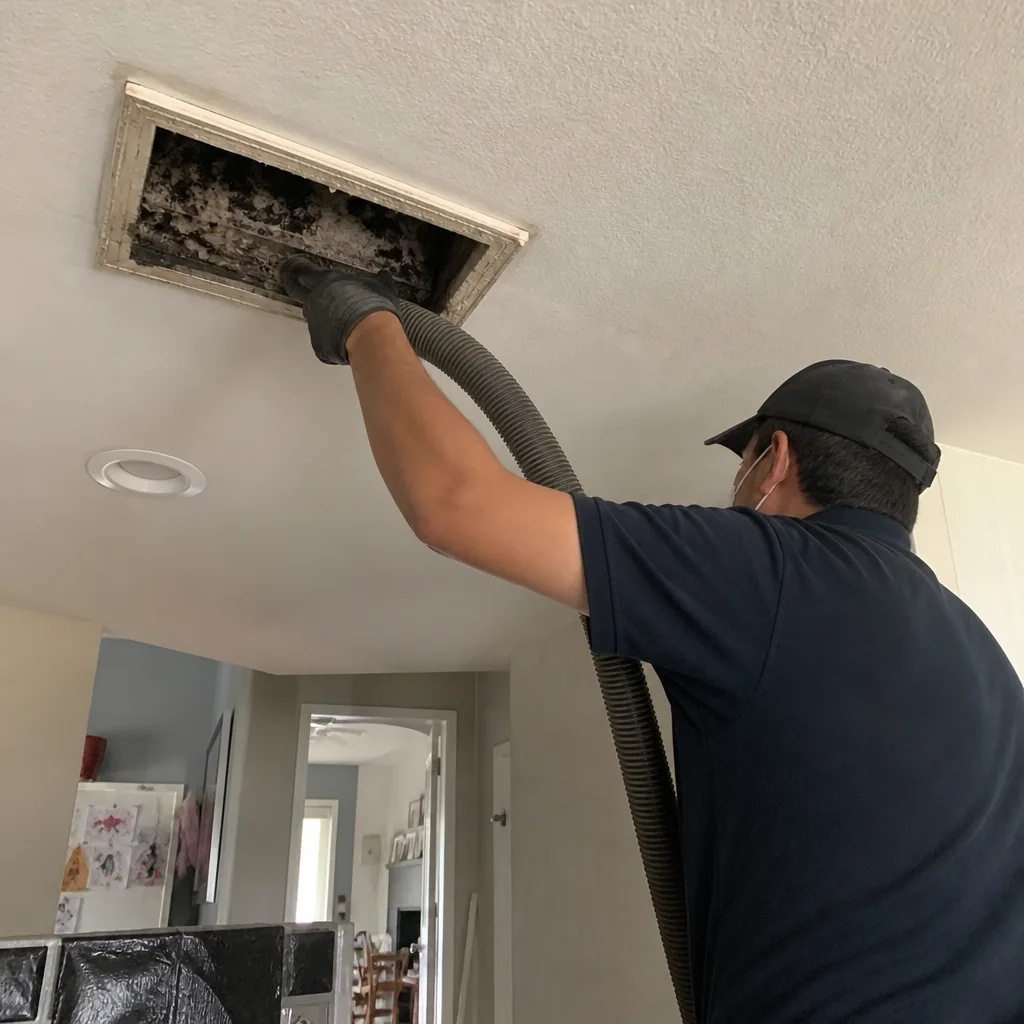 Before
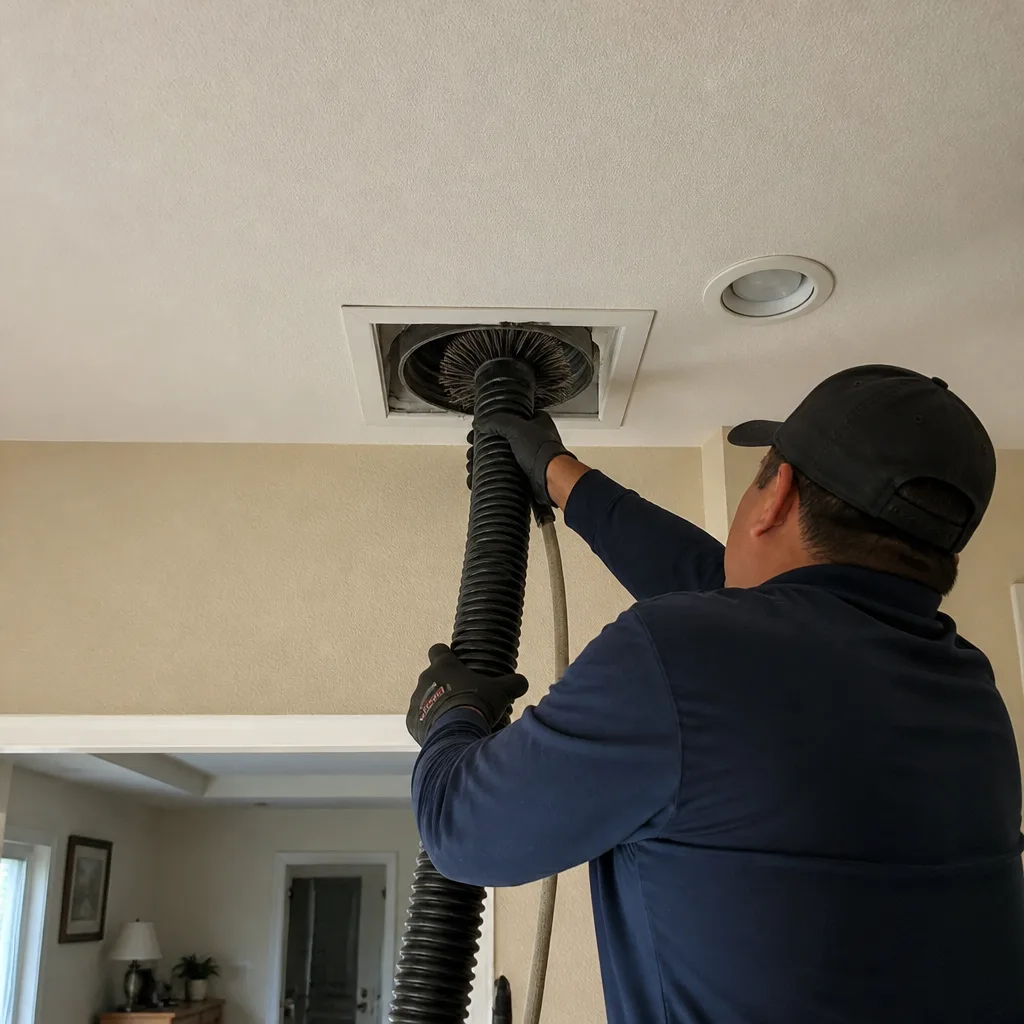 After
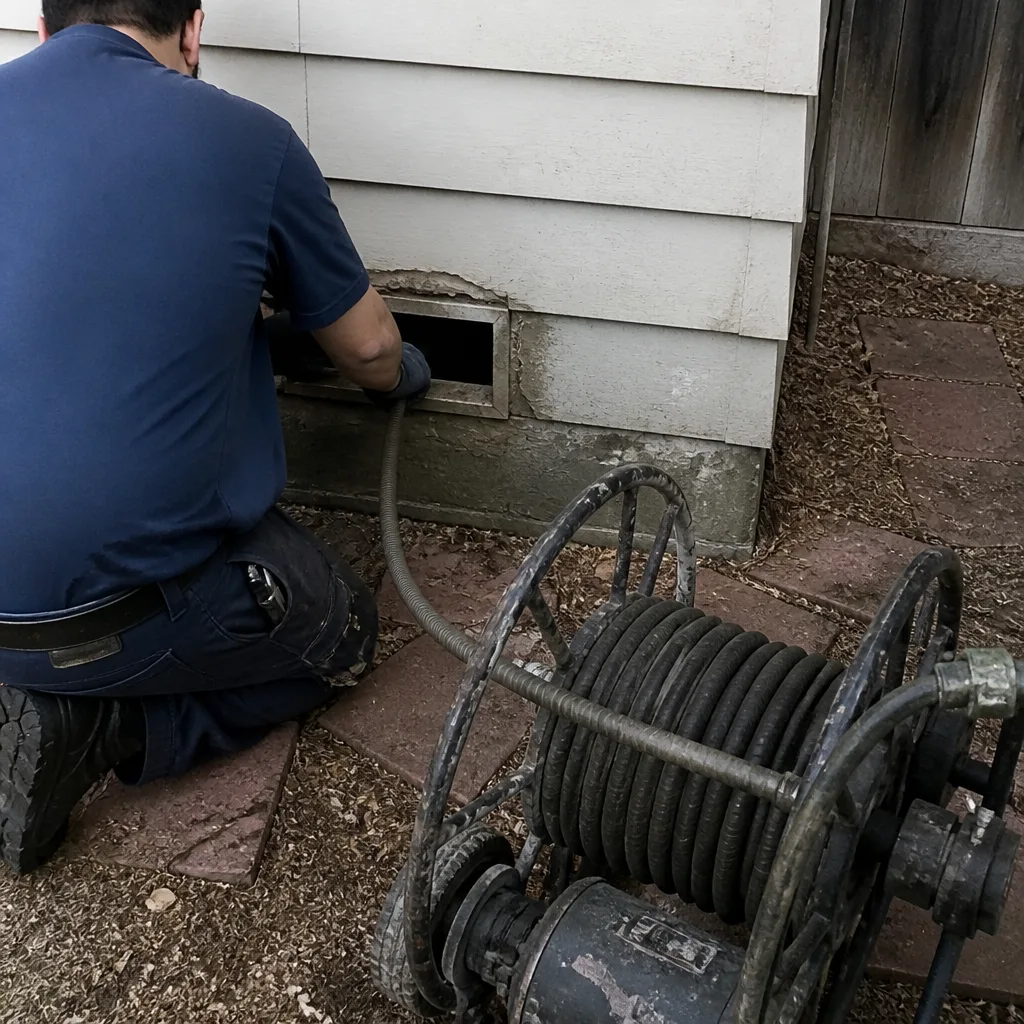 Before
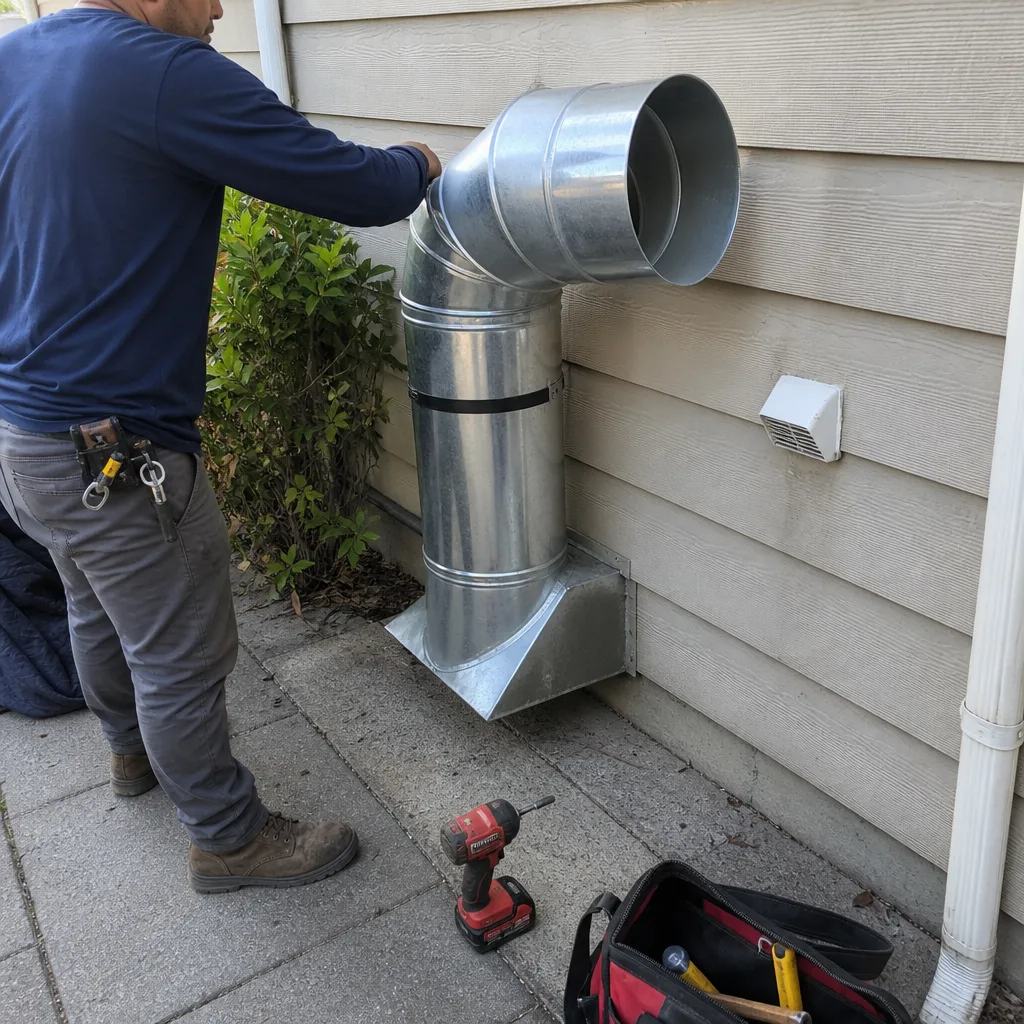 After
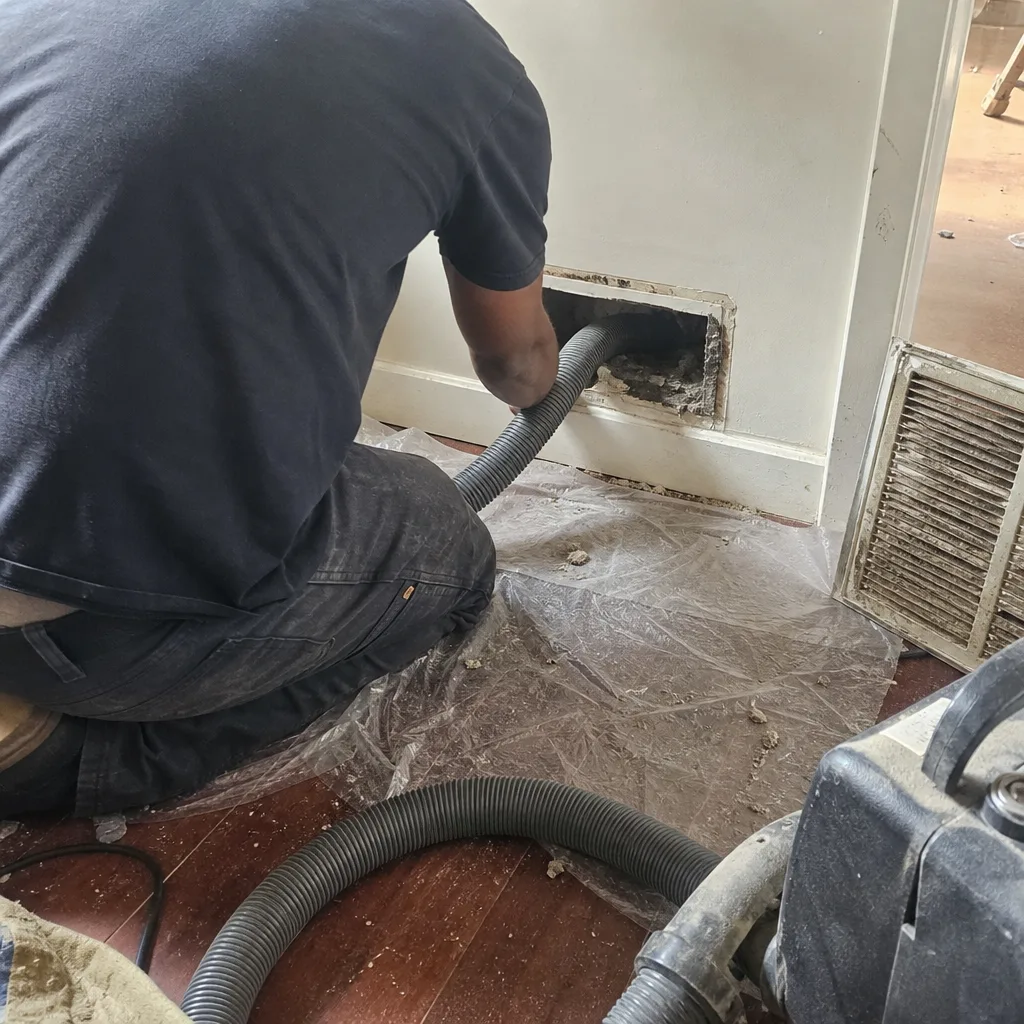 Before
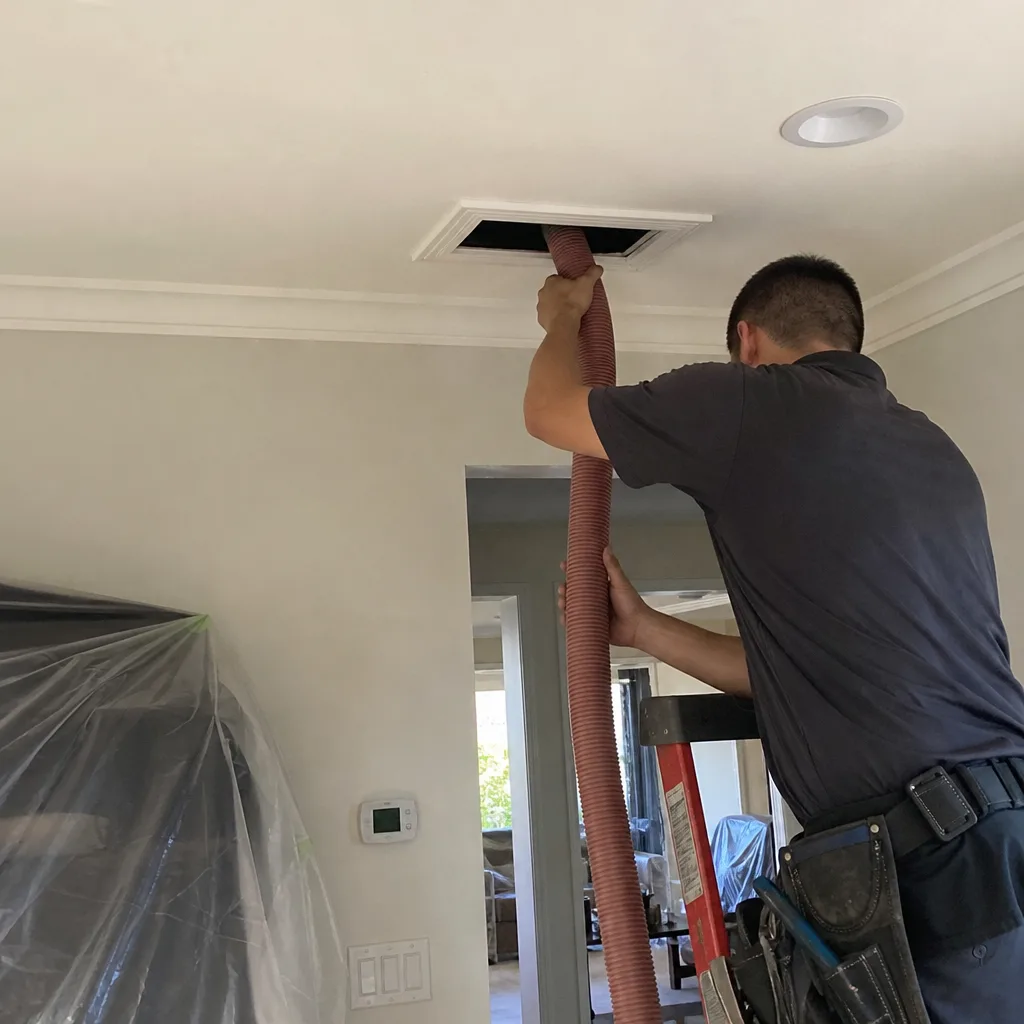 After